

Alcohol and Diabetes: Safe Drinking Guidelines and Hypoglycemia Risks
 Jan, 31 2026
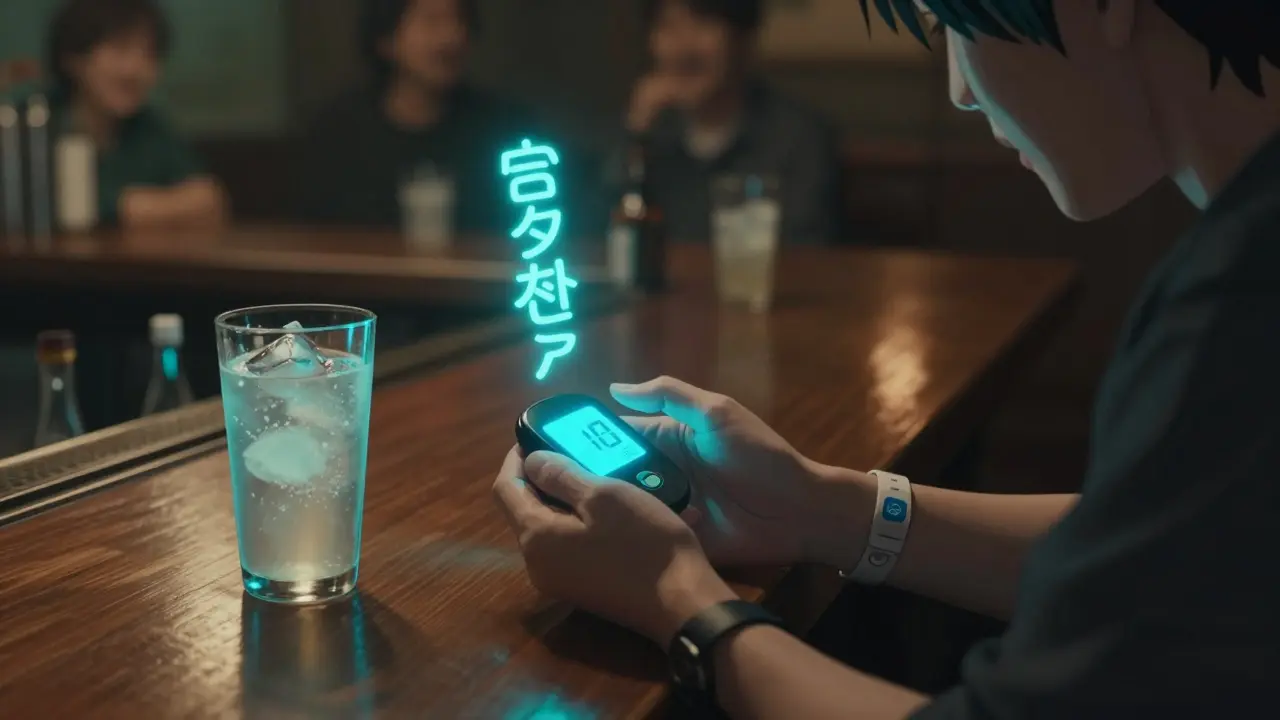
Drinking alcohol with diabetes isn’t just about counting carbs-it’s about survival. Every sip affects how your liver releases glucose, how your medications work, and whether you wake up in a hypoglycemic emergency. For people with diabetes, especially type 1, alcohol can turn a night out into a medical crisis if you don’t know the rules. The good news? You don’t have to quit. But you must change how you drink.
How Alcohol Messes With Your Blood Sugar
Alcohol doesn’t just make you feel relaxed-it shuts down your body’s safety net for low blood sugar. When you drink, your liver prioritizes breaking down alcohol instead of releasing glucose. That’s dangerous because your body relies on that glucose release to keep your levels steady, especially overnight or after exercise.
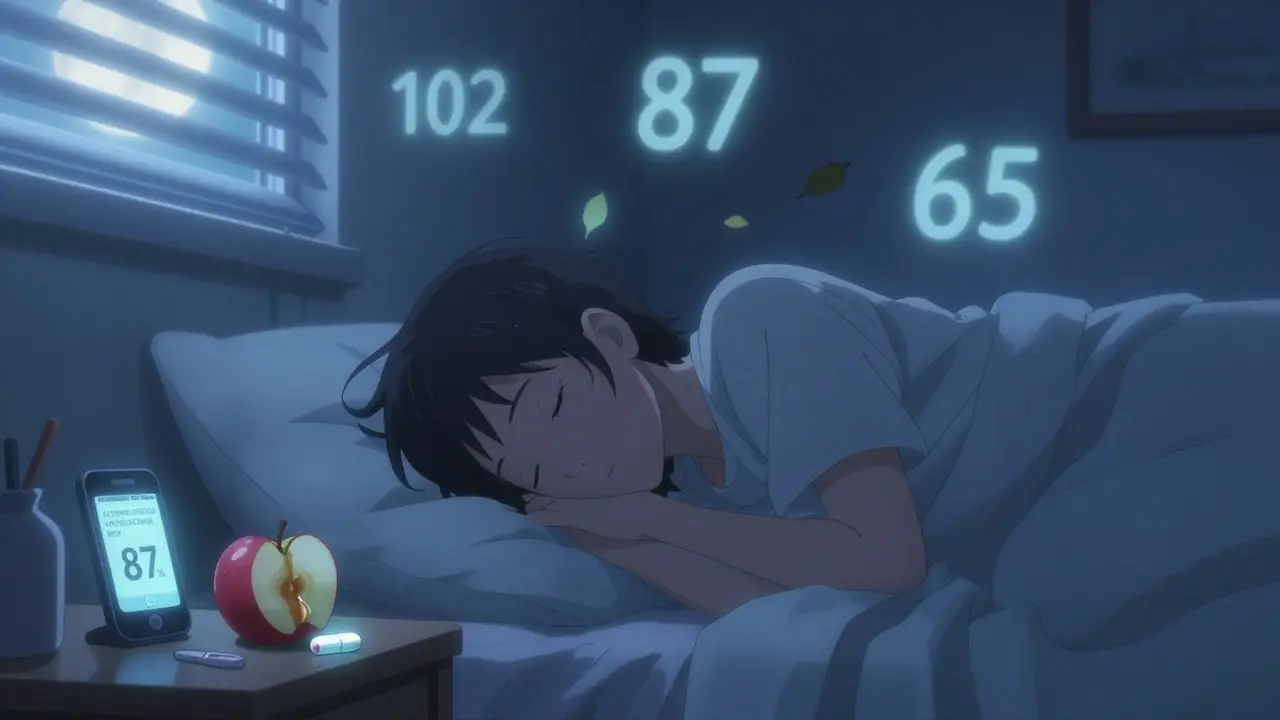
Here’s what happens in two phases: First, drinks with sugar-like sweet wines, cocktails, or regular beer-cause a quick spike in blood sugar. Then, as your liver gets busy processing the alcohol, it stops making glucose. That’s when your blood sugar starts dropping, sometimes hours later. This drop can last up to 12 hours. That means you could drink at dinner, feel fine, go to bed, and wake up with a dangerously low blood sugar level while you’re asleep.
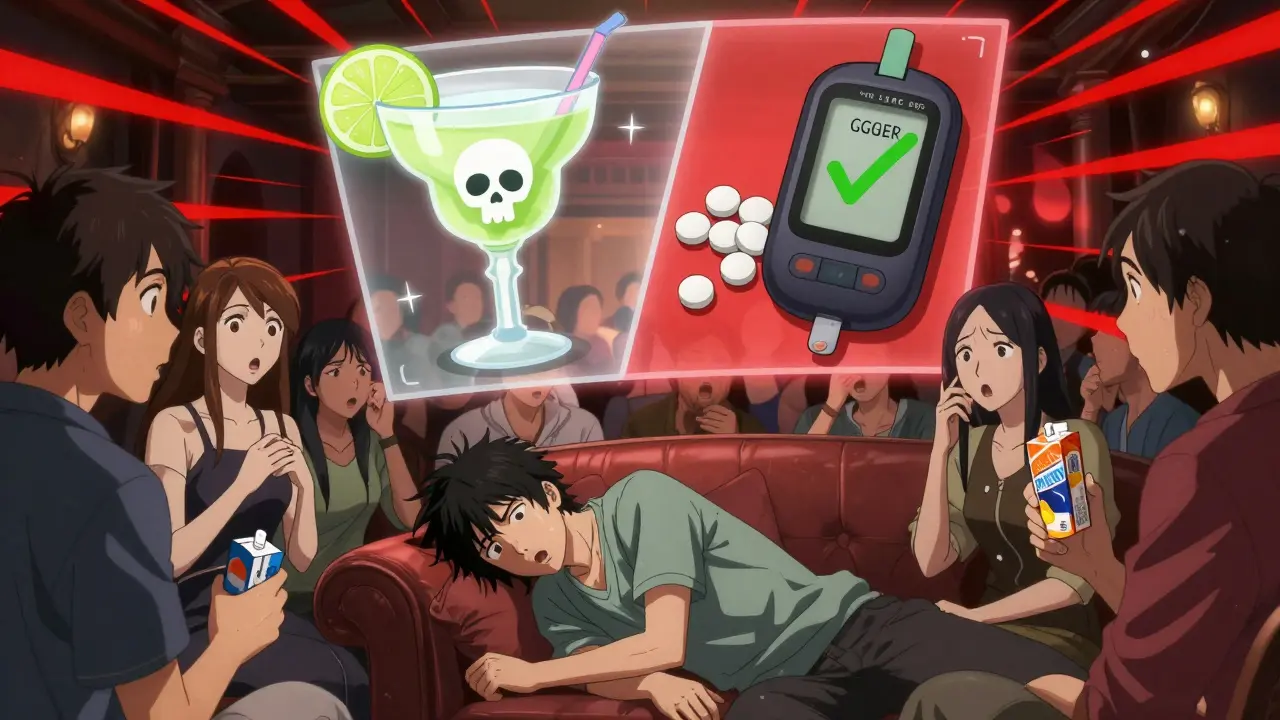
And here’s the scary part: the symptoms of low blood sugar-dizziness, confusion, sweating, shakiness-look exactly like being drunk. If you pass out after drinking, someone might assume you’re just intoxicated. They won’t know you need glucose, not more alcohol.
What Counts as One Drink?
Not all drinks are equal. A standard drink is defined the same way by the American Diabetes Association, Diabetes UK, and WebMD:
- 12 ounces (360 mL) of regular beer (5% alcohol)
- 5 ounces (150 mL) of wine (12% alcohol)
- 1.5 ounces (45 mL) of hard liquor like vodka, whiskey, or gin (40% alcohol)
That’s it. No more than one per day for women, two for men. Some guidelines suggest no more than 14 units per week, spread over at least three days, with alcohol-free days in between. This isn’t a suggestion-it’s a safety line.
And don’t be fooled by marketing. So-called “diabetic” beers or ciders aren’t safer. They often have higher alcohol content (2-3% more) to compensate for less sugar, which means a higher risk of hypoglycemia. Skip them.
Best and Worst Drinks for Diabetes
Some drinks are far safer than others. Here’s what works and what doesn’t:
| Safe Choices | Risky Choices |
|---|---|
| Dry red or white wine (0-4g carbs per 5 oz) | Sweet wines, dessert wines (15-30g carbs) |
| Light beer (under 10g carbs per 12 oz) | Craft beers, malt liquors (20-40g carbs) |
| Hard seltzers (0-4g carbs) | Margaritas, piña coladas, cocktails with soda or juice |
| Spirits with sugar-free mixers (club soda, diet tonic) | Regular soda, tonic water, fruit juice mixers |
A single margarita can pack 25 grams of sugar-that’s more than a candy bar. And if you’re on insulin or sulfonylureas, that sugar spike is followed by a crash you won’t see coming.
When to Avoid Alcohol Completely
Some people with diabetes shouldn’t drink at all. If you have:
- Diabetic neuropathy (nerve damage)-alcohol makes it worse
- Pancreatitis-alcohol increases risk by 3 times
- Advanced liver disease-your liver can’t handle it
- Pregnancy-no amount is safe
Also, if your blood sugar is below 100 mg/dL or above 300 mg/dL, don’t drink. That’s not a suggestion-it’s a hard stop. Drinking when your blood sugar is already low means you’re playing Russian roulette with your brain and heart.
How to Drink Safely: The 5-Step Protocol
There’s a proven sequence that reduces hypoglycemia risk by 80%. Follow it every time:
- Check your blood sugar before you drink. Aim for 100-140 mg/dL. If you’re below 100, eat 15-30g of carbs first.
- Always drink with food. Not snacks. Not appetizers. A full meal with at least 15g of carbohydrates. This slows alcohol absorption and gives your liver something to work with.
- Use only sugar-free mixers. Club soda, diet tonic, or plain water. No regular soda, juice, or syrup. Even one splash of regular tonic adds 15g of sugar.
- Drink slowly and monitor. Check your blood sugar every two hours while drinking. Don’t skip this. Your body doesn’t stop processing alcohol just because you’re done.
- Check before bed and have a snack if needed. If your blood sugar is below 140 mg/dL before bed, eat 15g of slow-digesting carbs-like a small apple with peanut butter or a handful of nuts. Set an alarm to check again in 3-4 hours if you’re on insulin.
And never drink within two hours of exercise. Working out already lowers blood sugar. Add alcohol, and your risk of a severe hypo jumps by 40%.
Emergency Prep: What to Carry
Always have fast-acting glucose on you. That means glucose tablets, gel, or juice-15g of carbs you can swallow quickly if you feel dizzy or confused. Don’t rely on candy or chocolate; they’re too slow.
Wear medical alert jewelry. 92% of endocrinologists recommend it. If you collapse, paramedics need to know you have diabetes-not that you’re just drunk.
Tell someone you’re with what’s going on. Say: “If I get confused or pass out, give me glucose. I have diabetes. This isn’t intoxication.”
Technology Can Help
Continuous glucose monitors (CGMs) like the Dexcom G7 now have built-in alcohol risk alerts. The 2023 FDA-cleared algorithm detects when alcohol is likely causing a drop and warns you 2-4 hours before a hypo hits. In trials, users had 37% fewer severe events.
Even better, new guidelines from the ADA in 2024 are moving away from fixed numbers. Instead, they’re using your personal CGM data to set individualized safe limits. If your body drops fast after one drink, your limit might be zero. If you’re stable, you might handle two. It’s personalized safety.
What People With Diabetes Actually Say
On Reddit’s r/diabetes community, hard seltzers get a 4.5/5 rating. Why? They’re predictable. No sugar, no crash.
Margaritas? 1.8/5. “I had one last weekend. Felt fine. Woke up at 3 AM with a heart racing and sweat soaking my sheets. Took 4 glucose tabs and still felt shaky for hours.”
One user wrote: “I used to think I was fine drinking because I didn’t feel low. Then I passed out at a party. My friend didn’t know what to do. I was lucky he called 911.”
73% of negative stories mention that alcohol masks hypo symptoms. You don’t feel the warning signs-until it’s too late.
Bottom Line: It’s Not About Abstinence. It’s About Control.
You can drink with diabetes. But you can’t wing it. Every drink needs a plan: check your blood sugar, eat first, pick the right drink, monitor while you drink, and prepare for the crash. The risk isn’t small. About 25% of people with type 1 diabetes and 15% with type 2 have at least one alcohol-related emergency every year.
There’s no health benefit that justifies starting to drink if you don’t already. But if you do drink, do it right. Your liver, your brain, and the people who care about you will thank you.
June Richards
February 2, 2026 AT 04:07Naomi Walsh
February 2, 2026 AT 06:15Nidhi Rajpara
February 3, 2026 AT 18:40Chris & Kara Cutler
February 4, 2026 AT 07:11Donna Macaranas
February 5, 2026 AT 01:39Rachel Liew
February 5, 2026 AT 06:31Jamie Allan Brown
February 6, 2026 AT 17:18Lisa Rodriguez
February 7, 2026 AT 00:25Nicki Aries
February 8, 2026 AT 00:36Ed Di Cristofaro
February 8, 2026 AT 21:50Lilliana Lowe
February 9, 2026 AT 03:07vivian papadatu
February 10, 2026 AT 12:49Deep Rank
February 11, 2026 AT 01:42