

Dexamethasone vs Prednisone: Potency, Dosing, and Side Effects Explained
 Apr, 19 2026
Steroid Potency Comparison Tool
Conversion Calculator
Equivalent Dose
-- mg
Enter a dose to see the comparative strength between these two steroids.
Key Insight: Half-Life
Dexamethasone (36-72h) lasts significantly longer in the body than Prednisone (12-36h), meaning it provides longer-lasting suppression but stays in the system longer.
Key Insight: Side Effects
While Prednisone is more linked to "moon face" and weight gain, Dexamethasone carries a slightly higher risk (18%) of hyperglycemia (high blood sugar).
If you've ever been prescribed a steroid, you know they are powerful tools for calming inflammation and suppressing an overactive immune system. But not all steroids are created equal. Two of the most common ones you'll hear about are Dexamethasone is a potent, long-acting synthetic glucocorticoid often used for severe inflammation, brain swelling, and certain respiratory conditions. and Prednisone, which is an intermediate-acting corticosteroid widely used for chronic inflammatory diseases and autoimmune disorders. While they do similar jobs, using the wrong one-or the wrong dose-can lead to very different outcomes. The real challenge isn't just knowing which is "stronger," but understanding how their different lifespans in your body change how you feel and recover.
How Potency Actually Works
When doctors talk about potency, they aren't just saying one drug is "better" than the other. They are talking about the milligram-to-milligram strength. In a head-to-head comparison, Dexamethasone is significantly more powerful. Research indicates it is generally 5 to 10 times more potent than Prednisone. In specific cases, such as treating B-cell malignancies, studies have shown it can be up to 10 times more effective at inducing cell death.
Why the difference? It comes down to how the drug binds to your cells. The bond between dexamethasone and the glucocorticoid receptor has a higher DNA binding affinity. In plain English: it sticks better and sends a stronger signal to your body to stop the inflammatory process. This is why you see such a massive gap in typical dosages. While a standard dose of Prednisone might be between 5 mg and 60 mg daily, a comparable dose of Dexamethasone is usually much lower, ranging from 0.75 mg to 9 mg.
| Attribute | Prednisone | Dexamethasone |
|---|---|---|
| Relative Potency | Intermediate (Factor of 5) | High (Factor of 25-50) |
| Duration of Action | Intermediate (12-36 hours) | Long (36-72 hours) |
| Typical Dose Range | 5-60 mg daily | 0.75-9 mg daily |
| Common Use Case | Chronic autoimmune management | Acute edema, severe asthma, COVID-19 |
The Half-Life Factor: Short-Term vs Long-Term
One of the most critical differences is the "half-life," or how long the drug stays active in your system. Prednisone is an intermediate-acting steroid, meaning it leaves your system relatively quickly. This makes it the go-to choice for chronic conditions like rheumatoid arthritis, where doctors need to be able to tweak the dose frequently to find the smallest amount that works without causing too many side effects.
Dexamethasone, on the other hand, is a long-acting steroid. Its biological half-life can stretch up to 72 hours. This is a huge advantage in pediatric care. For example, in children with acute asthma exacerbations, a short course of two dexamethasone doses is often just as effective as a five-day prednisone regimen. This simply means fewer pills for the child and less stress for the parents, without sacrificing the clinical outcome.
However, this long life can be a double-edged sword. A single 10 mg dose of dexamethasone creates a level of steroid exposure in the body roughly equivalent to taking 60 mg of prednisone for five days straight. If you are taking these medications repeatedly, that cumulative exposure can add up quickly, potentially increasing the risk of systemic side effects.

Comparing Side Effects and Risks
Because both drugs are Glucocorticoids-synthetic versions of the hormone cortisol-they share a similar list of side effects. You'll see things like weight gain, mood swings, and a suppressed immune system with both. But when you look closer, the patterns diverge.
Physically, Prednisone users report a higher incidence of "moon face" (facial swelling) and significant weight gain. In real-world user data, about 58% of prednisone users noted weight gain compared to 45% of those on dexamethasone. This might be due to the higher milligram doses required to achieve the same effect.
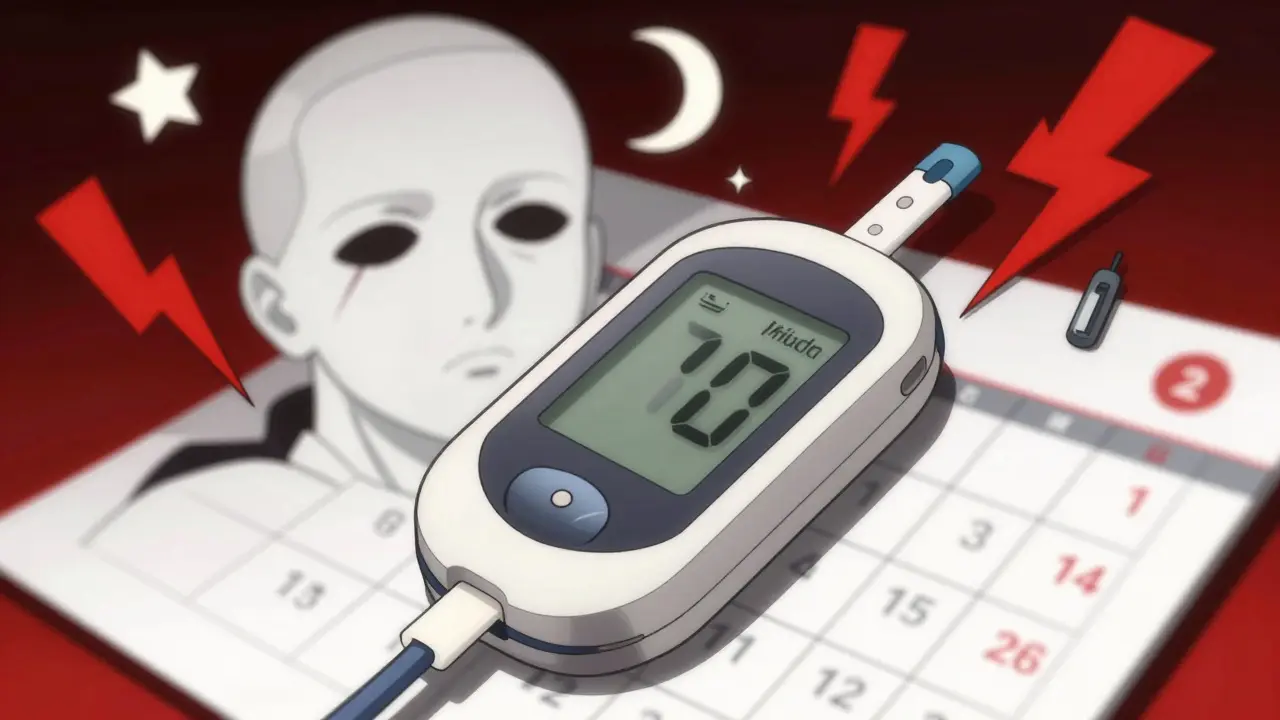
Mentally and metabolically, however, Dexamethasone can be tougher. There is a higher reported rate of insomnia (29% vs 22%) and mood disturbances. Even more concerning is the impact on blood sugar. Meta-analyses suggest that the risk of hyperglycemia-high blood sugar-is about 18% higher with dexamethasone when compared at equipotent doses. This makes careful monitoring essential for anyone with diabetes or pre-diabetes.
Which One is Right for the Job?
Choosing between these two isn't about which drug is "better," but about the specific medical goal. If the goal is rapid, potent suppression of inflammation for a short window-like treating brain swelling or a severe allergic reaction-Dexamethasone is the winner. It's also the preferred choice for patients with terminal cancer facing nerve compression pain, where it has shown response rates 35% higher than prednisone.
If the goal is long-term management of a condition where the dose needs to be adjusted carefully over months or years, Prednisone is the standard. Its shorter half-life allows for a more precise "tapering" process, which is vital to prevent the body from crashing when the medication is eventually stopped.
For those in the "gray area," such as women treating asthma, some evidence suggests Dexamethasone might be more effective at suppressing specific cytokines (proteins that signal inflammation) even in the presence of progesterone, potentially offering better symptom control.
Can I switch from Prednisone to Dexamethasone?
You should never switch these medications without a doctor's supervision. Because they have vastly different potencies (dexamethasone is roughly 5-10 times stronger), a direct milligram-for-milligram swap could result in a dangerous overdose or an ineffective underdose. Your doctor will use a conversion chart to ensure the dose remains therapeutically equivalent.
Which one causes more weight gain?
While both can cause weight gain and fluid retention, user reports and clinical data suggest that Prednisone is associated with a higher frequency of "moon face" and general weight gain compared to Dexamethasone, likely due to the higher milligram dosages typically prescribed.
Why was Dexamethasone used for COVID-19?
The RECOVERY Trial demonstrated that Dexamethasone significantly reduced mortality in hospitalized COVID-19 patients who required oxygen. Its high potency and ability to suppress the "cytokine storm" (an overreaction of the immune system that damages the lungs) made it an ideal choice for acute, severe respiratory distress.
Do these steroids affect blood sugar?
Yes, both can increase blood glucose levels. However, research indicates that Dexamethasone may carry a slightly higher risk-roughly 18% higher-of inducing hyperglycemia compared to equipotent doses of Prednisone.
Which one is safer for long-term use?
Neither is intended for unrestricted long-term use due to risks of osteoporosis and HPA axis suppression. However, Prednisone is generally preferred for chronic management because its intermediate half-life allows doctors to adjust the dose more flexibly to minimize side effects.
Next Steps and Precautions
Whether you are starting a new prescription or managing a long-term condition, keep these rules of thumb in mind:
- Track Your Mood: If you notice sudden insomnia or irritability, especially with Dexamethasone, let your doctor know. These are common psychiatric side effects that can often be managed by adjusting the time of day you take your dose.
- Monitor Glucose: If you have diabetes, check your blood sugar more frequently when starting or changing a steroid dose.
- Never Stop Suddenly: Both medications suppress your body's natural cortisol production. Stopping them abruptly can lead to adrenal crisis. Always follow a tapering schedule provided by your healthcare provider.
- Check for Infections: Because both drugs are Immunosuppressants, you might not develop a typical fever when you're sick. Watch for subtle signs of infection and avoid crowded areas during peak flu seasons if you are on high doses.