

Do Antibiotics Make Birth Control Pills Fail? Facts vs. Myths
 Apr, 24 2026
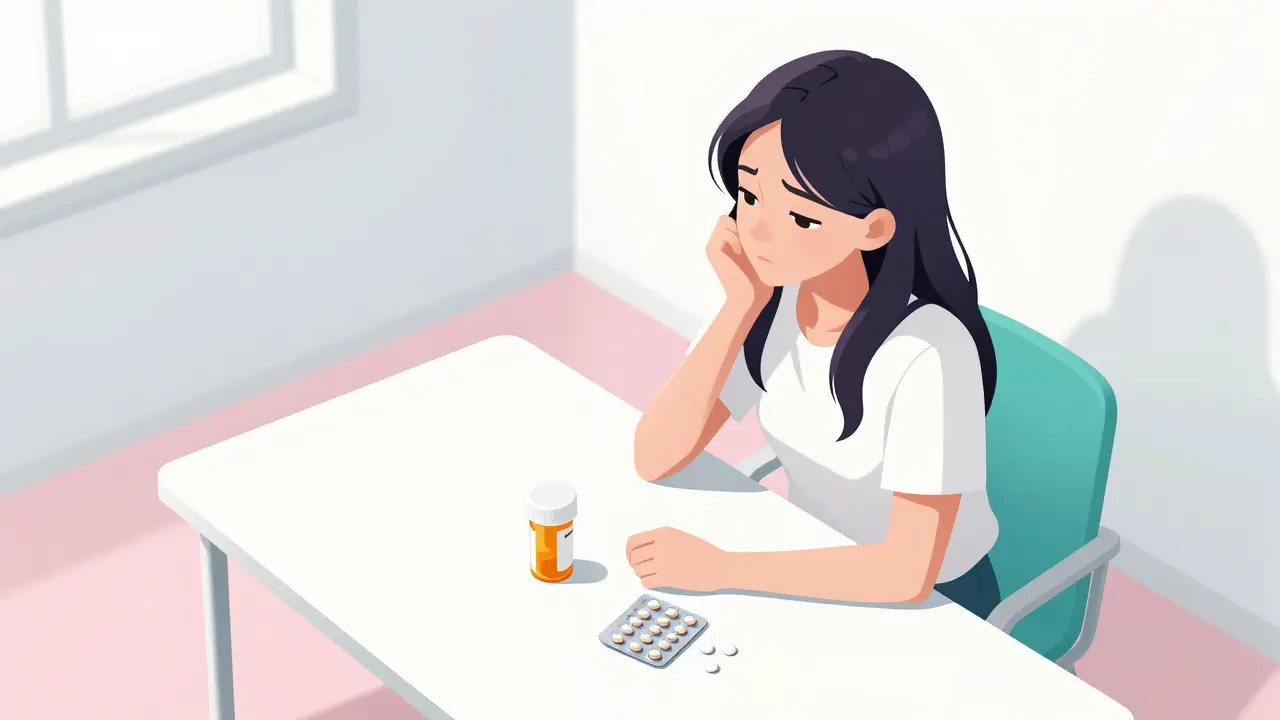
You've probably heard the warning before: "Be careful, your antibiotics might make your birth control fail." It's a piece of medical advice that's been passed around for decades, often whispered by pharmacists or mentioned in passing by a doctor. But if you're staring at a prescription for a sinus infection or a UTI, you're likely wondering if you actually need to buy a box of condoms for the next two weeks. The short answer is that for the vast majority of people, the answer is no. However, there are a few very specific exceptions that you absolutely cannot ignore.
The bottom line on antibiotics and birth control
- Common antibiotics (like amoxicillin or azithromycin) do not reduce the effectiveness of birth control pills.
- Rifamycins (like rifampin) are the only antibiotics proven to lower contraceptive efficacy.
- Backup methods are only medically required for specific "enzyme-inducing" drugs.
- User error and illness-related vomiting or diarrhea are more likely causes of pill failure than the antibiotics themselves.
The great antibiotic myth
For years, a persistent myth has circulated that broad-spectrum antibiotics kill the gut bacteria needed to absorb estrogen, thereby leading to unplanned pregnancies. While this sounds logical on paper, real-world data doesn't back it up. Combined hormonal contraception is a method of birth control that uses both estrogen and progestin to prevent ovulation. Modern research, including a major systematic review in the journal Contraception, shows that penicillin-type antibiotics don't drop your gut bacteria levels enough to stop estrogen from entering your bloodstream.
In fact, the Centers for Disease Control and Prevention (or CDC) classifies most common antibiotics as "Category 1" interactions. In plain English, that means there are no restrictions. You can take your medication and your pill exactly as prescribed without worrying about a breakthrough pregnancy. If you're taking Amoxicillin (often used for strep throat) or Azithromycin (common for respiratory infections), your hormone levels remain stable and therapeutic.
The dangerous exceptions: Enzyme inducers
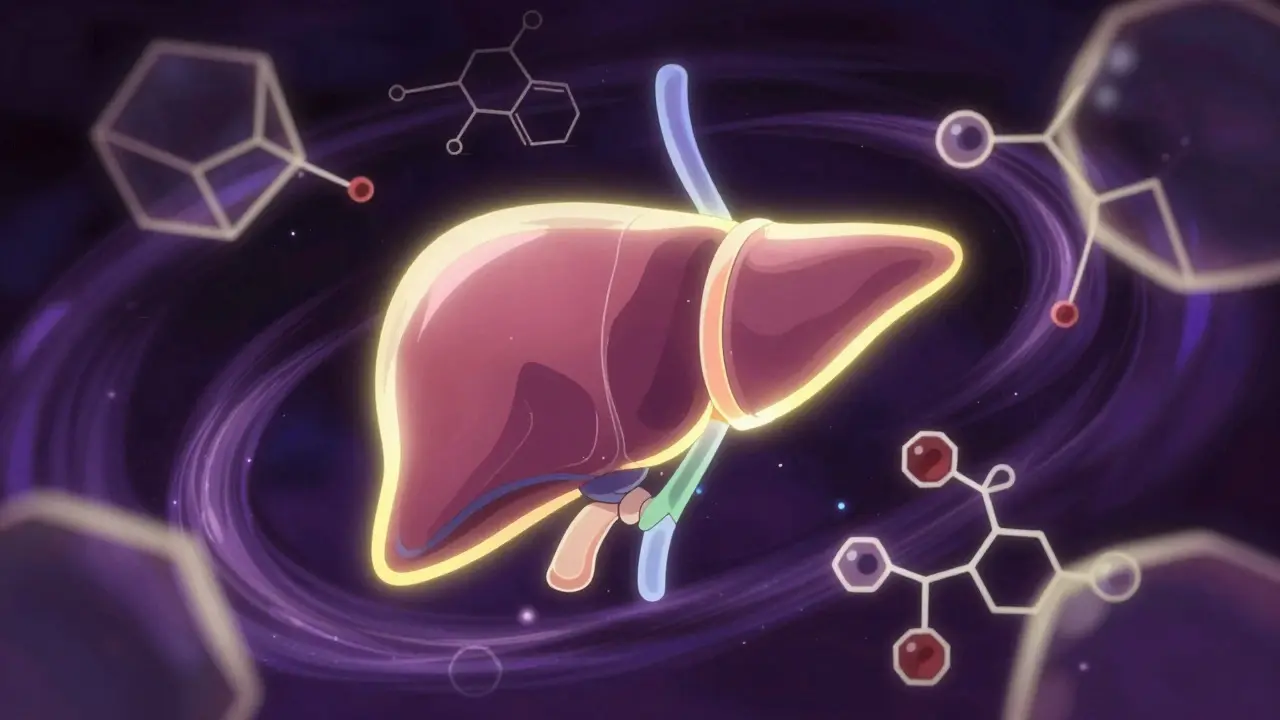
While the "common" antibiotics are safe, there is a small group of drugs that actually do pose a risk. These are known as enzyme inducers. Instead of affecting your gut, these drugs go straight to your liver and tell it to work overtime. They ramp up the activity of the Cytochrome P450 enzyme system, which is responsible for breaking down hormones in your body.
The primary culprit here is Rifampin, a powerful medication used to treat tuberculosis. This drug can increase liver enzyme activity by up to 300%, which essentially flushes the birth control hormones out of your system before they can do their job. A study in Pharmacotherapy found that rifampin can slash ethinyl estradiol levels by as much as 50%. If you are taking rifampin or its cousin, rifabutin, your antibiotics and birth control interaction is real, and your pill is no longer reliable.
| Medication Type | Common Examples | Effect on Pill | Backup Needed? |
|---|---|---|---|
| Broad-Spectrum / Common | Amoxicillin, Azithromycin, Ciprofloxacin | None | No |
| Rifamycins | Rifampin, Rifabutin | Accelerates hormone breakdown | Yes (for 28 days post) |
| Antifungals | Griseofulvin | Reduces effectiveness | Yes (for 1 month post) |
Why do so many doctors still suggest backup?
If the science is so clear, why did your pharmacist tell you to use a condom? It usually comes down to a "better safe than sorry" approach. The American Academy of Family Physicians (AAFP) has historically taken a conservative stance, suggesting backup methods just to be absolutely certain. Many providers prefer to avoid the risk of a single unplanned pregnancy rather than spend 20 minutes explaining the complex biochemistry of liver enzymes to a patient who is already feeling sick.
There's another factor: illness itself. If your antibiotic is treating a severe stomach bug that causes vomiting or heavy diarrhea, your body might not absorb the pill. This isn't a chemical interaction between the drug and the hormone, but a physical failure of the pill to stay in your system. In those cases, the antibiotics and birth control interaction is actually a "sickness interaction."

Other non-antibiotic risks to watch for
Since we're talking about things that mess with your birth control, it's worth mentioning that some non-antibiotic substances are even more disruptive than rifampin. For instance, St. John's wort, a popular herbal supplement for depression, can drop your estrogen levels by nearly 60%. Certain seizure medications like topiramate or lamotrigine (at high doses) can also interfere with the pill's effectiveness.
The common thread here is the liver. Anything that makes your liver enzymes "hyperactive" will likely make your birth control less effective. This is why it's always a good idea to tell your doctor every supplement and medication you're taking, even the "natural" ones from the health food store.
How to handle your medication safely
If you're starting a new course of medication, don't panic. Most of the time, you can just keep taking your pill as usual. But to be 100% safe, follow these steps:
- Check the name: Is it a rifamycin (like Rifampin)? If yes, start using condoms immediately.
- Assess your symptoms: Are you vomiting or having diarrhea? If so, treat it as a missed pill and follow your pack's instructions for missed doses.
- Ask for a specific answer: Instead of asking "Will this affect my pill?", ask "Is this an enzyme-inducing medication?" This prompts the pharmacist to give you a scientific answer rather than a generic warning.
- The 28-day rule: If you were on a rifamycin, remember that your liver doesn't reset instantly. You need backup contraception for 28 days after the very last dose of the antibiotic.
Does Amoxicillin make the birth control pill less effective?
No. Amoxicillin is a penicillin-type antibiotic and has no clinically significant impact on the blood levels of contraceptive hormones. You do not need backup contraception when taking amoxicillin alone.
Which antibiotics definitely interfere with birth control?
The primary antibiotics that cause failure are the rifamycins, specifically rifampin and rifabutin. These are typically used for tuberculosis or other serious infections, not for common colds or UTIs.
What should I do if I'm not sure if my antibiotic interacts?
If you are unsure or cannot reach your doctor, using a backup method like condoms is a low-risk way to ensure you are protected. It's better to have a few days of extra protection than to risk an unplanned pregnancy.
Does the "pill-free" week change anything?
No, the interaction (or lack thereof) applies to the active hormones in the pill. The placebo week doesn't change how the antibiotics interact with the hormones you took during the active phase.
Do antifungals also affect birth control?
Most do not, but Griseofulvin is a notable exception. Much like rifampin, it can reduce the effectiveness of hormonal contraceptives and requires backup protection for one month after treatment ends.