

Fever Medication for Kids: Acetaminophen vs. Ibuprofen Safety Guide
 Mar, 30 2026
Imagine this: You wake up at 3 AM because your toddler feels burning hot. Your heart races as you reach for the medicine cabinet. Which bottle do you grab? The pink liquid or the orange syrup? This isn't just about lowering a number on a thermometer; it's about keeping your little one safe while they fight off a virus. Many parents freeze when faced with the choice between Acetaminophen and Ibuprofen. Fortunately, modern medicine has clear answers. Both options work well, but they function differently inside your child's body.
As a parent navigating these late-night scares, understanding the mechanics matters. In Australia, we often call acetaminophen "paracetamol," but the chemistry remains the same globally. These two drugs dominate the market for a reason. Recent data shows that millions of parents rely on them daily to manage pain and temperature spikes. However, using them correctly requires attention to detail. A mistake in measurement can mean the difference between relief and harm.
Understanding How the Drugs Work
Before comparing effectiveness, you need to understand what each medication actually does. They belong to different classes of drugs, which explains why they might react differently in your child's system. Acetaminophen works centrally in the brain to reduce pain and fever signals. It doesn't reduce inflammation much, which is useful for pure fevers. On the other hand, Ibuprofen belongs to the NSAID class, targeting the chemicals that cause swelling and heat in the body. This anti-inflammatory effect is crucial for conditions like ear infections or teething where tissue swelling contributes to the discomfort.
The history of these medications supports their safety records. Acetaminophen was synthesized back in 1878, giving us nearly a century of long-term safety data. Ibuprofen came later, gaining approval in 1969. Despite being newer, ibuprofen has established itself as a powerful alternative. In clinical settings, doctors often choose between them based on the underlying cause of the symptoms. For example, if a child has a stomach virus, ibuprofen might irritate the empty stomach, making acetaminophen the better choice.
| Feature | Acetaminophen | Ibuprofen |
|---|---|---|
| Age Limit | Safe over 2 months (consult doctor) | Safe over 6 months |
| Dosing Frequency | Every 4-6 hours | Every 6-8 hours |
| Peak Action | 30-60 minutes | 1-2 hours |
| Primary Risk | Liver toxicity (overdose) | Kidney stress / Stomach upset |
Effectiveness: Which Lowers Fever Faster?
If your goal is simply to bring a high temperature down quickly, the science points to ibuprofen. Studies from the American Family Physician in 2021 reviewed dozens of trials involving thousands of children. The results were consistent: ibuprofen had a higher likelihood of bringing a child back to a normal temperature within four hours compared to acetaminophen. Specifically, for every eight children treated with ibuprofen instead of acetaminophen, one additional child would be fever-free faster.
Does this mean acetaminophen is useless for fever? Absolutely not. While ibuprofen might knock the temperature down slightly harder, acetaminophen starts working sooner. Its peak plasma concentration occurs in about 30 to 60 minutes, whereas ibuprofen takes a full hour or two to hit its max level in the blood. If you catch the fever early in the morning before daycare, acetaminophen might be sufficient to keep them comfortable through the day. However, if the spike happens at night and you want a longer window of sleep, ibuprofen stays active longer in the body due to a half-life of 1.8 to 2 hours.
Parents also care about pain relief, not just temperature. Interestingly, both medications perform similarly for pain management in most scenarios. Whether your child is nursing wisdom teeth (unlikely for toddlers!) or dealing with post-vaccination soreness, studies show comparable risk ratios for pain relief. However, some recent reviews suggest ibuprofen offers better sustained pain control over 24 hours. This distinction matters when treating injuries or severe toothaches during teething phases.
Safety Concerns and Side Effects
Safety is the primary reason parents hesitate to switch medications. Older guidelines were cautious about ibuprofen because of theoretical risks to the kidneys in very young infants. While current data suggests it is safe for babies over six months when hydrated properly, the kidney risk remains a valid consideration for dehydrated children. If your child is vomiting and not holding fluids down, their kidneys might struggle to process ibuprofen efficiently. In those cases, switching to acetaminophen is usually safer.
We also see frequent reports of gastrointestinal upset with ibuprofen. Parents often describe tummy rumbles or mild diarrhea after doses. It's not dangerous, but it adds misery to an already sick child. Conversely, acetaminophen has a cleaner profile for the gut but carries its own risks if overdosed. Because it is processed by the liver, accidental overdose is the bigger danger there. This is why mixing brands or guessing doses with kitchen spoons is extremely risky.
There is also ongoing discussion about long-term developmental links. Some studies published around 2022 suggested a correlation between early acetaminophen exposure and asthma development later in childhood. This doesn't mean the drug causes asthma directly, but it highlights that we are still learning about subtle long-term effects. Until more definitive answers emerge, experts recommend using the lowest effective dose for the shortest time needed.
Critical Dosing Rules Every Parent Must Know
This is the most important section to read before measuring out any medicine. The single biggest mistake parents make is dosing by age charts found on bottles rather than weight. A small 18-month-old weighs less than a tall 1-year-old. Using an age chart ignores this variation and can lead to under-dosing or overdosing. The FDA mandates standardized concentrations now (like 160 mg per 5 mL for infants) to help, but you must ignore age labels on the box.
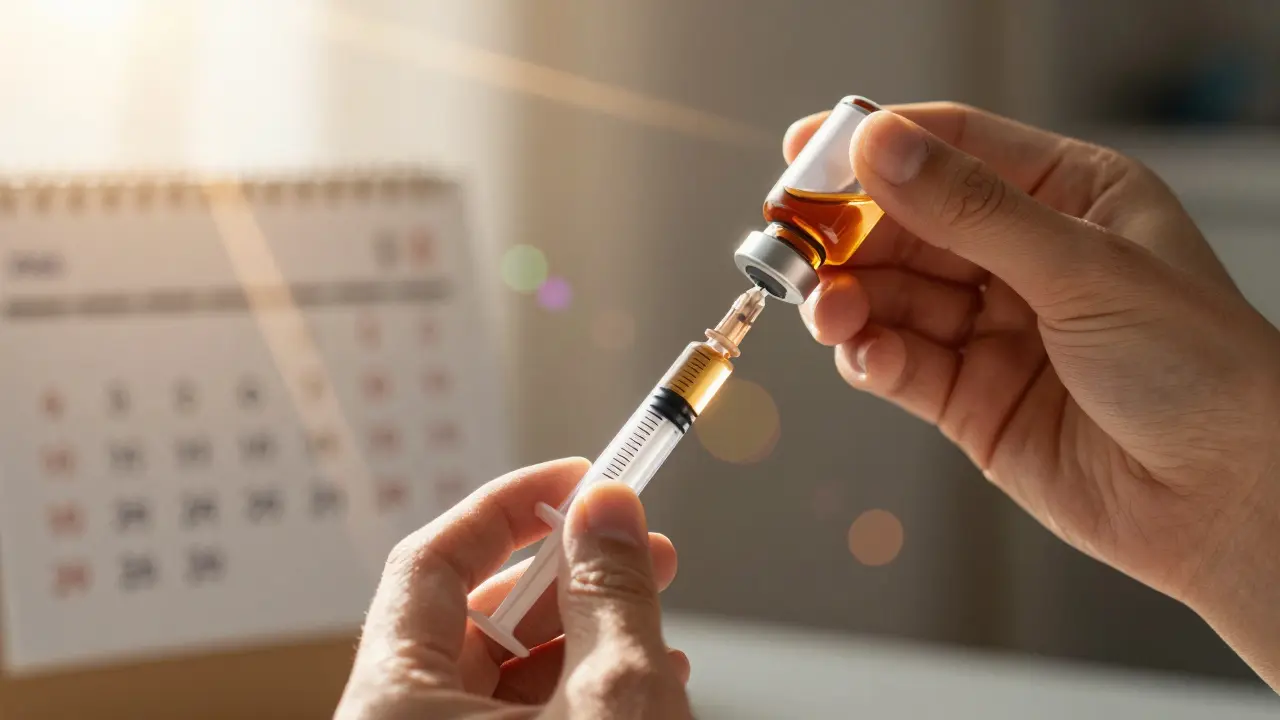
Instead, always ask your pediatrician for the exact milliliters based on your child's current weight. Acetaminophen typically requires 7-15 mg per kilogram of body weight. Ibuprofen is dosed at 4-10 mg per kilogram. Even though the numbers look small, the precision is vital. To ensure you are accurate, always use the syringe or cup provided with the bottle. Kitchen spoons vary wildly in volume-a teaspoon is 5mL, but soup spoons are often larger.
Another practical tip involves the timing. You generally shouldn't alternate these medications unless your doctor specifically told you to plan that schedule. While alternating is popular in internet forums, it increases the chance of losing track of times and accidentally overdosing. Stick to one medication consistently for 24 hours to keep the log simple. If one stops working after 4 hours, only then consider consulting a doctor before adding the second type.

When to Skip Medicine Entirely
Not every bump in temperature needs a pill. Fevers are actually a defense mechanism used by the immune system to kill bacteria and viruses. Forcing the temperature down completely isn't always necessary if the child is drinking water and behaving relatively normally. If your child is playing calmly even with a warm forehead, you might skip the meds entirely. Watch the child, not just the thermometer.
However, there are red lines you cannot cross. Never give aspirin to a child due to the risk of Reye's syndrome. Also, avoid multi-symptom cold medicines that combine acetaminophen with other ingredients. These increase the risk of accidental overdose significantly. Finally, never give medication intended for adults or teenagers to a small child. The concentration is too high, and the margin for error becomes dangerous instantly.
Navigating the Confusion Over Alternating
You have probably heard advice suggesting you rotate acetaminophen and ibuprofen every three hours. Is this safe? The American Academy of Pediatrics advises against this as a routine practice because the benefit rarely outweighs the confusion. Keeping a chart to remember exactly when you gave which drug creates mental load when you are already exhausted. Furthermore, studies haven't shown strong evidence that alternating improves outcomes compared to using just one drug correctly.
That said, there are exceptions. If a high fever returns repeatedly despite maximum doses of a single medication, a doctor might approve a rotation schedule. This should only happen under direct supervision. If you decide to try it, label your calendar or phone notes clearly: 'Tylenol 2 PM', 'Advil 5 PM'. Visual tracking prevents mistakes. Remember, the goal is comfort for the child, not necessarily hitting a specific zero-degree target on the thermometer.
Can I give ibuprofen to my baby under 6 months?
No, you should generally avoid ibuprofen for infants younger than 6 months without explicit medical direction. Their kidney systems are still maturing, and dehydration from illness puts extra stress on them. Acetaminophen is preferred for infants over 2 months, but always consult a doctor first.
What is the maximum amount I can give per day?
The absolute limit is typically five doses in a 24-hour period. For acetaminophen, do not exceed 75 mg/kg total daily dose. For ibuprofen, stay under 40 mg/kg. Exceeding these amounts regularly can cause organ damage. Always space doses carefully.
Why does ibuprofen make my child's stomach hurt?
Ibuprofen reduces protective mucus in the stomach lining temporarily. It is always best to administer it with food or milk to buffer the stomach. If nausea persists, switch to acetaminophen until the child is eating normally again.
Is liquid medicine better than chewable tablets?
Liquid formulations are standard for children under 3 years because they allow precise dosing via calibrated syringes. Chewables contain fillers and higher concentrations that are harder to divide accurately for smaller children. Liquid is safer for toddlers.
Should I wake my sleeping child to give medicine?
Usually no. If your child is sleeping soundly, they are likely managing the fever and resting. Waking them causes distress and disrupts recovery. Monitor the temperature when they wake up, but sleep is more beneficial for healing than an artificially lowered temperature.
Kendell Callaway Mooney
March 30, 2026 AT 04:26Always measure by weight not age charts found on labels.
This rule prevents so many accidents in the household medicine cabinet.
Charles Rogers
March 31, 2026 AT 08:05I used to ignore the weight thing until my own kid nearly ended up in the ER.
You see those age charts printed right on the bottle everywhere in pharmacies today.
People follow those blindly without understanding why they exist in the first place.
It feels like manufacturers want you to trust their marketing instead of science data.
My pediatrician told me explicitly to forget the age and look only at the scale number.
Weighing your toddler before every dose is annoying but saves so much heartache later on.
If you are unsure about the exact milliliters then call the nurse line immediately.
Never guess with kitchen spoons because the variance between brands is actually wild.
One teaspoon from your cupboard could hold eight milliliters while another holds four.
That difference changes the concentration drastically inside a small body system fast.
Liver damage is not something you get back after an accidental overdose occurs here.
Acetaminophen sounds harmless enough but the margin for error is tighter than people think.
Kidney stress from ibuprofen shows up differently when hydration levels drop during illness.
Alternating meds creates confusion even if studies show mixed results regarding efficacy rates.
Keep a written log on your phone rather than trying to rely on memory alone please.
Calvin H
March 31, 2026 AT 22:57Honestly just stick to whatever works for the kid.
Cameron Redic
April 2, 2026 AT 19:22This is obvious stuff anyway.
Why does everyone need a lecture about basic chemistry?
Debbie Fradin
April 4, 2026 AT 11:52Sure let us give chemicals to infants because thermometers are scary monsters.
Good luck with the liver toxicity if you mess that up.
Adryan Brown
April 4, 2026 AT 19:41When I think about the mechanics it really helps clarify things.
The timing of peak action is something people often forget completely.
You cannot rush the process of healing through a fever spike easily.
Patience is key when watching the thermometer numbers climb and fall slowly.
Some days it feels like the medicine does nothing at all though.
I remember nights where I checked the temp every single hour possible.
Trust your pediatrician when they suggest specific dosing intervals strictly.
dPhanen DhrubRaaj
April 6, 2026 AT 02:18take the drug at night helps sleep better than morning doses usually
Vikash Ranjan
April 7, 2026 AT 13:45Most people just follow the crowd without questioning the root cause.
Why do we accept fever as bad when it fights infection naturally?
RONALD FOWLER
April 8, 2026 AT 16:56It takes a lot of courage to handle these moments alone.
Being calm for your child matters more than the perfect dose amount sometimes.
Stay relaxed and focused on their comfort instead of panicking.
Marwood Construction
April 10, 2026 AT 11:30The clinical data suggests precision is vital here.
Standardized concentrations help reduce errors significantly in practice settings.
William Rhodes
April 10, 2026 AT 11:35Parents are doing amazing jobs under pressure!!!
Do not let the internet scare you too much with doom and gloom stories!
Dan Stoof
April 12, 2026 AT 11:21You have to be SO careful with these things!!!
Making mistakes with dosing is scary for any caregiver ever!!!
Follow the rules and stay safe!!!
Carolyn Kask
April 13, 2026 AT 18:18Stop guessing with spoons you idiots!!!
Safety matters more than convenience.
Do not risk your child health for laziness.
Katie Riston
April 14, 2026 AT 21:09There is always a deeper meaning behind how we treat suffering in modern society.
We medicate discomfort quickly without asking why pain exists.
Comfort care is noble but ignoring natural defenses might hide important signals from the body.
Finding balance is the true art of parenting a sick child.
Biraju Shah
April 16, 2026 AT 18:00We should try to understand both sides of this safety debate.
Information helps everyone feel more confident during stressful nights at home.