

How Generics Cut Healthcare Drug Spending: The Real Cost-Saving Power
 Dec, 18 2025
Every year, Americans spend over $650 billion on prescription drugs. That’s more than any other country in the world. But here’s the surprising part: 90% of all prescriptions filled are for generic drugs. And yet, those same generics make up just 12% of total drug spending. Meanwhile, brand-name drugs - only 10% of prescriptions - eat up 88% of the bill. What’s going on?
Why Generics Are the Secret Weapon Against Sky-High Drug Prices
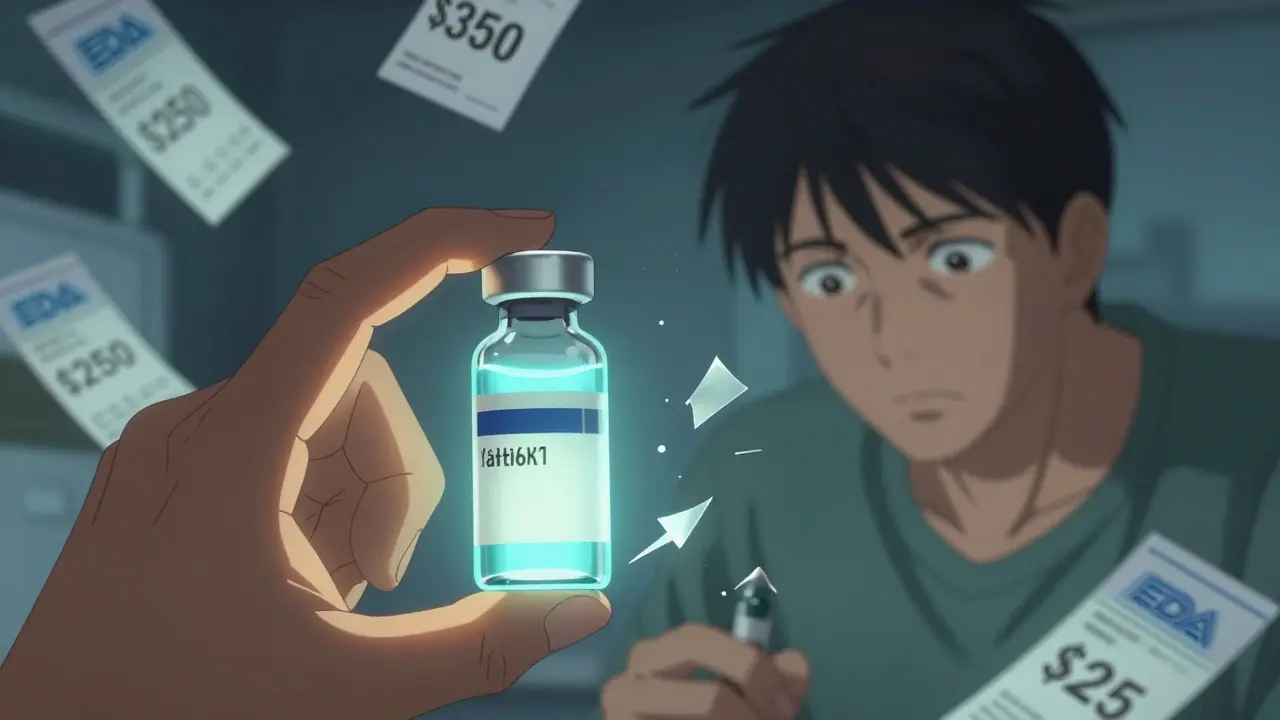
Generic drugs aren’t cheap knockoffs. They’re exact copies of brand-name medications, approved by the FDA to work the same way, in the same dose, with the same active ingredients. The only differences? The color, shape, or inactive fillers - and the price. On average, generics cost 80-85% less than their brand-name counterparts. Take insulin, for example. A vial of Humalog used to cost $350. After a generic version, insulin lispro, hit the market, the price dropped to $25. That’s not a marketing gimmick. That’s a real, life-changing savings. People who used to skip doses to stretch their supply could now take their full dose without fear. And it’s not just insulin. Statins, blood pressure pills, antidepressants, diabetes meds - the vast majority of chronic disease treatments now have generic versions that deliver identical results at a fraction of the cost. The system that made this possible started in 1984 with the Hatch-Waxman Act. Before that, generic manufacturers had to run full clinical trials - just like brand-name companies - to prove safety and effectiveness. That was impossible financially. Hatch-Waxman changed the game. It let generics prove they were bioequivalent: that they released the same amount of active ingredient into the bloodstream at the same rate as the brand. No need for massive patient trials. Just a few dozen healthy volunteers, blood tests, and statistical analysis. The FDA approved the first generic version of a brand-name drug in 1982. By 2024, over 14,000 generic products were listed in the FDA’s Orange Book.The Numbers Don’t Lie: How Much Have Generics Saved?
In 2023, generics saved the U.S. healthcare system $445 billion. In 2024, that number climbed even higher. That’s not a guess. It’s calculated by comparing what patients would have paid for brand-name drugs versus what they actually paid for generics. The savings come from every corner: Medicare, Medicaid, private insurers, and patients paying out of pocket. Compare that to other cost-control methods. Medicare drug price negotiation, which started in 2023, saved about $6 billion annually on 10 drugs. That’s impressive - but it only affects Medicare’s share of spending. Generics affect everyone. The Congressional Budget Office found that generic competition cuts prices by 90% within a year of patent expiration. Medicare negotiation? It averages 42%. And even the best value-based pricing pilots only saved 1-3%. The reason? Generics don’t just lower prices - they force competition. Once one generic enters the market, others follow. Two generics? Price drops another 20%. Five? It can crash to 90% below brand. That’s how markets work. And it’s why drugs like atorvastatin (Lipitor) and metformin cost pennies today.Why Some Drugs Still Cost a Fortune - Even When Generics Exist
Not every drug has a cheap alternative. And when it doesn’t, patients suffer. The biggest problem? Complex drugs. Biologics - drugs made from living cells, like Humira, Enbrel, or insulin analogs - are incredibly hard to copy. They’re not chemicals. They’re proteins. That’s why we have biosimilars, not generics. Biosimilars are similar, but not identical. And they’re still expensive. On average, they’re only 15-35% cheaper than the brand. That’s nowhere near the 80% drop you see with small-molecule generics. Worse, there’s a “biosimilar void.” Over 90% of biologics set to lose patent protection in the next five years have no biosimilar in development. Why? Because the cost to develop one is $100-200 million - and the payoff is uncertain. Insurance companies often don’t favor them. Pharmacies don’t push them. Doctors don’t know how to prescribe them. Then there’s the patent game. Brand-name companies file dozens - sometimes over 140 - patents on a single drug. Not all protect the active ingredient. Some protect the pill coating, the timing of release, or even the packaging. These are called “patent thickets.” They delay generics for years. One study found the average time from patent expiration to generic entry is 28 months. That’s over two years of high prices while patients wait. And then there’s “product hopping.” A company slightly changes a drug - say, from a pill to a capsule - and markets it as “new and improved.” Then they file a new patent. The old version goes off-patent, but no one can make the generic because the new version is now the standard. The FTC says this tactic adds 6-12 months of delay. It’s legal. It’s effective. And it’s expensive for patients.
Why You Might Still Be Paying More for a Generic
Here’s something most people don’t know: sometimes, your pharmacy charges you more for a generic than for the brand-name drug. How? Because of pharmacy benefit managers (PBMs). These middlemen negotiate rebates with drug makers. If a brand-name company gives a big rebate to the PBM, the PBM might set your copay lower for the brand than for the generic. Why? Because they get paid more when you buy the brand. So even though the generic costs the pharmacy $5 and the brand costs $50, your copay might be $10 for the brand and $15 for the generic. It’s not a mistake. It’s a business model. A 2024 report from Express Scripts found that 45% of commercial health plans use this tactic. It’s called a “generic differential.” And it’s everywhere. You won’t see it on your receipt. You’ll only notice it when you’re handed a more expensive prescription. Even state laws can get in the way. Forty-eight states let pharmacists switch a brand to a generic automatically. But 12 states require a doctor’s permission if the drug has a “narrow therapeutic index” - meaning small changes in dosage can cause big side effects. Drugs like warfarin, levothyroxine, and epilepsy meds fall into this category. Even though the FDA says generics are equivalent, some doctors still refuse to allow substitution. And patients? They’re stuck paying more.What Patients Really Think - And Why Some Are Still Skeptical
Most people who switch to generics don’t notice a difference. On Drugs.com, generic drugs average a 4.1 out of 5 rating. Efficacy? Just as good as brand-name. Affordability? 4.5 out of 5. But not everyone has a smooth experience. A 2023 FDA report recorded over 1,200 adverse events linked to generic substitutions. Most were minor - upset stomach, rashes - caused by different inactive ingredients. One person might be sensitive to the dye in one generic version. Another might react to the filler in another. It’s rare, but it happens. On patient forums like PatientsLikeMe, 23% of users reported problems switching generics for thyroid meds like levothyroxine. They’d feel fine on the brand, then get tired, gain weight, or feel anxious on the generic. Doctors often dismiss it. But the FDA acknowledges that even tiny variations in absorption can matter for drugs with narrow therapeutic windows. That’s why some patients stick with the brand - not because it’s better, but because it’s predictable. And if you’re on a tight budget, that predictability is worth something. But if you can switch safely? You’re leaving hundreds - sometimes thousands - of dollars on the table.
What’s Next? The Future of Generic Drugs
The Inflation Reduction Act capped insulin at $35 a month for Medicare patients in 2023. The price of brand-name insulin dropped almost overnight. That’s the power of policy. But it only applies to one drug class, and only for Medicare. The real opportunity? Fixing the biosimilar pipeline. If the FDA can cut approval times by half, and if insurers are required to cover biosimilars at the same level as generics, we could save $133 billion by 2025. But right now, adoption in the U.S. is stuck at 25-30%. In Europe, it’s 70-85%. The FDA’s 2024 Biosimilars Action Plan aims to fix that. But it needs help. Lawmakers need to ban “pay-for-delay” deals - where brand companies pay generic makers to stay off the market. The FTC says these agreements delay generics by 17 months on average and cost consumers $3.5 billion a year. And we need to fix the PBM mess. If pharmacies were required to pass savings directly to patients - not to middlemen - we’d see real price drops.What You Can Do Today
You don’t need to wait for Congress to act. Here’s what you can do right now:- Ask your doctor: “Is there a generic version of this drug?”
- Check your prescription label. If it says “substitution permitted,” your pharmacist can switch you without calling your doctor.
- Use GoodRx or SingleCare to compare prices. Sometimes the cash price for a generic is cheaper than your insurance copay.
- If you’re on a narrow therapeutic index drug and feel worse after switching, tell your doctor. Don’t assume it’s all in your head.
- Call your insurer. Ask if they have a generic differential. If they do, ask to be switched to the cheaper option.
Kevin Motta Top
December 19, 2025 AT 19:27Generics are the unsung heroes of American healthcare. I used to skip my blood pressure meds because the brand cost $120 a month. Switched to generic? $8. I’m alive because of it. No drama, no hype - just science and savings.
Alisa Silvia Bila
December 20, 2025 AT 08:13My grandma takes levothyroxine and swore the brand was the only thing that worked. We switched her to generic after her doctor insisted - and she’s been stable for two years now. The FDA’s right: they’re the same. But people need to hear this more often.
Frank Drewery
December 20, 2025 AT 15:41This is one of those topics where the facts are so clear, it’s almost frustrating. We’re literally throwing away hundreds of billions because of corporate games and pharmacy middlemen. Generics aren’t just cheaper - they’re morally the right choice. If you can take one, take one. Your wallet and your neighbors will thank you.
Anna Sedervay
December 21, 2025 AT 23:37One must consider the systemic corruption underlying this entire narrative. The FDA, PBMs, and Big Pharma operate as a tripartite oligopoly, deliberately obfuscating bioequivalence data to maintain profit margins under the guise of ‘patient safety.’ The 1,200 adverse events cited? Likely underreported. The ‘narrow therapeutic index’ argument is a smokescreen - the real issue is the lack of transparency in manufacturing standards across generic suppliers. One wonders whether the FDA’s Orange Book is even remotely reliable anymore. This is not healthcare - it’s financial engineering disguised as medicine.
Matt Davies
December 22, 2025 AT 00:19Generics are the Robin Hood of the pharmacy shelf - stealing from the rich (pharma execs) and giving to the poor (us). I once paid $150 for a brand-name antidepressant. Switched to generic? $5. Felt the same. Slept better. Didn’t go bankrupt. Honestly, if your doctor won’t prescribe a generic, ask them why they’re okay with you being financially gutted.
Dev Sawner
December 22, 2025 AT 11:32The data presented is statistically sound but ignores the broader economic implications of generic drug proliferation. The collapse of brand-name drug pricing has led to reduced R&D investment in novel therapeutics, thereby compromising long-term innovation. Furthermore, the FDA’s bioequivalence thresholds permit pharmacokinetic variances of up to 20%, which, while statistically acceptable, may yield clinically significant deviations in vulnerable populations such as the elderly or those with hepatic impairment. The article romanticizes generics without addressing the structural degradation of pharmaceutical quality control. One must prioritize innovation over cost-cutting.
Moses Odumbe
December 23, 2025 AT 17:02PSA: If your pharmacy charges you MORE for a generic than the brand, CALL THEM. 💥 I got ripped off for months until I asked why. Turns out my PBM gave them a kickback for pushing the brand. Now I use GoodRx - saved $180/month. 🤯 #PharmacyScam #GenericsSaveLives
Meenakshi Jaiswal
December 24, 2025 AT 23:07For anyone worried about switching generics for thyroid meds - start with one brand, then ask your pharmacist to switch to a different generic brand. Not every generic is made the same. Some use different fillers or coatings. If you feel off, don’t blame yourself - ask for a specific manufacturer’s version. I’ve helped dozens of patients find their ‘sweet spot’ generic. It’s not about brand vs generic - it’s about finding the right generic for YOU. Your body will tell you. Listen.