

New Safety Data Changing Medication Guidelines: Latest Updates for 2026
 Jan, 5 2026
Medication safety is changing faster than ever
Every year, thousands of patients are harmed by medication errors that could have been avoided. In 2025, new safety data forced major changes to how drugs are prescribed, handled, and monitored - and these updates aren’t just paperwork. They’re changing daily routines in pharmacies, hospitals, and clinics across the country. If you’re a patient, caregiver, or healthcare worker, you need to know what’s different now.
What’s new in the ISMP 2025-2026 best practices
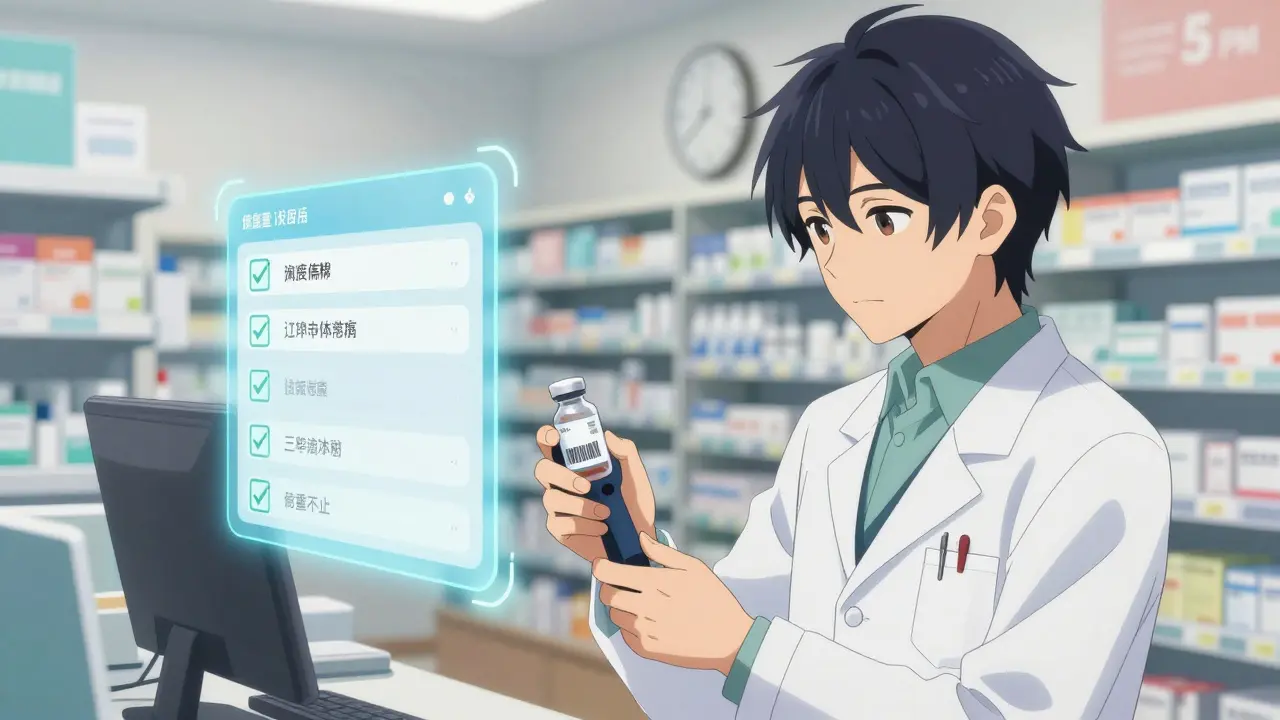
The Institute for Safe Medication Practices (ISMP) released its latest set of community pharmacy best practices in March 2025. These aren’t suggestions - they’re proven actions that reduce errors. The biggest changes focus on weight-based dosing, double-checking high-alert drugs, and using barcode scanning for every medication given to a patient.
One of the most impactful updates requires pharmacists to always verify a patient’s weight before dispensing medications like insulin, chemotherapy, or pediatric antibiotics. A single mistake in weight calculation can lead to overdose or underdose - and both can be deadly. Pharmacies that implemented this rule saw a 63% drop in pediatric dosing errors within six months, according to data from Texas-based pharmacy chains.
Another key change: independent double-checks for high-alert medications. This means two trained staff members must confirm the drug, dose, and patient before release. No more relying on memory or quick glances. And barcode scanning? It’s no longer optional. Every pill, injection, or IV bag must be scanned at the point of administration. This simple step cuts misadministered drugs by nearly half in settings where it’s fully adopted.
NIOSH updates its hazardous drugs list - again
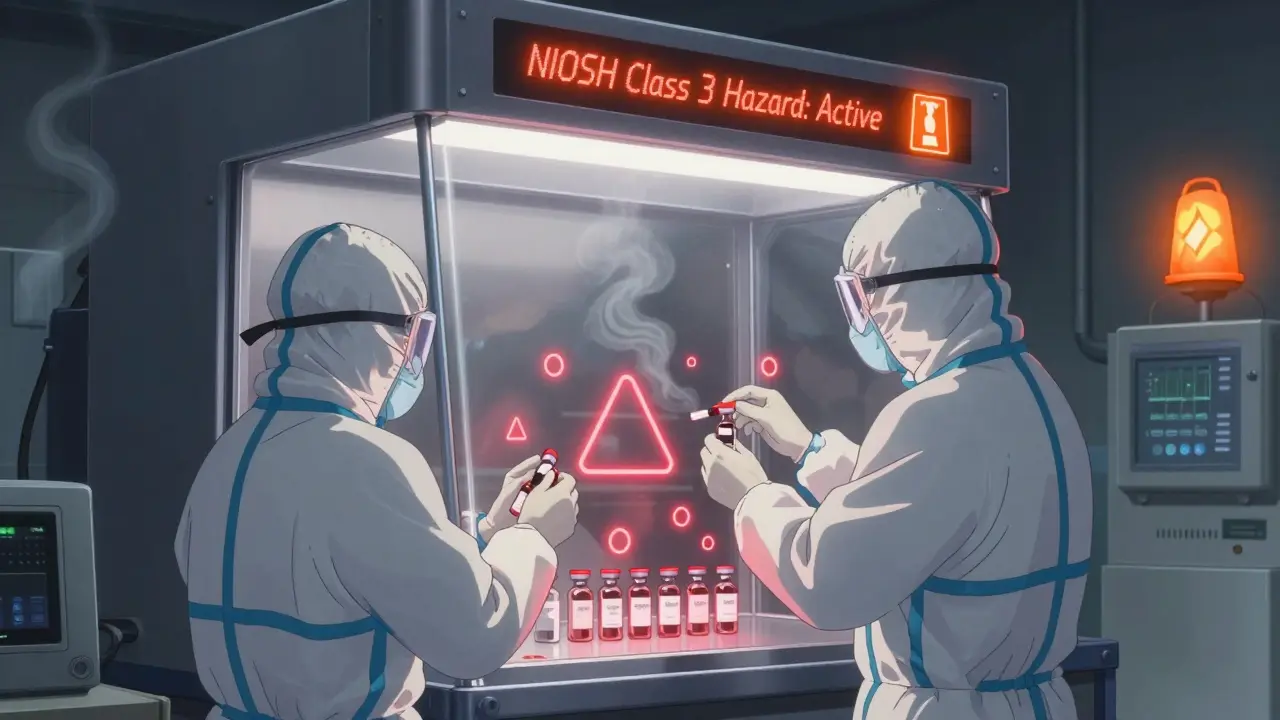
In December 2024, NIOSH released its updated List of Hazardous Drugs in Healthcare Settings. Then, on July 17, 2025, they added three more: datopotamab deruxtecan, treosulfan, and telisotuzumab vedotin. These are all new cancer treatments called antibody-drug conjugates - powerful, but dangerous if handled improperly.
Pharmacists and nurses who prepare or administer these drugs now need stricter protective measures. That means using closed-system transfer devices, special ventilation hoods, and disposable gowns. One hospital pharmacy in Ohio reported preventing two potential staff exposures after updating their protocols for the new drugs. But the cost is real: setting up proper containment systems can run $15,000 to $50,000 per pharmacy.
NIOSH also removed seven drugs from the list after new evidence showed lower risk. That’s important - not every new drug is automatically dangerous. The list is based on real-world data, not fear.
CMS changes how it measures safety - and it affects your insurance
The Centers for Medicare & Medicaid Services (CMS) didn’t just tweak a form in 2025. They changed how they rate Medicare Part D plans. Performance on 16 new Patient Safety measures now directly impacts a plan’s Star Rating - and that rating determines how many people enroll.
Two big changes stand out. First, opioid use in non-cancer patients is now tracked more closely. If a patient gets high-dose opioids for more than 90 days without cancer, the plan gets penalized unless there’s documented justification. Second, medication adherence for cholesterol drugs (statins) now counts more than ever. Plans that use automated refill reminders, medication synchronization, and targeted outreach to non-adherent patients are seeing adherence rates climb above 80%.
But there’s a catch. These rules mean more paperwork for pharmacists. A survey of long-term care pharmacists found 45% spent more time documenting, even though 72% said it improved care for dementia patients. The system is pushing for better outcomes - but not always making it easier to get there.
WHO’s global push to prevent medication harm
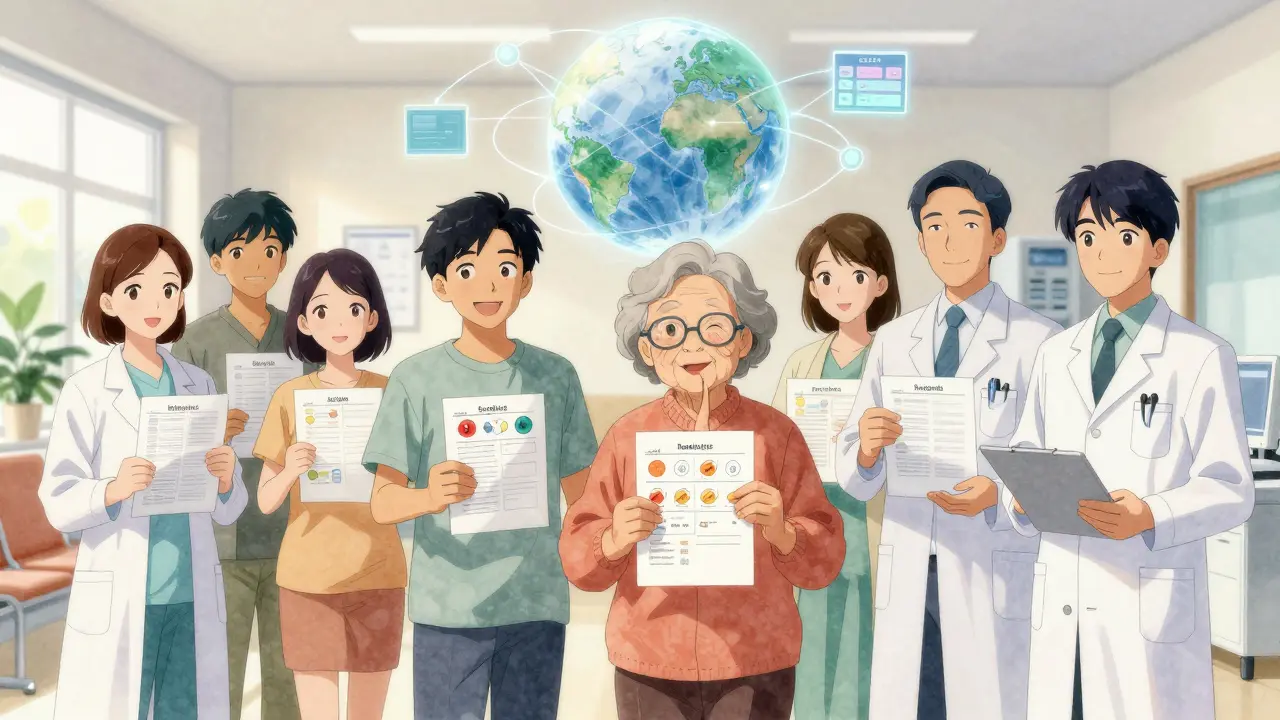
On September 19, 2025, the World Health Organization released its first-ever global framework for balanced controlled medicine policies. The goal? Cut serious, preventable medication harm by 50% over five years.
This isn’t just about pills. It’s about access. In many low-income countries, patients with cancer or chronic pain can’t get morphine because of overly strict laws. In other places, people misuse opioids because they’re too easy to get. WHO’s new guidelines try to fix both problems at once.
They call for eight key actions: training doctors and pharmacists, using digital tracking to monitor drug flow, protecting patients’ legal right to prescribed pain meds, educating the public, and building systems that catch misuse without punishing patients. So far, 47 countries have reported baseline data - but only 12 have full national plans. The gap between promise and practice is still wide.
What’s changing in electronic prescribing
Electronic health records (EHRs) are supposed to make things safer. But bad design can make errors worse. In August 2025, ISMP released new guidelines for safe electronic communication of medication orders.
They’re specific: drug names must be displayed clearly (no abbreviations), doses must include units (mg, not just “5”), and frequency must be spelled out (“once daily,” not “QD”). Patient-specific alerts - like allergies or kidney function - must pop up before a prescription is sent.
One pharmacy in Minnesota found that after updating their EHR to follow these rules, they cut duplicate prescriptions by 40%. But many clinics still use outdated templates. If your doctor’s system doesn’t show your full drug list or warns you about interactions, ask them to update it.
Who’s adopting these changes - and who’s falling behind
Hospitals are ahead. Eighty-nine percent now use barcode scanning for all medications. Community pharmacies? Only 37% do. Why? Cost. A full safety tech setup - scanners, software, training - can cost $10,000 to $20,000 per pharmacy. For a small independent shop, that’s a major investment.
Big chains and hospital systems are spending millions on integrated platforms from BD Pyxis, Omnicell, and Talyst. Smaller pharmacies are turning to affordable, modular tools that cost $1,200-$2,500 a month. AI-powered tools like MedAware are growing fast - they predict errors before they happen, and early adopters saw a 41% drop in serious mistakes.
But technology alone won’t fix this. Staff burnout is real. A 14.7% vacancy rate for hospital pharmacists means fewer eyes on prescriptions. One pharmacist on a Facebook group summed it up: “We’re doing more with less - and the safety rules keep adding up.”
What you should do next
If you’re a patient: Ask your pharmacist if they use weight-based dosing for kids or seniors. Check if your prescriptions are scanned before you leave. If you’re on opioids or statins, ask if your plan tracks adherence - and if you’re getting reminders.
If you’re a caregiver: Make sure all medications are listed clearly on one sheet. Bring that sheet to every appointment. Don’t assume the doctor knows what’s being taken at home.
If you’re a healthcare worker: Start with one ISMP best practice. Maybe it’s double-checking insulin. Or scanning every IV. Don’t try to do it all at once. Small steps add up.
The data is clear: these changes work. But they only work if they’re used. The system is evolving - now it’s up to each of us to keep up.
What medications were added to the NIOSH hazardous drugs list in 2025?
Three new drugs were added to the NIOSH Hazardous Drugs List on July 17, 2025: datopotamab deruxtecan (Datroway®), treosulfan (Grafapex™), and telisotuzumab vedotin (Emrelis™). All three are antibody-drug conjugates used in cancer treatment and require special handling to protect healthcare workers from exposure.
Do the new ISMP guidelines apply to all pharmacies?
The ISMP 2025-2026 best practices are voluntary but strongly recommended for all community pharmacies. While not legally required, many insurers and state boards now expect compliance. Pharmacies that follow them report 37% fewer medication errors, and some states are starting to tie licensing to adherence.
How do CMS Star Ratings affect my Medicare plan?
CMS Star Ratings determine how much money Medicare pays to Part D plans. Plans with higher ratings (4 stars or above) get bonuses and attract more members. Safety measures like statin adherence and opioid use tracking now make up a big part of the score. If your plan’s rating dropped, it’s likely because they’re struggling to meet these new safety benchmarks.
Are these changes only in the U.S.?
No. While ISMP and CMS are U.S.-focused, the WHO’s global guidelines affect every country. Many nations are adopting similar rules for hazardous drugs, electronic prescribing, and opioid monitoring. The WHO’s Medication Without Harm initiative is now active in 47 countries, with some using U.S. data to shape their own policies.
What’s the biggest barrier to implementing these updates?
Cost and staffing. Many pharmacies, especially independent ones, can’t afford the technology upgrades or the extra staff needed to follow all the new protocols. A 2025 survey found 62% of independent pharmacy owners cited technology costs as the main barrier. Staff shortages make it harder to train and supervise new procedures.
Beth Templeton
January 7, 2026 AT 10:14Tiffany Adjei - Opong
January 8, 2026 AT 18:34Ryan Barr
January 9, 2026 AT 03:18Cam Jane
January 10, 2026 AT 07:15Dana Termini
January 10, 2026 AT 13:49Amy Le
January 11, 2026 AT 16:55Pavan Vora
January 12, 2026 AT 17:12Stuart Shield
January 13, 2026 AT 00:03Cam Jane
January 14, 2026 AT 09:19