

Sexual Side Effects from Common Medications: What You Need to Know
 Jan, 16 2026
Medication Sexual Side Effects Calculator
Your Medication
Risk Assessment
Select a medication to see your risk level
Medication Alternatives
Select a medication to see alternatives with lower sexual side effects
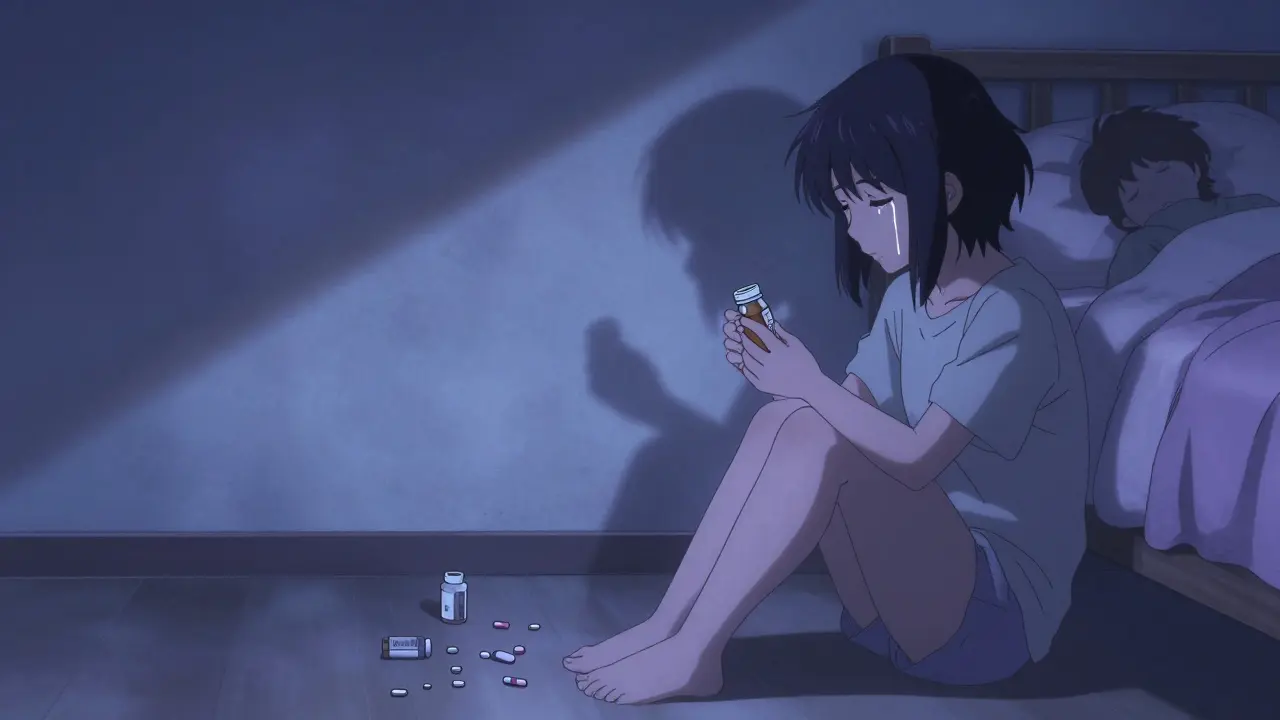
Many people don’t realize that the pills they take every day for depression, high blood pressure, or prostate issues can quietly wreck their sex lives. It’s not rare. It’s not unusual. It’s common. And it’s rarely discussed until someone stops taking their meds or walks out of the doctor’s office feeling confused, embarrassed, or alone.
If you’ve noticed a drop in desire, trouble getting or keeping an erection, delayed or absent orgasm, or just a general lack of pleasure during sex - and you’re on medication - you’re not imagining it. You’re not broken. You’re not alone. And there are real, practical ways to fix it.
Antidepressants Are the Biggest Culprit
Of all medication classes, antidepressants cause the most widespread sexual side effects. About 40% of people taking them experience some kind of sexual problem, according to decades of clinical research. That number jumps to 59% when you look at all antidepressants together.
Among SSRIs - the most commonly prescribed type - the risk varies by drug. Paroxetine (Paxil) hits hardest, with up to 65% of users reporting sexual issues. Fluvoxamine (Luvox) and sertraline (Zoloft) follow close behind at 59% and 56%. Even fluoxetine (Prozac), often thought of as "gentler," affects more than half of users.
What happens? These drugs increase serotonin, which helps with mood - but also shuts down libido, delays orgasm, and can make sex feel numb. For some, it’s a complete loss of arousal. For others, it’s just taking longer to reach climax - or never reaching it at all.
But not all antidepressants are equal. Bupropion (Wellbutrin) and mirtazapine (Remeron) have much lower rates of sexual side effects. In fact, some people report improved libido on these. If sexual health matters to you, ask your doctor about switching. Don’t stop cold turkey - withdrawal can be dangerous. But a smart switch? That can change everything.
High Blood Pressure Meds Can Kill Your Sex Drive
High blood pressure itself can hurt sexual function. But the meds used to treat it? They often make it worse.
Thiazide diuretics - like hydrochlorothiazide (Microzide) - are the most common cause of erectile dysfunction among heart meds. Beta blockers like atenolol and metoprolol also reduce blood flow and blunt arousal. One study found that 10% of heart failure patients blame their sexual problems squarely on these drugs.
Women aren’t spared. Up to 41% report lower desire. 34% say sex just doesn’t feel good anymore. Alpha-blockers like clonidine and prazosin can reduce arousal and pleasure too.
But here’s the twist: not all blood pressure meds are bad for sex. Angiotensin II receptor blockers - like valsartan - have actually been shown to improve sexual desire and fantasies in women, compared to beta blockers. If you’re on a beta blocker and your sex life is suffering, ask if switching to an ARB is an option. It’s not a gamble. It’s a known alternative.
Prostate Medicines Are a Double-Edged Sword
Men taking 5-alpha reductase inhibitors like finasteride (Propecia, Proscar) or dutasteride (Avodart) for enlarged prostates or hair loss often face a trade-off: less prostate growth, but less sex drive.
Studies show 5.9-15.8% of users lose libido. 5.1-9% develop erectile dysfunction. And up to 21.4% report problems with ejaculation - including dry orgasms or reduced semen volume.
Why? These drugs block DHT, a hormone tied to both prostate health and sexual function. Lower DHT = less arousal, less erection quality, less orgasm.
And then there are antiandrogens used in prostate cancer treatment - drugs like bicalutamide. Nearly all men on these lose libido and struggle with erections. Some even develop breast tissue (gynecomastia). These side effects are expected. But they’re not inevitable. Talking to your oncologist before starting treatment helps you prepare mentally and emotionally. Counseling, education, and realistic expectations make a huge difference.
Other Surprising Offenders
It’s not just antidepressants and heart meds. Other everyday drugs can mess with your sex life too.
Gabapentin and pregabalin - used for nerve pain and seizures - are linked to erectile dysfunction. They raise sex hormone binding globulin, which lowers free testosterone. That’s enough to dampen desire and performance.
Opioids like oxycodone and hydrocodone disrupt the brain’s hormonal control center. Long-term use can cause secondary hypogonadism - meaning your body stops making enough testosterone. Result? Low libido, erectile dysfunction, fatigue. This isn’t "just addiction." It’s a physiological effect.
Proton pump inhibitors (PPIs) like omeprazole (Prilosec) and H2 blockers like ranitidine (Zantac) have been tied to decreased libido and erectile problems in some users. The mechanism isn’t fully clear, but the link is real enough that doctors now ask about sexual function when patients report new side effects.
What Can You Do About It?
You don’t have to suffer in silence. There are five proven ways to manage medication-induced sexual dysfunction:
- Talk to your doctor - before you stop or change anything. Abruptly quitting antidepressants or blood pressure meds can be dangerous.
- Switch medications - If you’re on paroxetine, ask about bupropion. If you’re on a beta blocker, ask about valsartan. There are alternatives that work just as well without wrecking your sex life.
- Adjust timing - Some people find taking SSRIs after sex instead of before reduces interference with arousal and orgasm.
- Use add-on treatments - For SSRI-induced erectile dysfunction, sildenafil (Viagra) works in 74-95% of cases. Tadalafil (Cialis) is another option. This isn’t "cheating." It’s treating a side effect.
- Try non-drug fixes - Regular exercise improves blood flow, boosts testosterone, and lifts mood. Even 30 minutes of walking five days a week can help.
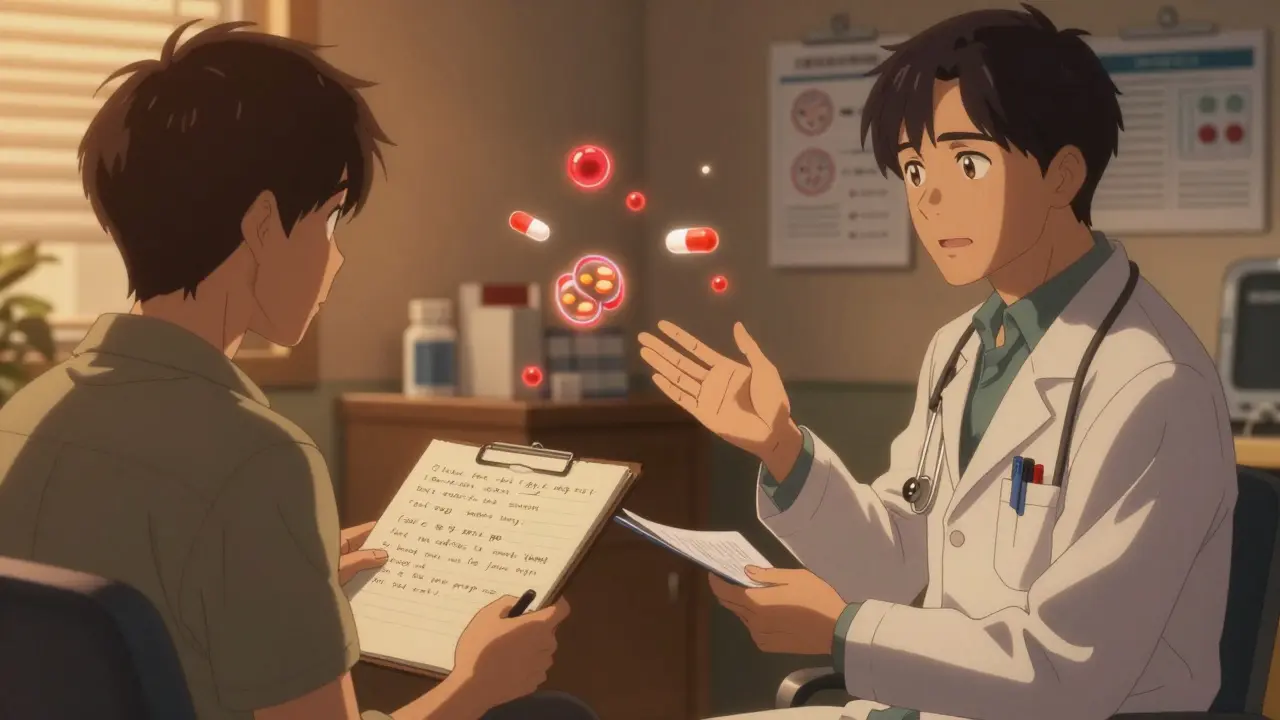
And if you’re on long-term meds - especially for mental health or chronic illness - ask your doctor to screen you for sexual side effects during routine visits. The American Urological Association now recommends this. It’s not a taboo topic. It’s standard care.

It’s Not Just Physical - It’s Emotional Too
Sexual side effects don’t just hurt your body. They hurt your relationships. Your self-esteem. Your sense of intimacy.
One man I spoke to stopped taking his antidepressant because he couldn’t have sex with his wife anymore. He felt like a failure. He didn’t tell anyone. He just stopped. His depression came back worse.
Another woman on blood pressure meds said she avoided sex for two years because she felt "broken." When she finally told her doctor, they switched her to a different pill. Within weeks, she said she felt like herself again.
These aren’t rare stories. They’re the norm. And they’re fixable - if you speak up.
What’s Changing in the Field
Pharmaceutical companies are finally listening. New antidepressants in clinical trials are being designed specifically to avoid serotonin-related sexual side effects. The FDA now requires drug makers to track and report sexual dysfunction in trials for CNS medications.
Researchers are also exploring genetic testing to predict who’s more likely to have these side effects. One day, your doctor might test your DNA before prescribing an SSRI - not just to see if it’ll work, but to see if it’ll wreck your sex life.
For now, the best tool you have is awareness. Knowledge. And the courage to ask the question: "Could this pill be hurting my sex life?"
You’re not being dramatic. You’re being smart.
Can antidepressants cause permanent sexual dysfunction?
In most cases, sexual side effects from antidepressants go away after stopping the medication. But a small number of people report persistent symptoms - called Post-SSRI Sexual Dysfunction (PSSD) - even after discontinuation. This is rare, but real. If you notice ongoing issues after stopping an SSRI, see a specialist. Research is ongoing, and treatment options like testosterone therapy or counseling can help.
Do all SSRIs cause the same sexual side effects?
No. While all SSRIs carry some risk, they vary widely. Paroxetine has the highest rate of sexual side effects (up to 65%), while sertraline and escitalopram are slightly lower. Fluoxetine may cause more delayed orgasm but less overall desire loss. Bupropion and mirtazapine are not SSRIs and have much lower risks. Your doctor can help pick one that balances mood control with sexual health.
Can I just take Viagra to fix this?
Yes - and it’s often effective. For men with SSRI-induced erectile dysfunction, sildenafil (Viagra) works in 74-95% of cases. Tadalafil (Cialis) is another option. But this doesn’t fix low desire or orgasm problems. It only helps with erections. It’s a tool, not a cure. Always talk to your doctor before combining meds, especially if you have heart issues.
Why don’t doctors talk about this more?
Many doctors assume patients won’t bring it up - and patients assume it’s normal. It’s a silent gap. Studies show only 1 in 4 patients report sexual side effects unless directly asked. Doctors aren’t always trained to screen for this. But awareness is growing. Ask directly: "Could this medication be affecting my sex life?" You’ll likely get a more honest, helpful answer.
Are there natural ways to reduce these side effects?
Yes. Regular exercise boosts blood flow and testosterone, which helps with arousal and erection quality. Reducing alcohol and quitting smoking can also improve sexual function. Some supplements like L-arginine or ginseng are studied for sexual health, but evidence is mixed. Never replace prescribed meds with herbs without talking to your doctor. Lifestyle changes work best alongside medical advice.
Chuck Dickson
January 17, 2026 AT 11:44Hey everyone - if you’re struggling with this, you’re not alone. I was on Zoloft for years, lost all interest in sex, and thought it was just me being broken. Then I switched to Wellbutrin. My libido came back like I’d been reborn. Talk to your doctor - don’t just quit. But don’t suffer silently either. Your sex life matters. You deserve to feel whole.
Naomi Keyes
January 18, 2026 AT 21:04It’s fascinating how the medical establishment ignores sexual side effects - until someone files a lawsuit. SSRIs were approved without mandatory sexual function tracking? That’s not negligence - it’s systemic dehumanization. And now we’re expected to be grateful for ‘add-on treatments’ like Viagra, as if that fixes the root problem: a drug that turns intimacy into a mechanical chore.
Dayanara Villafuerte
January 20, 2026 AT 03:38Bro, I was on Paxil for 3 years. No orgasm. No desire. Just numb. Then I switched to Wellbutrin - and suddenly I could feel my wife’s touch again 😭❤️🔥. Also, walking 30 mins a day helped more than I thought. Don’t give up. It’s fixable.
Andrew Qu
January 20, 2026 AT 06:05For anyone on beta-blockers: ask about ARBs like valsartan. My husband was on metoprolol for 5 years - erectile dysfunction, low energy. Switched to valsartan. His libido came back in 3 weeks. No side effects. His BP is better too. It’s not magic - it’s just science. Ask your doctor. Seriously.
Nishant Sonuley
January 20, 2026 AT 14:56Let me tell you something - in India, we don’t talk about this stuff. Not even in private. My cousin’s wife was on fluoxetine for depression and stopped having sex for two years. No one said anything. She thought it was her fault. When she finally told her doctor, they switched her to mirtazapine - and she cried because she remembered what it felt like to want to be touched. This isn’t just a Western problem. It’s a global silence. We need to break it.
Emma #########
January 20, 2026 AT 17:36I’m a therapist. I’ve had so many clients come in saying, ‘I feel like a failure because I can’t have sex.’ And every time, it’s because of a med they never told their doctor about. The shame is worse than the side effect. Just say it. ‘Doc, my sex life’s gone.’ They’ll get it. I promise.
Robert Cassidy
January 21, 2026 AT 17:27This is what happens when you let Big Pharma write your prescriptions. They don’t care if you can’t get hard - they care if you keep buying pills. And now they’re ‘designing new antidepressants’? Please. They’ll just slap on a new label and charge $200 more. The real solution? Stop taking all these pills. Eat real food. Move. Sleep. Stop medicating your life away.
Andrew Short
January 23, 2026 AT 05:29Of course you’re having sex problems. You’re on antidepressants. That’s like taking a chainsaw to your nervous system and then being mad when you can’t feel your fingers. Stop blaming the drug. Blame yourself for being weak enough to need it. And if you’re on finasteride? You’re lucky you still have a penis. At least you’re not one of those guys who grow boobs from taking it.
Jay Clarke
January 23, 2026 AT 14:24Let’s be real - if you’re on SSRIs and you’re not having sex, you’re not depressed. You’re just numb. And numb is easier than feeling. I know. I was there. I stopped the meds, cried for three weeks, then started dating again. Now I have more sex than I did in my 20s. The pills were the problem. Not me.
Andrew McLarren
January 24, 2026 AT 00:56As a physician with over two decades of clinical experience, I must emphasize that the pharmacological literature is unequivocal: sexual dysfunction induced by psychotropic and antihypertensive agents is both prevalent and underreported. The American Psychiatric Association and the American Urological Association have jointly endorsed routine screening for these adverse effects during follow-up visits. It is not a matter of personal failing, nor is it a trivial concern - it is a clinically significant domain of patient quality of life that demands systematic attention. I urge all patients to initiate this conversation with their prescribers, and all providers to institutionalize this assessment protocol.
rachel bellet
January 24, 2026 AT 09:29Post-SSRI Sexual Dysfunction (PSSD) is a recognized neuroendocrine iatrogenic disorder, characterized by persistent anhedonia, genital anesthesia, and reduced libido following SSRI discontinuation - even in the absence of residual plasma concentrations. The pathophysiology involves serotonergic dysregulation of dopaminergic and oxytocinergic pathways, with potential epigenetic modulation. Current therapeutic modalities include phosphodiesterase inhibitors, testosterone replacement, and cognitive-behavioral interventions - though evidence remains limited. Further research is urgently required.
Pat Dean
January 25, 2026 AT 09:29Why are we even talking about this? It’s just sex. People used to just deal with it. Now we want everything to be perfect - perfect mood, perfect erection, perfect orgasm. You’re on meds to stay alive. Be grateful. Stop being so entitled. If you can’t get it up, just watch porn. Or masturbate. Problem solved.
Selina Warren
January 25, 2026 AT 16:37What if the real problem isn’t the drug - but the fact that we’ve outsourced our emotional regulation to pills? We’re not just treating depression. We’re numbing the whole human experience - including desire, vulnerability, intimacy. Maybe the answer isn’t a different pill… but a different life. One where we feel - even the hard parts. Even the silence between heartbeats. Even the ache of wanting and not having.
christian Espinola
January 26, 2026 AT 03:59