

Which Statins Cause the Most Muscle Pain? Real Data on Risk and Relief
 Nov, 29 2025
Statins Muscle Pain Risk Calculator
Which Statin is Right for You?
This tool calculates your relative risk of muscle pain based on the statin you take, using real clinical evidence from the Oxford University study.
Your Muscle Pain Risk
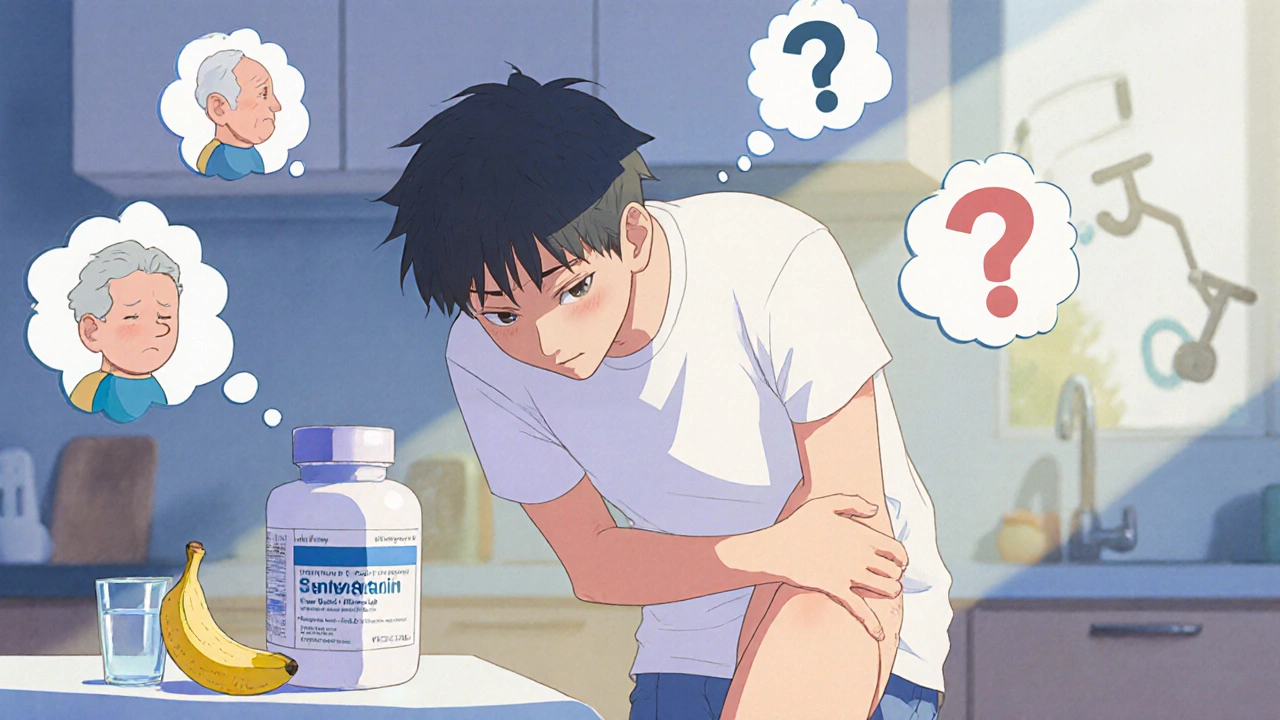
Millions of people take statins to lower their cholesterol and protect their hearts. But one question keeps coming up: which statins cause the most muscle pain? If you’ve heard stories about leg cramps, soreness, or weakness after starting a statin, you’re not alone. Many people stop taking them because of it. But here’s the truth most doctors don’t tell you - the vast majority of muscle pain people blame on statins isn’t actually caused by the drug.
The Big Myth About Statins and Muscle Pain
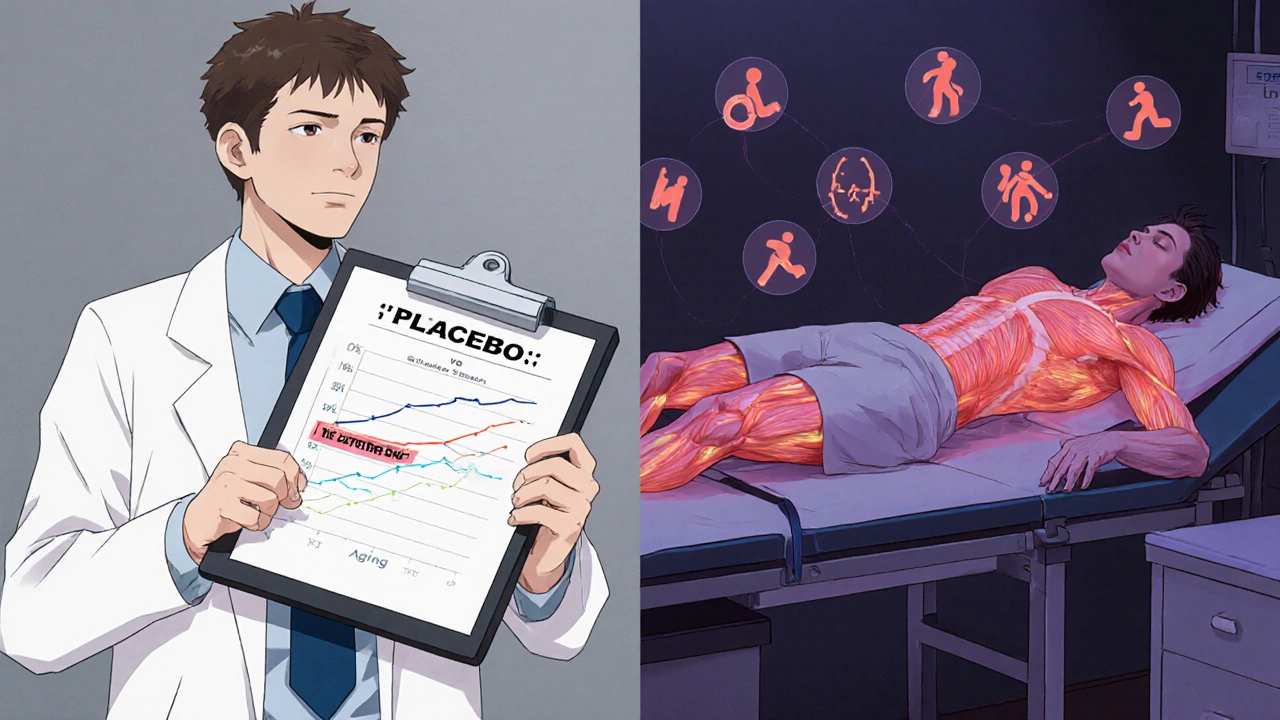
For years, patients and even some doctors assumed statins were the main cause of muscle aches. It made sense: you start the pill, your muscles hurt, you connect the dots. But in 2022, a massive study from Oxford University changed everything. Researchers looked at data from over 123,000 people in 23 clinical trials. Half took statins. Half took sugar pills. After four years, the results were startling.27.1% of people on statins reported muscle pain. So did 26.6% of people on placebo. That’s a difference of just 0.5%. In real numbers? Only 11 extra cases of muscle pain per 1,000 people in the first year. For every 15 people who thought their pain was from the statin, only one was actually affected by it. The rest? Their pain was likely from aging, stress, exercise, or something else entirely.
This is called the nocebo effect - when you expect side effects, your brain makes you feel them. One patient in the study had muscle pain whether he was taking the real drug or a placebo. He only noticed the pain after reading online that statins cause it. That’s not the drug. That’s your mind.
Not All Statins Are Created Equal
Even if muscle pain is rarely caused by statins, some are still more likely to trigger it than others. The risk isn’t random. It’s tied to how the drug is made and how your body handles it.Statins vary in two key ways: how fat-soluble they are (lipophilicity) and how strong they are (potency). The more lipophilic and potent a statin is, the more likely it is to enter muscle tissue - and potentially cause issues. Here’s how the big five stack up, from highest to lowest risk:
- Simvastatin - Highest risk. It’s highly lipophilic and potent. Studies show it has nearly double the odds of muscle pain compared to pravastatin.
- Atorvastatin - Moderate risk. Popular because it’s strong and lasts a long time, but still more likely to cause issues than the safer options.
- Rosuvastatin - Low to moderate. It’s potent but less fat-soluble, so it doesn’t drift into muscles as easily.
- Pravastatin - Low risk. Water-soluble, so it mostly stays in the liver. Less likely to affect muscles.
- Fluvastatin - Lowest risk. Least potent and least lipophilic. Often overlooked, but one of the safest choices.
Real-world data backs this up. On Drugs.com, simvastatin has a muscle pain rating of 3.2/5. Atorvastatin is 2.9/5. Pravastatin is 2.5/5. Fluvastatin? Just 2.3/5. These aren’t just opinions - they match the science.
What If You Have Muscle Pain? Don’t Quit Yet
If you’re experiencing muscle soreness, don’t assume it’s the statin. First, rule out other causes. Did you start a new workout? Are you dehydrated? Have you been sitting too long? Are you taking other meds like antibiotics or blood pressure pills? Many drugs interact with statins and raise the risk of muscle issues.Doctors have a simple test: the statin holiday. Stop the statin for 2 to 4 weeks. If your pain goes away, restart it. If the pain comes back within days, there’s a chance it’s the drug. But if the pain doesn’t return? It wasn’t the statin. That’s the gold standard for diagnosis.
A 2023 Mayo Clinic study showed that 68% of people who thought they were intolerant to statins could safely restart them - after learning about the nocebo effect and slowly building back up. Education matters. When patients understood that most pain isn’t from the drug, their symptoms improved.
What to Do If You Really Can’t Tolerate Statins
If you’ve confirmed you have true statin-associated muscle symptoms (SAMS), you have options. The first step? Switch to a lower-risk statin. Pravastatin or fluvastatin are your best bets. Many patients who couldn’t take simvastatin or atorvastatin have no issues with these.Another trick: take your statin every other day. Some people find this reduces muscle pain while still lowering cholesterol. It’s not for everyone, but it works for many.
If you still can’t tolerate any statin, there are alternatives. Ezetimibe lowers cholesterol by blocking absorption in the gut. It’s safe, cheap, and has almost no muscle-related side effects. PCSK9 inhibitors like evolocumab work even better - but they cost over $5,800 a year. Generic statins? As low as $4 a month.
Don’t let cost scare you. Most insurance covers ezetimibe. And if you’re at high risk for heart disease, skipping statins isn’t worth the risk. For every 100 people treated with statins for 5 years, 3 major heart events are prevented. That’s life-saving.

Why This Matters More Than You Think
Over 18% of new statin users quit within a year - mostly because of muscle pain. But here’s the irony: those who stop are 30% more likely to have a heart attack or stroke in the next five years. The fear of side effects is killing more people than the side effects themselves.Doctors are finally catching on. The European Medicines Agency and the FDA are updating labels to say: muscle pain is not significantly higher than placebo. The American College of Cardiology now tells doctors to reinforce the benefits before assuming intolerance.
And if you’re worried? Ask for a blood test. Creatine kinase (CK) levels above 5 times the normal range suggest true muscle damage. Most people with muscle pain have normal CK. That means no real injury - just discomfort.
Bottom Line: Don’t Let Fear Stop You
The statin that causes the most muscle pain? Simvastatin. But even then, only about 1 in 10 people who blame it are actually affected. Most pain is coincidence, not cause.If you’re on simvastatin and hurting, talk to your doctor about switching to pravastatin or fluvastatin. If you’ve quit statins because of pain, consider a re-challenge. You might be surprised.
Your heart doesn’t need perfection. It needs consistency. And statins - even the ones with a slightly higher risk - still save lives. Don’t throw away protection because of a myth.
Erin Nemo
December 1, 2025 AT 04:37I used to blame my statins for every little ache, but after reading this, I realized I was just getting older and sitting too much. Switched to pravastatin and I feel way better now. No more blaming the pill!
ariel nicholas
December 2, 2025 AT 02:03Oh, so now it's all in our heads? That's what they said about smoking, too. And look where that got us. You're just another corporate shill pushing pills because Big Pharma paid you off. The data? Biased. The trials? Flawed. The truth? They don't want you to know the real cost!
Rachel Stanton
December 2, 2025 AT 03:03This is such an important breakdown-especially the part about lipophilicity and muscle penetration. Many patients don’t realize statins aren’t all the same, and switching to a water-soluble option like pravastatin can be a game-changer. Also, the nocebo effect is wildly underdiscussed in clinical settings. Education isn’t just helpful-it’s preventative care.
Amber-Lynn Quinata
December 3, 2025 AT 17:40Wait… so you’re telling me I’m just imagining my pain? 😔 I’ve been taking this for 3 years and my legs feel like concrete. I don’t care what the study says. I know my body. And if I feel it, it’s real. 🤷♀️💔
Lauryn Smith
December 4, 2025 AT 01:00I stopped statins because of cramps, but after reading this, I’m thinking of trying again-maybe with fluvastatin. My doctor never explained the differences between them. I wish more people knew this stuff.
Bonnie Youn
December 5, 2025 AT 16:30STOP QUITTING STATINS. Your heart doesn’t care about your excuses. You want to live past 60? Take the pill. Switch if you have to. But don’t you dare throw away your future because you think your leg hurts. You’re not special. Your pain is probably placebo. Get over it and live.
Edward Hyde
December 7, 2025 AT 00:58Simvastatin? That’s the one that turns your quads into Jell-O. I tried it. Felt like I’d been dragged through a gravel pit by a donkey. Switched to pravastatin like a boss. Now I hike. And I still laugh at people who think it’s all in their head. Some of us have real pain, not vibes.
Charlotte Collins
December 8, 2025 AT 19:38Interesting how the study’s margin of error is statistically insignificant… but only if you ignore the fact that muscle pain is subjective, non-linear, and often delayed. Also, the placebo group included people who’d read about statin side effects. So the real question is: who’s manipulating the narrative? The patients? Or the journals?
Margaret Stearns
December 9, 2025 AT 13:20I switched to pravastatin last year after terrible cramps. It took two weeks to notice the difference. My CK levels were normal the whole time. This article nailed it. Thank you for explaining the science clearly.
amit kuamr
December 11, 2025 AT 11:33USA always think they have all the answers. In India we take statins and keep working. Muscle pain? We drink masala chai and carry on. No time for placebo drama.
Scotia Corley
December 12, 2025 AT 10:02While the data presented is statistically compelling, one must consider the limitations of clinical trial populations versus real-world adherence patterns. The nocebo effect, while documented, does not negate the physiological variability in drug metabolism among individuals with polymorphisms in SLCO1B1 and CYP3A4 enzymes.
elizabeth muzichuk
December 13, 2025 AT 22:59They’re gaslighting us. I cried when I stopped. I felt so weak. My husband said I was being dramatic. But I wasn’t. I just needed someone to listen. Now I’m on ezetimibe. And I’m not sorry. 💔
Debbie Naquin
December 15, 2025 AT 00:48If pain is a signal, and the signal is misattributed, does the signal still exist? Or does the mind become the only locus of truth? The statin doesn’t cause pain. But the belief in its capacity to do so… that’s what rewires the nervous system. The drug is neutral. The narrative is the poison.
Karandeep Singh
December 16, 2025 AT 06:17Simvastatin ruined my knees. Switched to fluvastatin. No issues. Simple. Done.