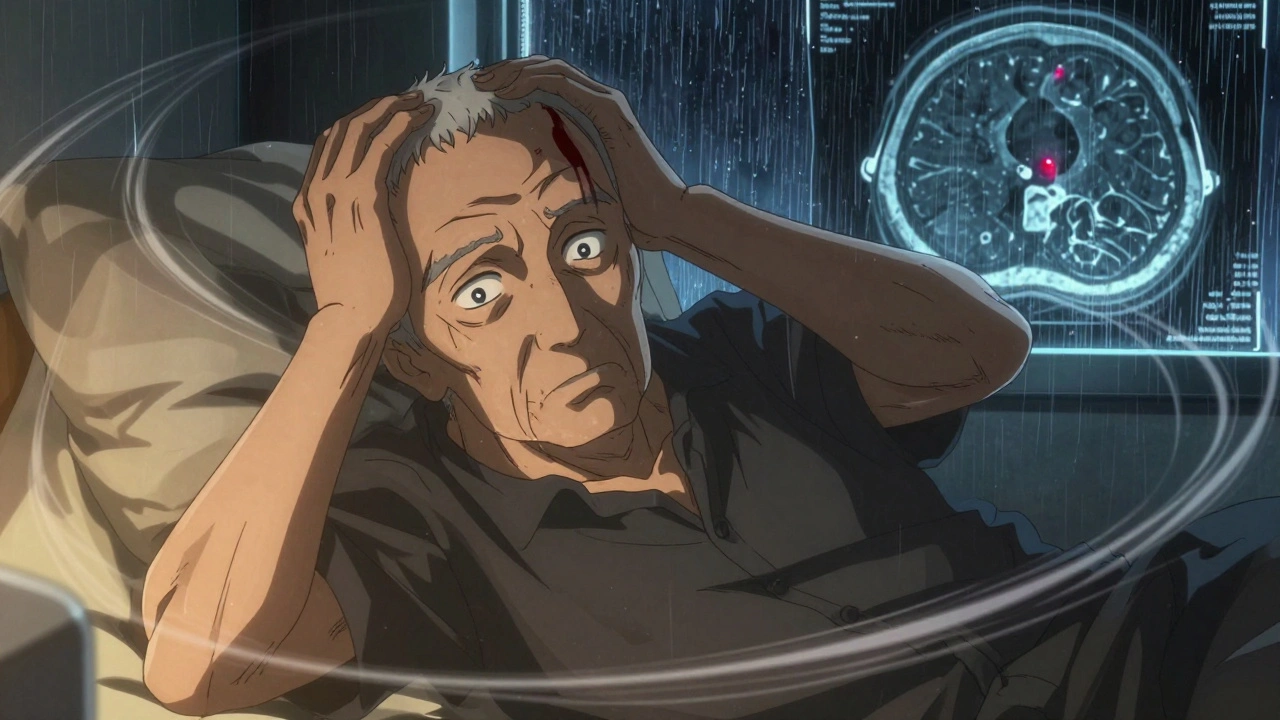
When your doctor orders a CT scan, a medical imaging test that uses X-rays and computers to create cross-sectional images of the body. Also known as computed tomography, it helps find tumors, internal injuries, blood clots, and infections — often faster than an MRI or ultrasound. Unlike a regular X-ray that flattens everything into one image, a CT scan slices your body into dozens of thin layers. That’s how doctors see exactly where something’s wrong — like a broken bone hidden under muscle, or a small bleed in the brain.
Many people worry about the radiation exposure, the amount of ionizing radiation used during the scan. A single CT scan can expose you to the same radiation as 100 to 500 chest X-rays. But for most people, the benefit of getting a clear diagnosis outweighs the risk. Still, it’s worth asking: Is this scan really necessary? Are there alternatives? Pregnant women and children are more sensitive to radiation, so doctors try to limit use unless it’s urgent.
Another common concern is the contrast dye, a liquid injected into your vein to make blood vessels and organs stand out on the scan. It helps spot tumors, blockages, or inflammation. But it can cause reactions — mild itching or nausea, or rarely, kidney issues in people with existing problems. If you’ve had a bad reaction before, tell your doctor. Also, if you’re diabetic and take metformin, you might need to pause it temporarily after the scan to protect your kidneys.
CT scans aren’t magic. They don’t show every problem — like early nerve damage or soft tissue tears as clearly as an MRI. But when speed and detail matter — like after a car crash, stroke, or severe abdominal pain — nothing beats it. They’re used in ERs, hospitals, and even some outpatient clinics because they’re fast, widely available, and accurate.
You won’t feel anything during the scan. You’ll lie on a table that slides into a big doughnut-shaped machine. It might hum or click. You’ll need to stay still, and sometimes hold your breath. The whole thing takes 5 to 20 minutes. No needles? No problem — not all scans need contrast. But if you’re nervous, ask if you can bring a friend into the room (they’ll wear lead gear). Most people walk out right after, no recovery time needed.
What you’ll find in the posts below isn’t just technical jargon. It’s real advice from people who’ve been through it — or doctors who’ve seen the consequences of skipping the right tests. You’ll learn how to prepare, what questions to ask your doctor, why some scans are repeated, and how to understand the results without getting lost in medical terms. Some posts even connect CT scans to medication safety — like how contrast dye interacts with diabetes drugs, or why certain pain meds are avoided before imaging. This isn’t just about the machine. It’s about how your body, your meds, and your choices all fit together.
If you're on blood thinners and hit your head, don't wait for symptoms-get a CT scan immediately. Even minor injuries can lead to dangerous brain bleeds that develop hours later. Here's what you need to know about when imaging is required and what to do next.