When you hear diet consistency, the practice of maintaining regular eating patterns to support stable medication response. Also known as meal timing consistency, it's not about strict diets or calorie counting—it's about keeping your food habits predictable so your meds work the way they should. If you eat a big protein shake for breakfast one day and skip meals the next, your body doesn’t just adjust to hunger—it changes how it absorbs your pills. That’s not guesswork. It’s science.
Take levodopa, a medication used to treat Parkinson’s disease that competes with amino acids for absorption in the gut. A high-protein meal can cut its effectiveness by up to 50%. The fix? Not cutting protein—just moving it to dinner. Same with levothyroxine, the thyroid hormone replacement that soy, fiber, and calcium can block. If you take it with your morning smoothie full of soy milk and flaxseed, you’re basically flushing half your dose down the drain. The solution? Take it on an empty stomach, wait 30 to 60 minutes, then eat. Simple. But only if you do it every day.
Diet consistency matters most when you’re on long-term meds. It’s not just about what you eat—it’s about when, how much, and how often. Skipping meals, drinking grapefruit juice daily, or suddenly adding a fiber supplement can all throw off your drug levels. These aren’t rare edge cases. They’re everyday mistakes that show up again and again in studies and doctor’s offices. People don’t realize their meds aren’t working because their breakfast changed, not because the drug failed.
That’s why the posts below cover real-world examples: how protein timing affects Parkinson’s treatment, why soy messes with thyroid meds, how antibiotics need an empty stomach, and even how generic drugs can behave differently if your diet shifts. You won’t find fluff here. Just clear, practical info from people who’ve seen what happens when diet and drugs don’t match up. Whether you’re managing chronic illness, helping an aging parent, or just trying to get more out of your prescriptions, the answers are in your routine—not your pharmacy.
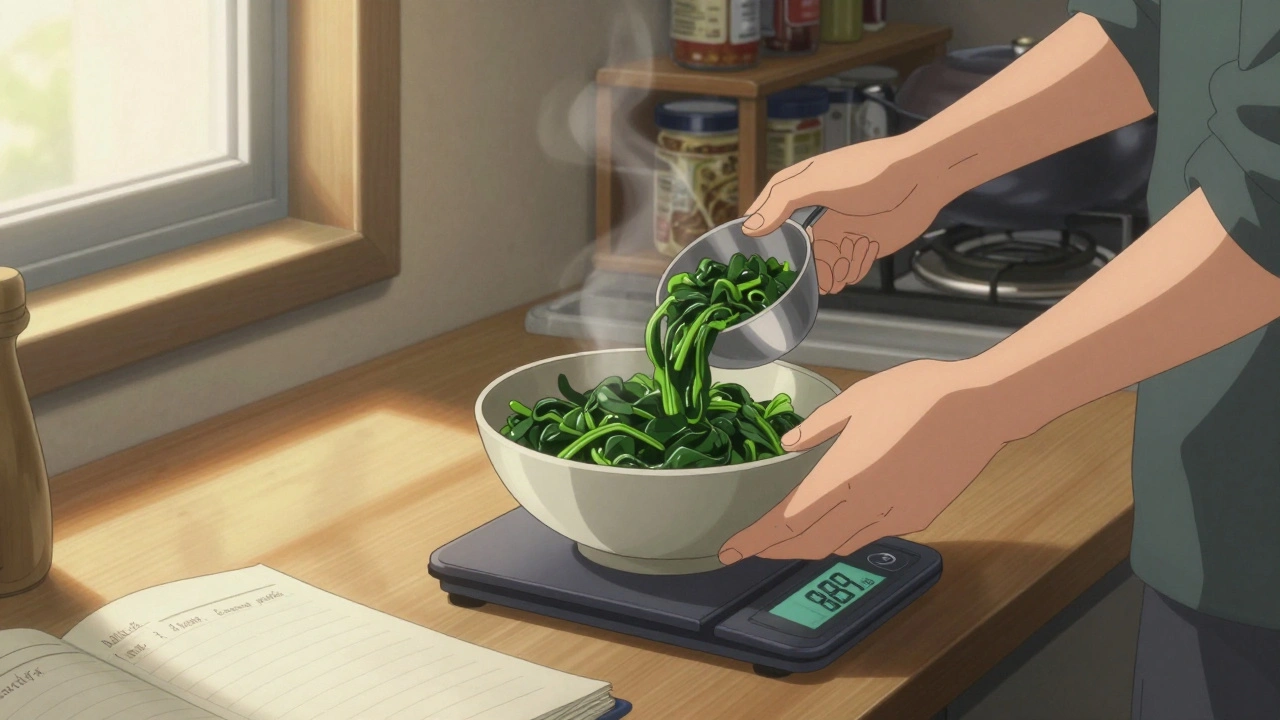
Maintaining consistent vitamin K intake is critical when taking warfarin. Learn which foods affect your blood thinning, how to track your intake, and why consistency matters more than restriction for stable INR levels.