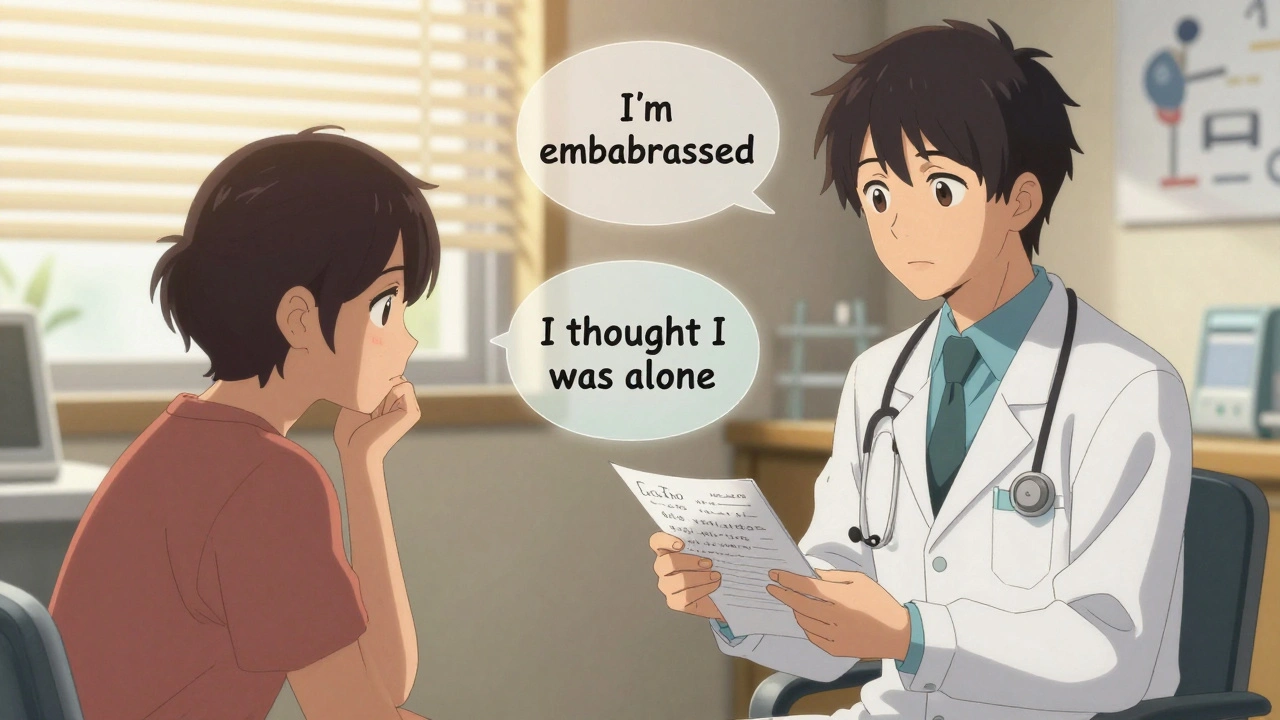
When it comes to your health, doctor communication, the clear, honest exchange between patient and provider about treatment, symptoms, and concerns. Also known as healthcare dialogue, it’s not just about listening—it’s about asking the right questions so you get the care you actually need. Too many people leave the office with a prescription but no real understanding of why they’re taking it, what to watch for, or how it might interact with their diet, other meds, or even their sleep habits. That’s not just frustrating—it’s risky. A simple miscommunication can lead to missed side effects, dangerous interactions, or unnecessary suffering.
Good doctor communication, the clear, honest exchange between patient and provider about treatment, symptoms, and concerns. Also known as healthcare dialogue, it’s not just about listening—it’s about asking the right questions so you get the care you actually need. isn’t about being loud or pushy. It’s about being prepared. Bring a list of everything you take—prescriptions, supplements, even over-the-counter painkillers. Know your symptoms in plain terms: "My legs feel heavy," not "I have generalized fatigue." If you’re on blood thinners and hit your head, don’t wait for a headache—speak up before it’s too late. If your statin makes your muscles ache, say so. Simvastatin causes more pain than others, but most doctors won’t know unless you tell them. And if soy is messing with your thyroid med, or protein is blocking your levodopa, that’s not something you should guess at—it’s something you need to name.
There’s also the hidden layer: medication side effects, unwanted physical or mental reactions caused by drugs, often overlooked because they’re common or dismissed as "normal". Also known as drug reactions, they’re the reason so many people stop taking meds they need. Mild liver enzyme spikes? Common with statins. Low sodium from an antidepressant? Happens more than you think. These aren’t rare accidents—they’re predictable patterns, and your doctor needs to hear about them to adjust your plan. You’re not being difficult. You’re helping them do their job better.
And don’t forget drug interactions, how one medication changes how another works in your body, often through diet, metabolism, or organ function. Also known as medication conflicts, they’re behind many avoidable hospital visits. That generic Tylenol you bought online? Could be fake. That new antibiotic combo? Might not be available in your state. Your insurance tier? Could be why you’re getting a different pill than your cousin. All of this matters. You don’t need to be a pharmacist. You just need to ask: "What’s this for?" "What happens if I miss a dose?" "Is there a cheaper version that works the same?"
What you’ll find below isn’t theory. It’s real, tested advice from people who’ve been there—whether it’s how to safely deprescribe meds, what to do when your liver enzymes creep up, or why mouth taping for sleep might be dangerous if you have sleep apnea. These aren’t random posts. They’re the answers to the questions you didn’t know you should be asking your doctor. And they’re written in plain language, not medical jargon. Because when it comes to your health, you deserve to understand every word.
Learn how to talk openly with your doctor about missing doses, side effects, or cost issues so you can take your medications correctly and stay healthy. Real strategies that work.