When you pick up a prescription, the drug label, the printed information on a medication container that includes dosage, warnings, and usage instructions. Also known as prescription label, it's your legal and medical roadmap for taking the drug safely. But most people glance at the name and dose—and miss everything else. That’s a mistake. A drug label isn’t just a requirement for pharmacies; it’s your first line of defense against side effects, dangerous interactions, and even life-threatening errors.
Behind every label are generic drugs, medications that contain the same active ingredient as brand-name versions but are sold under their chemical name. They’re cheaper, yes—but their labels can still hide risks. For example, a generic version of levothyroxine might not warn you that soy milk cuts absorption by 40%, or that a generic antibiotic combo might be legally unavailable in your state due to outdated laws. Even more, drug interactions, when one medication affects how another works in your body. are rarely spelled out in full. That protein-rich meal you ate with your levodopa? It could be cutting its effect in half. That OTC painkiller you took with your blood thinner? It might be raising your risk of a brain bleed. The label says "take with food"—but it doesn’t say which foods, or why.
Drug labels also don’t tell you who they were designed for. They’re written for the average adult, not the 78-year-old with three chronic conditions, or the 12-year-old on pre-op sedation. They don’t explain why your insurance moved your drug to Tier 3, or why your liver enzymes went up—but you’re still supposed to keep taking it. And while the label on your statin might list muscle pain as a side effect, it won’t tell you simvastatin carries the highest risk—or that switching to pravastatin could cut that risk in half.
What you’re holding isn’t just paper. It’s a snapshot of a system built on regulation, cost, science, and sometimes, outdated rules. The label on your antibiotic combo might say "FDA approved," but that doesn’t mean it’s available in your pharmacy. The warning about QT prolongation on your antiemetic? It’s real—but only if you know what it means. And if you’re taking sulfonylureas for diabetes, the label won’t mention the weight gain you’re experiencing—until it’s too late.
Here’s the truth: drug labels are necessary, but they’re not enough. You need to read them, question them, and know what to ask your pharmacist or doctor next. That’s why the posts below dive into the real stories behind those tiny print warnings—what they mean, what they leave out, and how to use them to protect your health. You’ll learn how to spot fake pills sold as cheap Tylenol, why expired painkillers might still be safe (or deadly), and how to decode the confusing tiers on your insurance formulary. You’ll see how genetics, food, and even your home renovation can change how your meds work. This isn’t theory. It’s what happens when you stop trusting the label—and start asking the right questions.
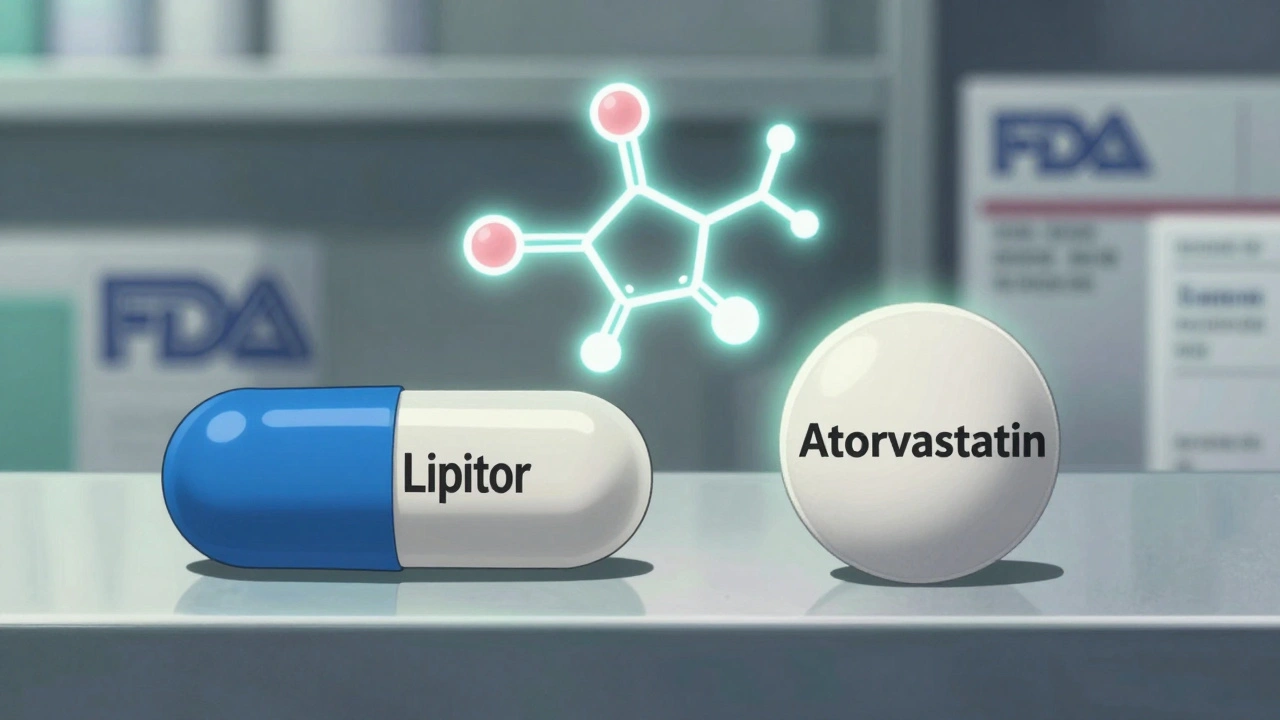
Generic drugs work the same as brand-name drugs but cost far less. Learn how the FDA ensures therapeutic equivalence, why labels look different, and when you should be cautious about switching.