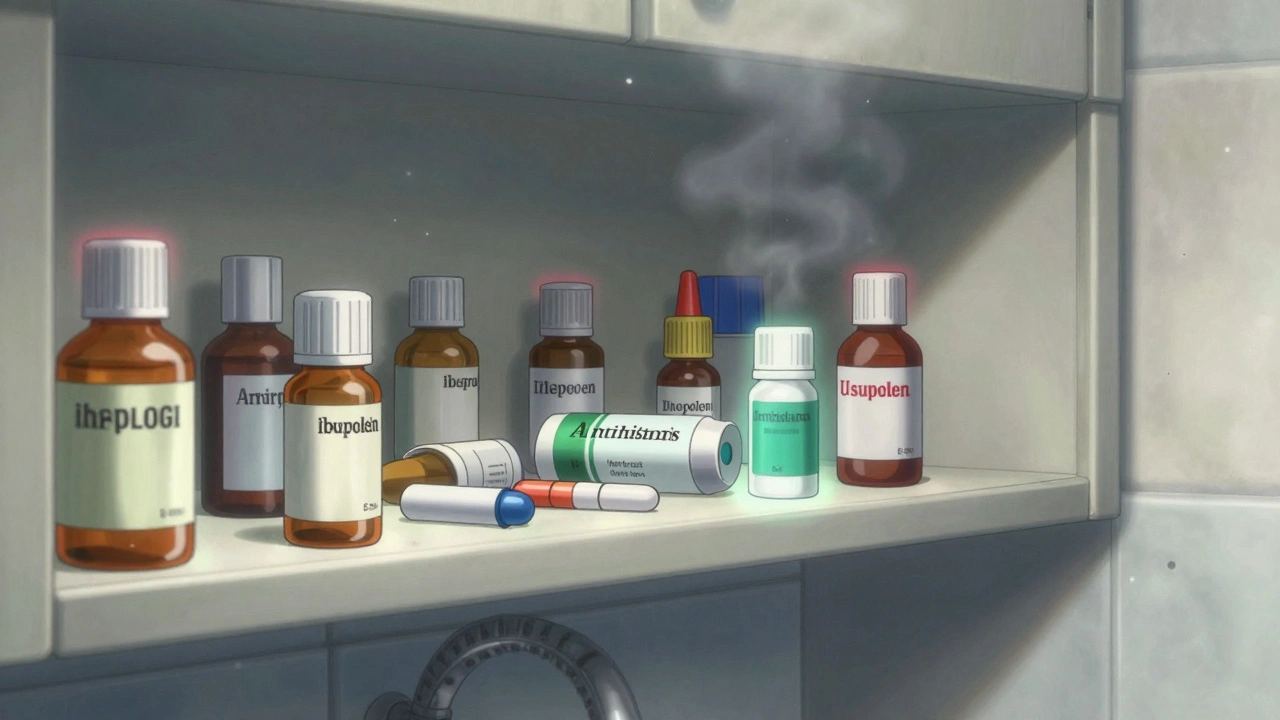
When you find an old bottle of expired painkillers, medications that have passed their manufacturer’s labeled expiration date. Also known as out-of-date pain relievers, these are often kept in medicine cabinets long after they’re needed. Most people assume they’re still safe to use—maybe even effective. But the truth is more complicated. The expiration date isn’t just a marketing trick. It’s the last day the manufacturer guarantees the drug will work as intended and remain stable under proper storage. After that, the active ingredients can break down. Some painkillers lose strength slowly. Others turn into something unpredictable.
Take acetaminophen, the main ingredient in Tylenol and many generic pain relievers. Studies show it degrades over time, especially in humid environments. A pill that was 100% potent at the factory might drop to 80% after two years. That doesn’t mean it’s dangerous—but it might not touch your headache. Worse, if the pill has been exposed to heat or moisture, it could break down into compounds that irritate your stomach or liver. And then there’s ibuprofen, a common NSAID used for pain and inflammation. It’s more stable than acetaminophen, but if it’s been sitting in a hot bathroom for five years, you’re not getting the full dose—and you might be swallowing fillers that have started to clump or mold.
Expired painkillers aren’t like milk. They won’t always make you sick. But they won’t always fix what’s broken either. And if you’re relying on them for chronic pain, migraines, or post-surgery recovery, underdosing could mean more suffering, more doctor visits, or worse, masking a serious condition that needs real treatment. The real risk isn’t just the pill itself—it’s what you’re choosing not to do because you think you’ve got a quick fix in the back of the cabinet.
What should you do? First, check the date. If it’s expired, don’t guess. Second, look for signs of damage—crumbling pills, odd smells, discoloration. If you see any, throw it out. Third, don’t flush or trash them randomly. Many pharmacies and local programs take back old meds for safe disposal. And if you’re still in pain? Talk to your doctor. There’s always a better, safer option than a bottle you found from last winter.
Below, you’ll find real, practical guides on how to handle medications safely—from tracking expiration dates to avoiding fake pills online, understanding how drugs break down over time, and even what to do when you’re stuck with old meds during a move or renovation. These aren’t theoretical tips. They’re what people actually need to stay healthy without taking unnecessary risks.
Expired over-the-counter meds aren’t always dangerous - but some can be life-threatening. Learn which ones are safe to use past their date, which ones to throw out, and how storage affects potency.