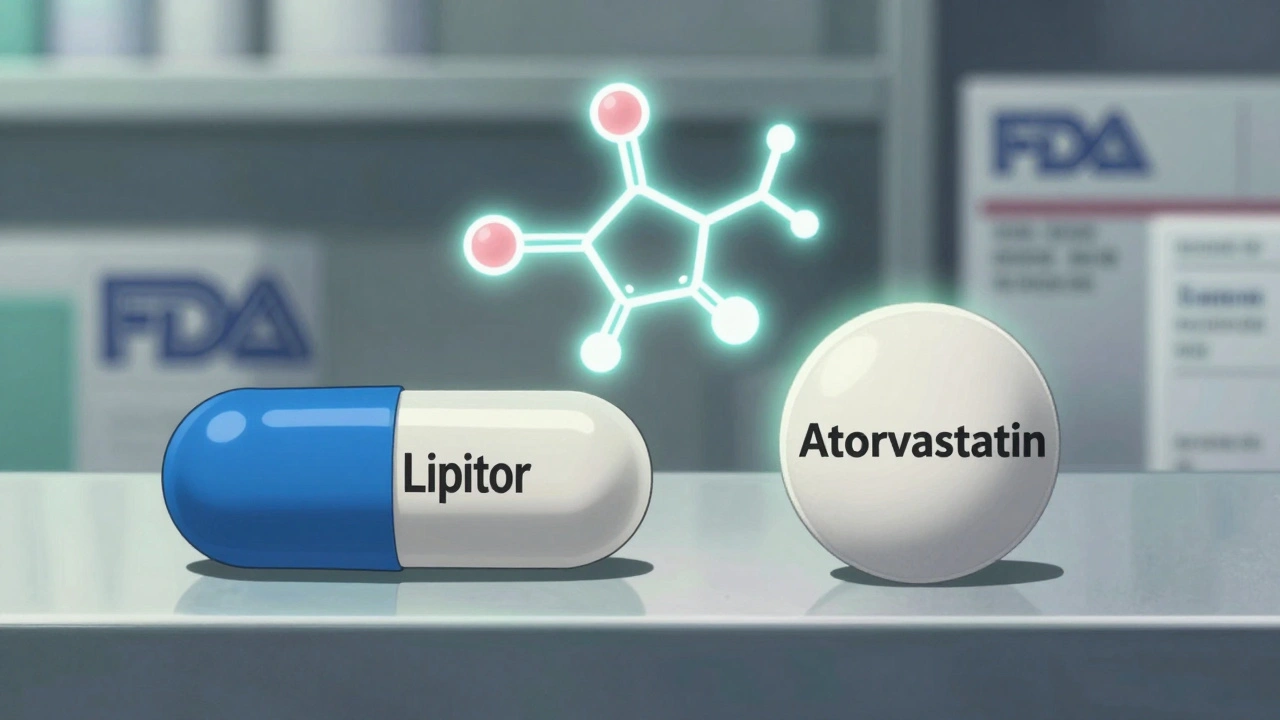
When you pick up a generic pill at the pharmacy, you might wonder: FDA therapeutic equivalence, a rating system used by the U.S. Food and Drug Administration to determine if generic drugs are interchangeable with brand-name drugs. Also known as Therapeutic Equivalence Codes, it's the official stamp that says this cheap version won’t just look similar—it will work the same way in your body. This isn’t just bureaucracy. It’s the difference between your blood pressure staying stable or suddenly spiking because you switched meds without knowing the rules.
The FDA doesn’t just approve generics because they’re cheaper. They test them for bioequivalence, how quickly and completely a drug enters your bloodstream compared to the original. If the generic releases the same amount of active ingredient at the same speed, it gets an AB rating—meaning you can swap it freely. But if it’s an AO or BX rating? That’s a red flag. Some generics aren’t interchangeable, even if they contain the same chemical. You might see this with extended-release pills, thyroid meds, or seizure drugs where tiny differences can cause big problems.
And it’s not just about the drug itself. drug substitution, the process where a pharmacist swaps a brand drug for a generic without asking your doctor—is allowed in most states, but only if the FDA says it’s safe. That’s why some pharmacies won’t substitute certain meds unless you or your doctor says yes. This system protects you from accidental changes that could throw off your treatment. But it also means you need to check your prescription label. If your pill looks different this month, ask if it’s still rated AB.
What you’ll find below is a collection of real-world stories and facts about how this system affects you. From how protein-rich meals can mess with levodopa absorption to why some generic antibiotics aren’t available even though they’re approved, these posts show how FDA therapeutic equivalence isn’t just a label—it’s a living rule that shapes your daily health choices. You’ll learn when generic substitution works perfectly, when it doesn’t, and what to do if your meds suddenly stop working after a switch. This isn’t theory. It’s what happens in your body, your pharmacy, and your insurance formulary every single day.
Generic drugs work the same as brand-name drugs but cost far less. Learn how the FDA ensures therapeutic equivalence, why labels look different, and when you should be cautious about switching.