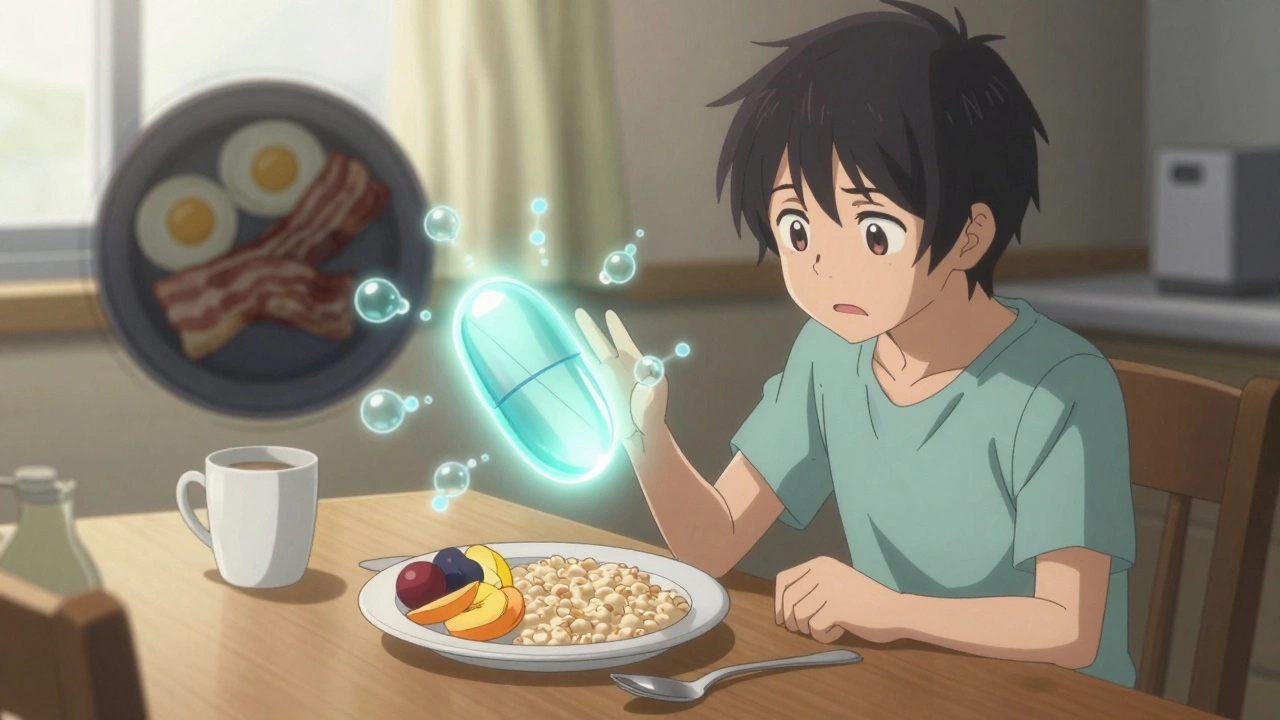
When you take a pill, it doesn’t just float through your body in a vacuum. What you eat, drink, or even supplement can change how that drug works—sometimes dangerously. food-drug interactions, the unintended effects that happen when food, beverages, or supplements interfere with how medications are absorbed, broken down, or cleared from the body. Also known as dietary interactions, these aren’t just theoretical risks—they’re why people end up in the ER after eating grapefruit with their blood pressure pill. This isn’t about avoiding all snacks. It’s about knowing which combinations actually matter.
Take levothyroxine, a thyroid hormone replacement that needs to be taken on an empty stomach for consistent absorption. Also known as Synthroid, it’s one of the most commonly prescribed drugs in the world. But if you eat soy milk, fiber-rich cereal, or calcium-fortified orange juice within a few hours, your body might absorb 40% less of it. That’s not a small drop—it can mean your thyroid stays under-treated, leading to fatigue, weight gain, or worse. Same goes for blood thinners, medications like warfarin that keep clots from forming. Also known as anticoagulants, they’re highly sensitive to vitamin K, found in leafy greens like spinach and kale. Eat more greens one week, less the next, and your INR number swings. Too high, you risk bleeding. Too low, you risk stroke.
Then there’s the grapefruit effect. grapefruit, a common breakfast fruit that blocks an enzyme in your gut called CYP3A4. Also known as citrus bergamia, it doesn’t just affect one drug—it can mess with statins, blood pressure meds, anti-anxiety pills, and even some cancer drugs. One glass can turn a safe dose into a toxic one. And it’s not just grapefruit—pomelos, Seville oranges, and some tangelos do the same. You can’t just space out your meal and your pill. The enzyme block lasts for hours.
These aren’t rare edge cases. They’re everyday risks that show up in your prescription bottle’s fine print—and get ignored. Most people don’t realize their multivitamin with iron can block antibiotics. Or that St. John’s wort can make birth control fail. Or that calcium supplements can reduce the effect of osteoporosis meds. The truth? Your kitchen is part of your treatment plan. You don’t need to give up your favorite foods. You just need to know which ones to time around your meds.
What follows is a collection of real-world cases where diet and drugs collide. You’ll see how soy affects thyroid pills, why you shouldn’t crush your meds with applesauce, what happens when you drink alcohol with painkillers, and how even something as simple as a cup of coffee can change how your body handles antidepressants. These aren’t guesses. They’re documented, proven, and sometimes life-threatening. And they’re all backed by the same kind of practical, no-fluff advice you’ll find in the posts below.
Protein-rich meals can reduce medication absorption by up to 50%, especially for drugs like levodopa. Learn how timing your protein intake-instead of cutting it-can improve drug effectiveness and daily symptom control.