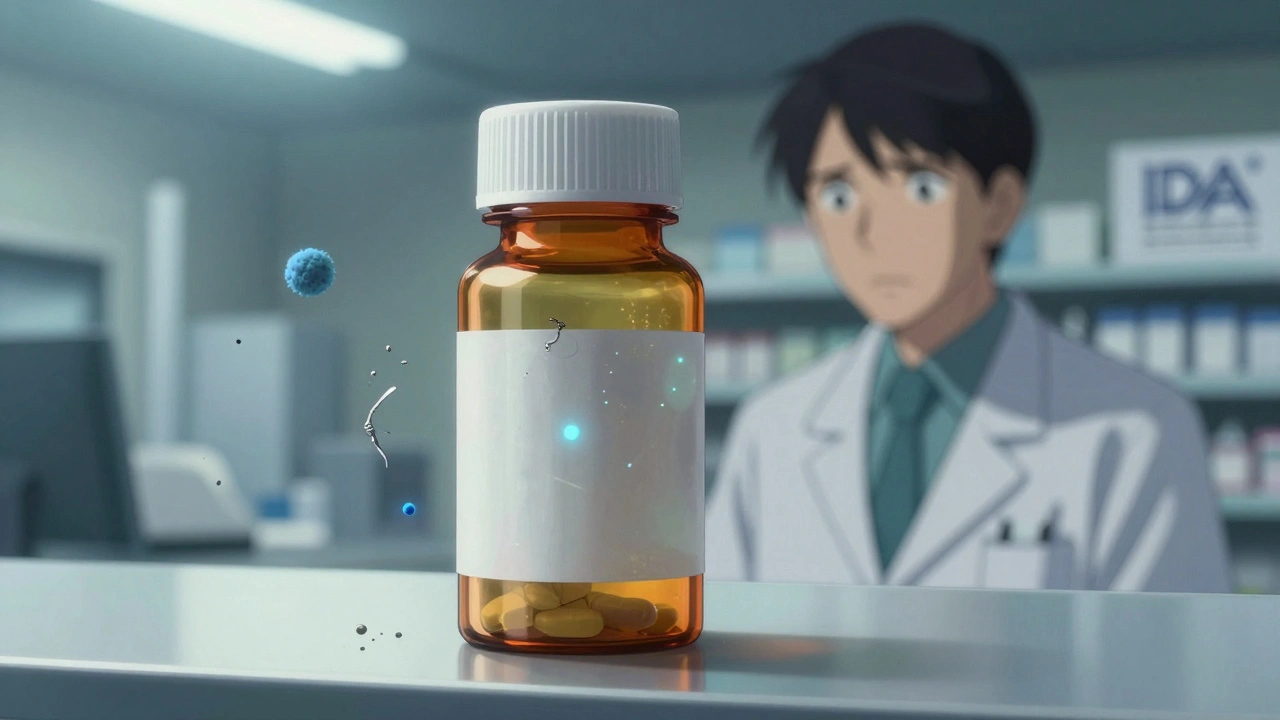
When you buy a generic drug, a lower-cost version of a brand-name medicine that must meet the same FDA standards for safety and effectiveness. Also known as generic medication, it works the same as the brand version—but only if it’s made right. The problem? Not all generic drugs are created equal. Contaminated generics, generic medications tainted with harmful substances like carcinogens, unapproved chemicals, or even foreign particles have been found in pills sold in the U.S. and abroad. These aren’t rare outliers. In the last five years, the FDA has issued over 150 recalls tied to contamination in generic drugs—from blood pressure pills to antibiotics. One batch of metformin was found to contain NDMA, a known cancer-causing agent. Another batch of valsartan had traces of a toxic impurity linked to liver damage. These aren’t mistakes. They’re often the result of cutting corners in overseas manufacturing plants with weak oversight.
Drug safety, the system of checks and balances meant to ensure medicines don’t harm patients depends on transparency, testing, and accountability. But when factories skip purity tests, falsify records, or use unapproved ingredients to save money, that system breaks. The FDA does inspect foreign plants, but it can’t be everywhere. And even when recalls happen, contaminated pills may have already reached pharmacies, mail-order services, or discount online sellers. Patients on long-term meds—like those taking generic statins, thyroid pills, or antidepressants—are especially vulnerable. A small amount of contamination over months or years can add up to serious harm. Even if your pill looks fine, smells fine, and works fine, it might still be unsafe. That’s why knowing the source matters. Buying from a trusted pharmacy, checking for FDA recall alerts, and asking your pharmacist about the manufacturer can make a difference.
FDA drug recalls, official actions taken when a medication is found to be defective, unsafe, or mislabeled are public records. You can look them up. But most people don’t. And that’s dangerous. Contamination doesn’t always cause immediate symptoms. It might quietly damage your liver, kidneys, or DNA over time. That’s why the posts below cover everything from how to spot fake pills online to why some generic drugs are more likely to be tainted than others. You’ll find real examples of contaminated meds, how manufacturers get away with it, and what you can do to protect yourself—without paying extra. This isn’t about fear. It’s about control. You deserve medicine you can trust. Let’s make sure you get it.
Generic drugs are affordable and widely used, but contamination risks are rising due to global supply chains and cost-cutting. Learn how contamination happens, who’s most at risk, and what patients and providers can do to stay safe.