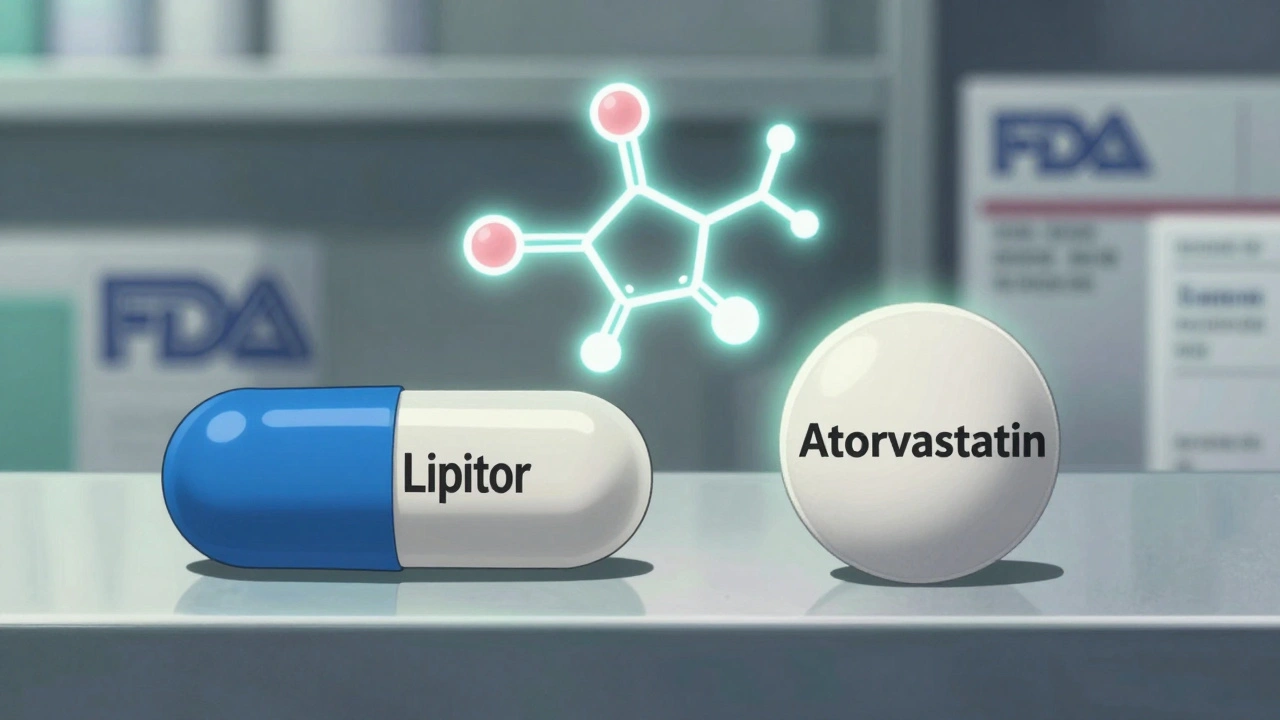
When you pick up a prescription, you might see two options: a familiar brand name or a plain generic version. Generic drugs, identical in active ingredient, dosage, and effect to brand-name versions but sold without marketing costs. Also known as generic medications, they’re not cheaper because they’re weaker—they’re cheaper because they don’t carry the price tag of advertising, fancy packaging, or patent protection. The FDA requires them to perform the same way in your body, within tight limits. So why do so many people still hesitate? It’s not about science—it’s about trust, habit, and misinformation.
Brand name drugs, the original versions developed by pharmaceutical companies after years of research and clinical trials. Also known as innovator drugs, they’re the ones you see on TV ads, often with catchy names and colorful pills. But once their patent expires, other manufacturers can legally produce the exact same medicine. That’s when generic vs brand becomes a real choice. And here’s the truth: in over 90% of cases, generics work just as well. Studies from the FDA and independent researchers show no meaningful difference in how they treat conditions—from high blood pressure to depression to infections. The only times you might notice a difference? Rare cases involving narrow therapeutic index drugs like warfarin or levothyroxine, where tiny changes in absorption matter. Even then, switching between generics from different makers can cause the same issue—so it’s not about brand vs generic, it’s about consistency. What really changes is your out-of-pocket cost. A brand-name statin might cost $150 a month. The generic? $5. That’s not a trick—it’s the system working as intended.
But here’s the catch: not all generics are created equal in how they’re made. While the active ingredient must match, the fillers, coatings, and manufacturing processes can vary. That’s why some people report feeling different after switching—even if lab tests show identical blood levels. It’s not always psychological. For example, if you’re on a drug that’s sensitive to stomach pH, a different coating might delay absorption slightly. That’s why doctors sometimes recommend sticking with one maker. But don’t assume brand is safer. The same factories often make both versions. In fact, many brand-name companies own the generic versions too. The difference is in the label, not the pill.
What you’ll find in these articles isn’t theory—it’s real-world guidance from people who’ve been there. You’ll learn how antibiotic combination products are handled differently in generics, why insurance formulary tiers push you toward generics, and how generic drug classifications affect what your pharmacy can give you. You’ll also see how genetic drug response can make one person react differently to a generic than another, and why some people get away with expired generics while others can’t risk it. There’s no one-size-fits-all answer, but there is a clear path to saving money without sacrificing safety—if you know what to look for.
Generic drugs work the same as brand-name drugs but cost far less. Learn how the FDA ensures therapeutic equivalence, why labels look different, and when you should be cautious about switching.