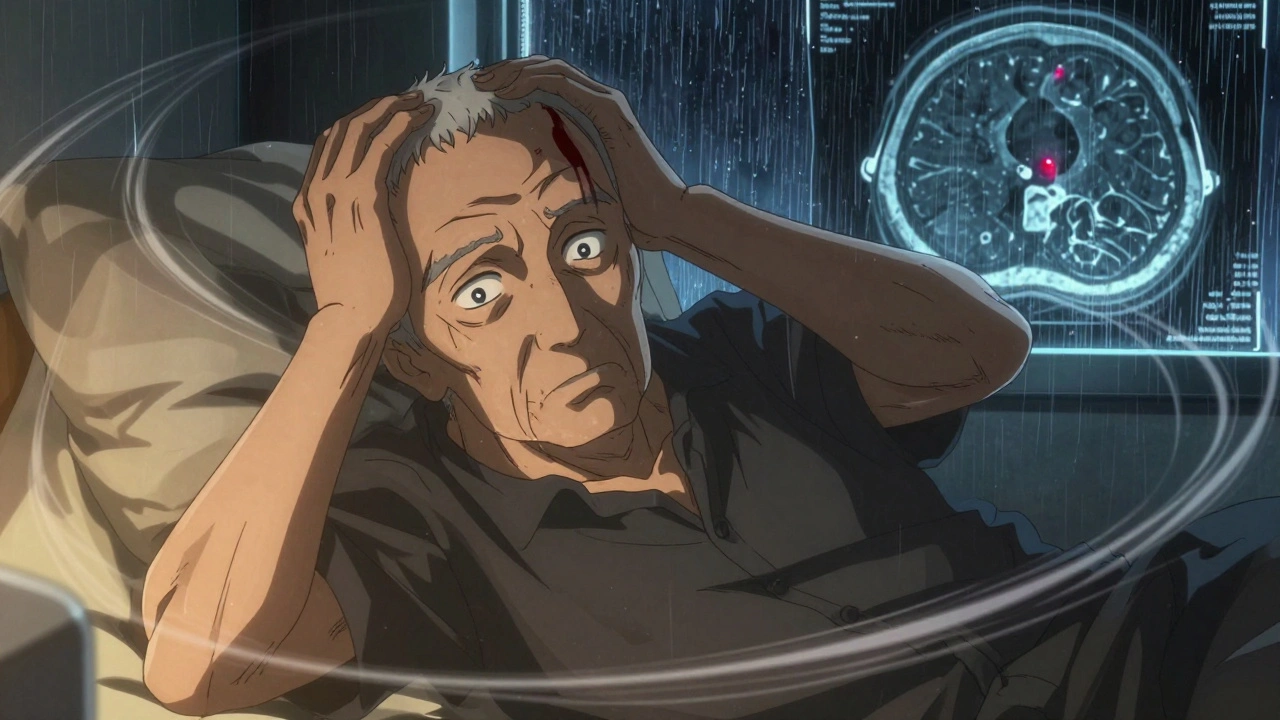
When you hit your head, it’s not just a bump—it’s a potential head injury, any damage to the brain, scalp, or skull from an external force. Also known as traumatic brain injury, it can be mild, like a concussion, a temporary brain dysfunction caused by a blow or jolt to the head, or severe, with lasting effects on memory, movement, or mood. Even if you feel fine right after, the real danger often shows up hours or days later.
Many people don’t realize that common painkillers like ibuprofen or aspirin can make bleeding inside the skull worse after a head injury. On the flip side, some meds—like antidepressants or sleep aids—can mask symptoms that should be monitored closely. If you’re on chronic medication for something like high blood pressure or epilepsy, a head injury can change how your body handles those drugs. That’s why timing, dosage, and doctor guidance matter more than ever. A traumatic brain injury, an injury caused by a sudden trauma that disrupts normal brain function doesn’t always show up on a CT scan, but it can still change how you think, feel, or move. And if you’re recovering at home, knowing which symptoms are normal versus warning signs can make all the difference.
Recovery isn’t just about rest—it’s about smart choices. Too much screen time, skipping sleep, or rushing back to work can delay healing. Even something as simple as eating protein-rich meals at the wrong time can interfere with medications you might be prescribed. And if you’re older, or on multiple drugs, the risks stack up fast. That’s why so many of the articles below focus on what happens after the initial injury: how meds interact with brain recovery, what over-the-counter drugs to avoid, and how to spot hidden complications like low sodium or liver stress from painkillers. You’ll find real-world advice on managing symptoms, tracking progress, and knowing when to go back to the doctor—no fluff, no guesswork.
Below, you’ll find practical guides from people who’ve been there—whether it’s understanding why a mild head injury can still trigger long-term confusion, how to safely use pain relief without risking liver damage, or what to do if you’re on antidepressants and take a fall. These aren’t theoretical tips. They’re the kind of info that helps you avoid a second trip to the ER.
If you're on blood thinners and hit your head, don't wait for symptoms-get a CT scan immediately. Even minor injuries can lead to dangerous brain bleeds that develop hours later. Here's what you need to know about when imaging is required and what to do next.