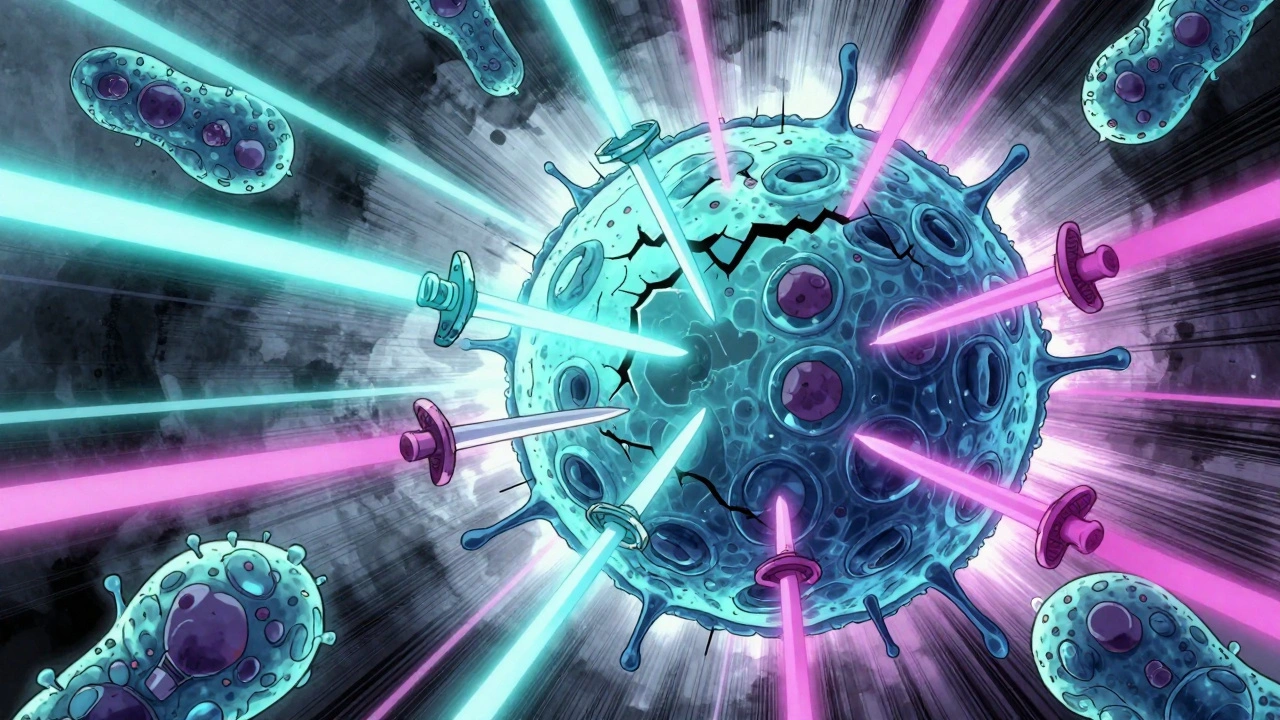
When you take an antibiotic, a medicine designed to kill or stop the growth of bacteria. Also known as antibacterial agents, they don’t touch viruses, fungi, or your own cells — only the bad guys that make you sick. That’s why your doctor won’t give you one for a cold or the flu. Those are viral, and antibiotics are useless against them. But when you’ve got strep throat, a bad sinus infection, or pneumonia caused by bacteria, antibiotics can be life-saving.
They work in two basic ways: some antibiotics, like penicillin and amoxicillin. Also known as beta-lactams, they break open the bacterial cell wall so the bug literally bursts. Others, like tetracyclines, including doxycycline. Also known as protein synthesis inhibitors, they shut down the bacteria’s ability to build proteins — no proteins, no reproduction. Then there are fluoroquinolones, like ciprofloxacin. Also known as DNA gyrase inhibitors, they scramble the bacteria’s genetic code so it can’t copy itself. Each type has its target, and doctors pick based on what’s likely causing your infection.
But here’s the catch: bacteria adapt. Every time you take an antibiotic — especially if you don’t finish the full course or take it when you don’t need it — you’re giving surviving bacteria a chance to evolve. That’s how antibiotic resistance happens. Superbugs like MRSA aren’t science fiction; they’re real, and they’re growing because we’ve overused these drugs. Even more worrying, some antibiotics are now failing against common infections like urinary tract infections and ear infections. The World Health Organization calls this one of the biggest threats to global health.
It’s not just about taking the pill. Your body’s microbiome — the trillions of good bacteria living in your gut, skin, and mouth — also gets hit. That’s why diarrhea, yeast infections, and upset stomachs are common side effects. Some antibiotics even affect your liver or kidneys if you’re on them long-term. And while generic antibiotics, like those sold under brand names such as Zithromax or Amoxil. Also known as generic drug equivalents, they’re chemically identical to brand versions, the real issue isn’t cost — it’s misuse. People grab leftover pills from last year’s infection, share them with family, or buy them online without a prescription. That’s how resistance spreads faster.
What you can do? Only take antibiotics when a doctor confirms it’s a bacterial infection. Always finish the full course, even if you feel better. Never save them for later. And if you’re on one, watch for side effects — especially if you’re older, have kidney issues, or take other meds. Your body isn’t a battleground; it’s an ecosystem. Antibiotics are powerful tools, but they’re not magic. Use them right, and they’ll keep working. Use them wrong, and the next time you’re sick, there might be nothing left to help.
Below, you’ll find real-world guides on how antibiotics are prescribed, what happens when they don’t work, how to spot fake or unsafe versions, and why mixing them with other drugs can backfire. These aren’t theory pieces — they’re based on what patients and doctors actually deal with every day.
Learn how different classes of antibiotics work against bacterial infections, from penicillins to fluoroquinolones, and why choosing the right one matters in the age of antibiotic resistance.