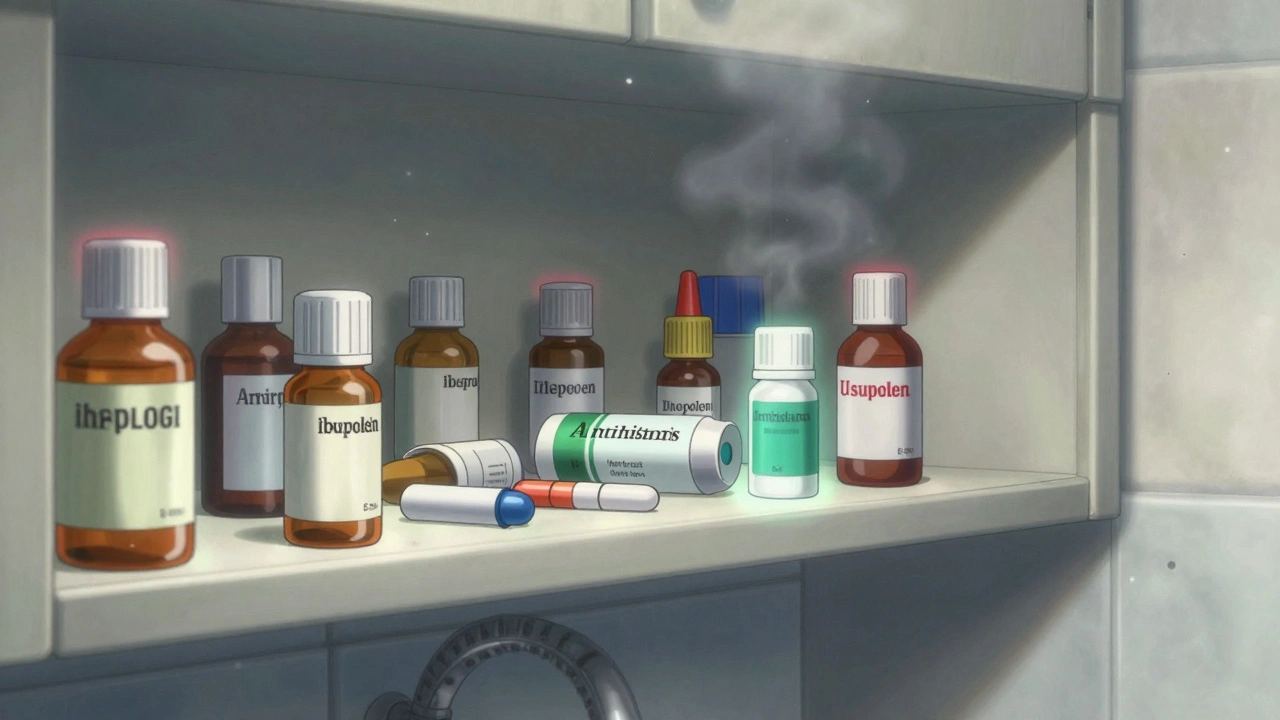
When you see an expiration date on your medicine, it’s not just a random number—it’s the manufacturer’s guarantee that the drug will work as expected until that day. But here’s the truth: many pills and liquids stay safe and effective long after that date. The expiration date isn’t a "use-by" deadline like milk—it’s a legal limit set by the company, not a safety cutoff. The FDA’s own studies show that 90% of medications retain their potency for years beyond the printed date, even in home conditions. What changes isn’t safety, it’s strength. A 10-year-old aspirin won’t hurt you, but it might not stop your headache like it should.
Not all drugs are the same. Liquid antibiotics, insulin, and nitroglycerin are the big exceptions—they break down fast and can become dangerous if used past expiration. But your ibuprofen, antihistamines, or blood pressure pills? They’re often fine. The real risk isn’t the date on the bottle—it’s how you store them. Heat, moisture, and light are the real killers. Keep your meds in a cool, dry place, not the bathroom cabinet or the dashboard of your car. A drawer in your bedroom is better than any fancy medicine cabinet. If your pills smell funny, look discolored, or crumble when you touch them, toss them. But if they look and smell normal? Chances are they’re still good.
Expired medication storage practices matter more than the date. A 2020 study from the University of Washington found that tablets stored in sealed blister packs in a dry room retained over 95% potency 15 years past expiration. That’s not luck—it’s chemistry. The active ingredients in most pills are stable solids. They don’t suddenly turn toxic. What you’re really worried about is whether the dose will still work. If you’re managing a chronic condition like high blood pressure or diabetes, don’t gamble. Replace expired meds. But if you’re out of ibuprofen and have a 3-year-old bottle in the drawer? It’s probably still helping. The expired medication safety question isn’t about fear—it’s about smart choices. Know which drugs are risky, know how to store them, and don’t panic over a date that’s just a suggestion.
What you’ll find below are real, practical stories from people who’ve dealt with expired pills, misunderstood labels, and storage mistakes. Some saved money by using old meds. Others got sick because they didn’t know the difference between a safe delay and a real danger. We cover how to check if your meds are still good, what to do if you find an old bottle in the back of your cabinet, and why some pharmacies won’t refill a prescription even if the drug is perfectly fine. This isn’t theory—it’s what happens when people stop trusting the label and start trusting their own judgment.
Expired over-the-counter meds aren’t always dangerous - but some can be life-threatening. Learn which ones are safe to use past their date, which ones to throw out, and how storage affects potency.