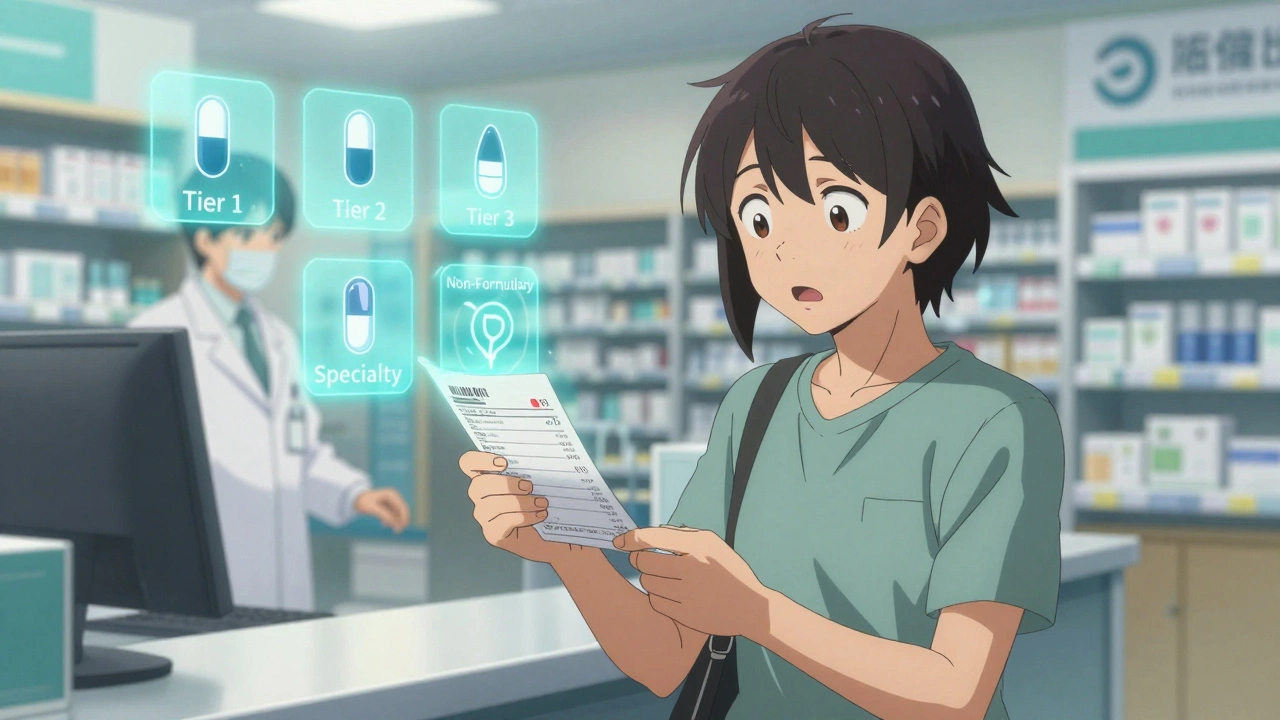
When your doctor prescribes a medication and your pharmacy says it’s non-formulary drugs, medications not approved by your health plan’s preferred list. Also known as non-preferred drugs, these are often more expensive because your insurance doesn’t cover them the same way—or at all. It’s not that they’re unsafe. It’s that your plan has picked a shorter list of drugs they think work just as well, for less money.
Most insurance plans build a formulary, a list of approved medications they cover at lower costs to control spending. These lists are based on clinical evidence, cost, and how often a drug is used. If your prescription isn’t on that list, you’re stuck paying full price unless you jump through hoops. That’s where drug restrictions, rules insurers use to limit access to certain meds come in. You might need prior authorization, step therapy (try cheaper drugs first), or a letter from your doctor just to get the one you were prescribed.
Why does this happen? It’s not personal. Insurers look at data—like how many people get side effects, how much a drug costs compared to alternatives, and whether generics are available. For example, if a brand-name statin costs $300 a month but a generic version works just as well for $10, the formulary will push the cheaper option. That’s why you’ll often see generic medications, chemically identical versions of brand-name drugs sold at lower prices at the top of formularies. But sometimes, your body reacts differently. Maybe you’ve tried three generics and still can’t tolerate them. Or your condition needs a specific formulation. That’s when you need to fight for access.
Here’s what actually works: Talk to your doctor. They can file a prior authorization request, switch you to a formulary alternative, or even appeal the decision. Many people don’t know they can ask for a drug exception—especially if they’ve been on a non-formulary drug for years. Insurance companies sometimes approve it if you show proof it’s the only thing that works. Also, check if the manufacturer offers patient assistance programs. Some drug makers give free samples or discounts to people who can’t afford their meds.
Don’t assume you’re stuck paying full price. A lot of non-formulary drugs have cheaper, equally effective cousins on the formulary list. For example, if you’re on a non-formulary antibiotic combo, there’s likely a generic version your plan covers. Same with statins, SSRIs, or diabetes meds. The key is asking the right questions: Is there a generic? Is there a similar drug on the formulary? Can we try it first? Your pharmacist can help you compare costs and alternatives faster than you can Google it.
The posts below break down exactly how these systems work—why some meds get excluded, how insurance decisions affect real patients, and what you can do when your prescription gets denied. You’ll find real stories about people who got stuck with $500 bills for meds that should’ve cost $20, and how they fixed it. There are guides on how to appeal denials, how to find free samples legally, and even how to talk to your doctor without sounding demanding. This isn’t about beating the system. It’s about understanding it so you don’t get left behind.
Understand how insurance formulary tiers work - Tier 1 to non-formulary - and how they affect your prescription costs. Learn what each tier means, why drugs move between them, and how to save money.