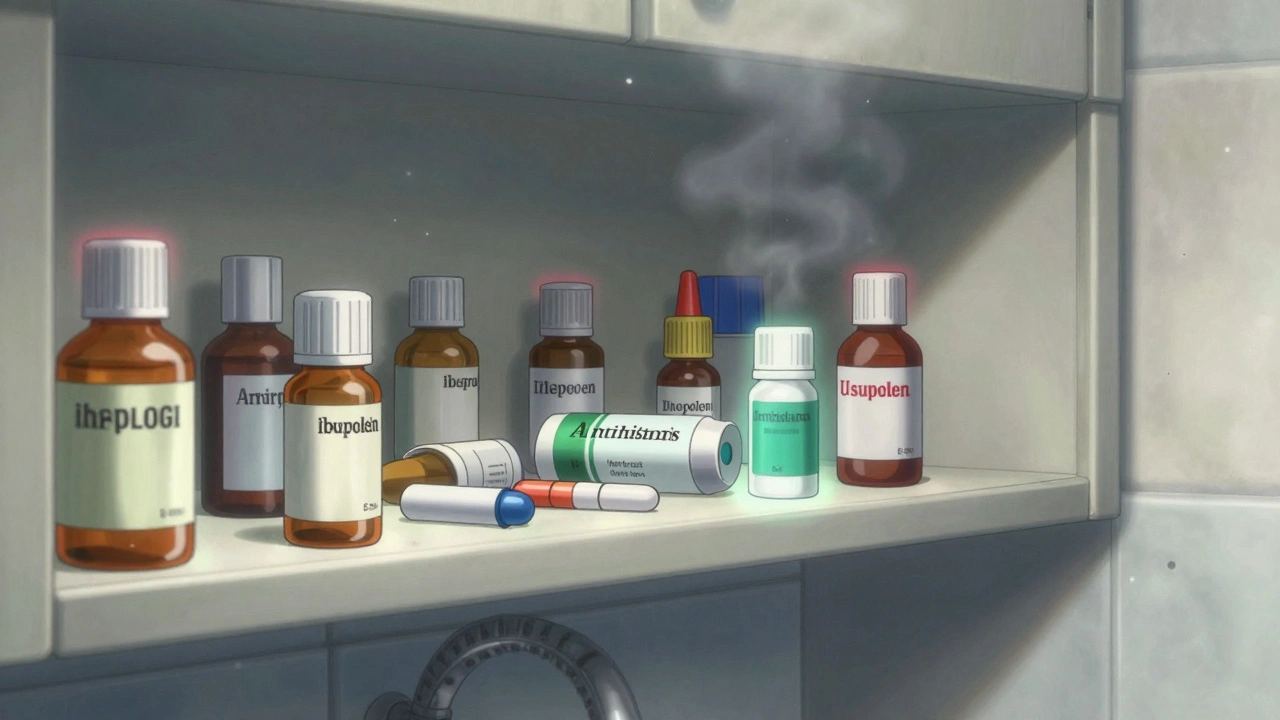
When you pick up an OTC drug, a medication you can buy without a prescription, often used for common symptoms like pain, allergies, or heartburn. Also known as non-prescription medicine, it’s meant to be safe and simple—but that doesn’t mean it’s harmless. Millions reach for aspirin, ibuprofen, or antihistamines every day without thinking twice. But what seems like a quick fix can turn into a hidden risk if you’re on other meds, have liver issues, or don’t know what’s really in the bottle.
Many generic medications, the cheaper, identical versions of brand-name drugs approved by health regulators are sold as OTC. They work the same as the name-brand versions, but people often assume they’re safer because they’re cheaper. That’s not true. A generic acetaminophen pill carries the same liver risk as Tylenol. And if you’re already taking a prescription statin or an SSRI, adding an OTC painkiller or cold medicine might be stacking up dangerous interactions. The drug interactions, when two or more medications affect each other’s effects or safety in the body aren’t always listed clearly on the label. Some OTC drugs can raise blood pressure, worsen kidney function, or trigger confusion in older adults—especially when taken daily.
It’s not just about what’s in the pill. It’s about how you use it. People take OTC drugs for weeks or months without realizing they’re masking symptoms, not treating causes. A constant headache? Maybe it’s stress. A bloated stomach? Maybe it’s your diet. But popping antacids every day can lead to nutrient loss or rebound acid reflux. And if you’re buying cheap OTC meds online, you could be risking fake pills with wrong doses or toxic fillers. Even something as simple as ibuprofen can cause stomach bleeding if used too long. The real danger isn’t the drug itself—it’s the lack of awareness around it.
Some OTC drugs are more risky than others. For example, pseudoephedrine can spike heart rate. Diphenhydramine (found in sleep aids and allergy pills) causes dizziness and memory problems in older people. And combining multiple products—like a cold medicine with acetaminophen and a sleep aid with the same ingredient—can lead to accidental overdose. You don’t need a doctor’s note to buy these, but you do need to understand them.
Below, you’ll find real, practical breakdowns of what’s happening when you take common OTC drugs. From how statins and liver enzymes connect to why soy messes with thyroid meds, to how insurance tiers affect what you pay and why some people get muscle pain from pain relievers. These aren’t theory pieces. They’re based on patient experiences, clinical data, and the kind of details you won’t find on a drug label. Whether you’re managing chronic pain, caring for an older parent, or just trying to avoid a bad reaction, this collection gives you the facts you need to make smarter choices.
Expired over-the-counter meds aren’t always dangerous - but some can be life-threatening. Learn which ones are safe to use past their date, which ones to throw out, and how storage affects potency.