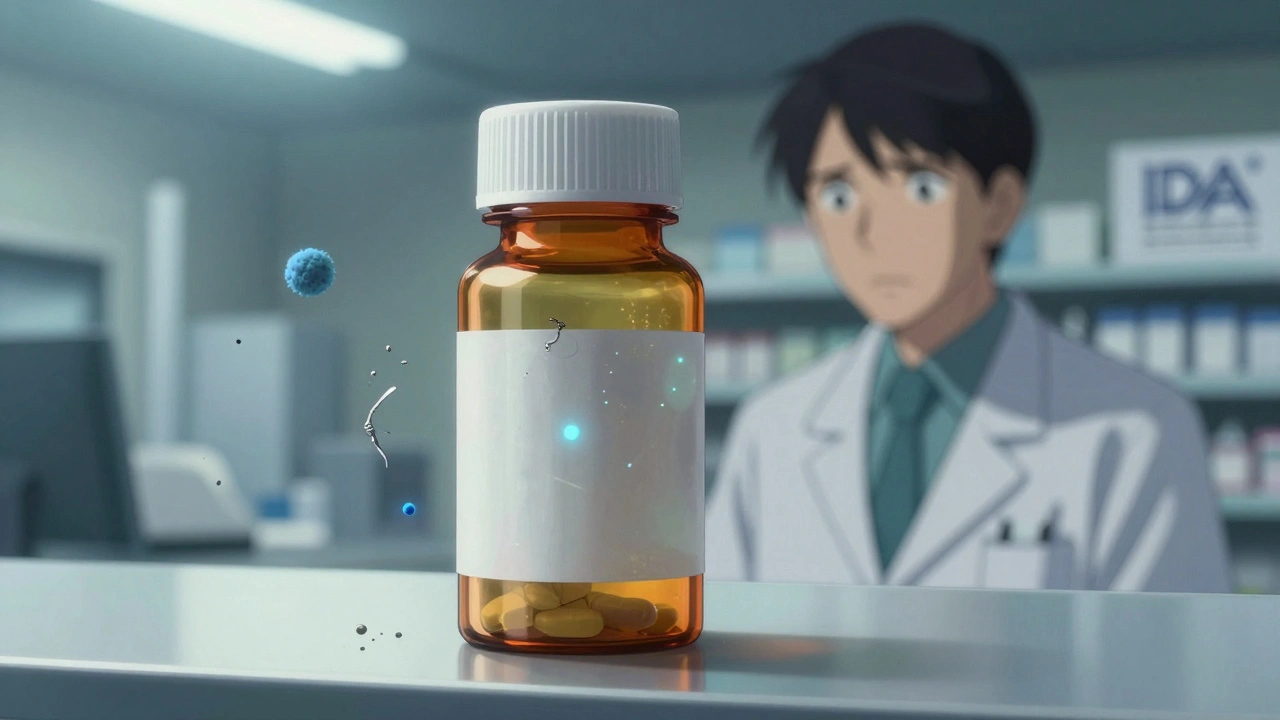
When you take a pill, you expect it to do what it says on the label—not carry hidden toxins, foreign particles, or unsafe chemical byproducts. Pharmaceutical contamination, the presence of unintended substances in medications that can harm health or reduce effectiveness. Also known as drug impurity, it’s not just a lab issue—it’s a patient safety problem. This isn’t about counterfeit pills you find online. It’s about real drugs made in regulated factories that still slip through with traces of solvents, heavy metals, or even microbes because of sloppy processes or outdated equipment.
Generic drugs, medications that copy brand-name drugs after patents expire. Also known as non-brand drugs, they’re a huge part of modern healthcare—cheaper, widely used, and just as effective when made right. But they’re also more likely to be produced in high-volume, low-cost facilities where quality control can slip. That’s why manufacturing standards, the rules that govern how drugs are made, tested, and documented to ensure safety matter so much. The FDA and global agencies require GMP—Good Manufacturing Practices—but not every country enforces them the same way. A batch of pills made in one facility might pass inspection, while another batch from the same company, made in a different plant, could have invisible contamination.
Contamination doesn’t always show up on a label. It could be a tiny amount of a carcinogen left over from a chemical reaction, or a mold spore in a capsule that survived sterilization. It could be a drug that’s broken down over time because it was stored in heat or humidity. Even drug purity, the measure of how much of a medication is the active ingredient versus unwanted substances isn’t always 100%. Regulatory limits allow small amounts of impurities—but when those limits are ignored, or when multiple batches pile up with small violations, the risk adds up.
Some contamination events have led to recalls of heart meds, antibiotics, and even common painkillers. One batch of blood pressure pills was pulled because it contained a cancer-causing chemical. Another had traces of a neurotoxin from a shared production line. These aren’t rare. They happen more often than you hear about. And while most people won’t get sick from a single pill, long-term exposure—even to tiny amounts—can be dangerous, especially for kids, seniors, or people with chronic conditions.
So what can you do? You can’t test your pills at home. But you can ask questions. Where was this made? Is it from a trusted supplier? Did your pharmacy switch to a new generic brand? If your medication suddenly doesn’t work the same, or you notice new side effects, it might not be your body changing—it could be the pill changing. Keep your meds in a cool, dry place. Don’t buy from random online sellers. And if you’re on a critical drug—like blood thinners, insulin, or seizure meds—stick with the same brand or generic maker unless your doctor says otherwise.
The posts below dig into real cases, hidden risks, and how the system works—whether it’s how antibiotics get mixed with impurities during production, why generic drug labels don’t tell you the whole story, or how storage and aging can turn a safe pill into a risky one. You’ll find what to watch for, who’s responsible, and how to protect yourself without becoming a conspiracy theorist. This isn’t about fear. It’s about awareness.
Generic drugs are affordable and widely used, but contamination risks are rising due to global supply chains and cost-cutting. Learn how contamination happens, who’s most at risk, and what patients and providers can do to stay safe.