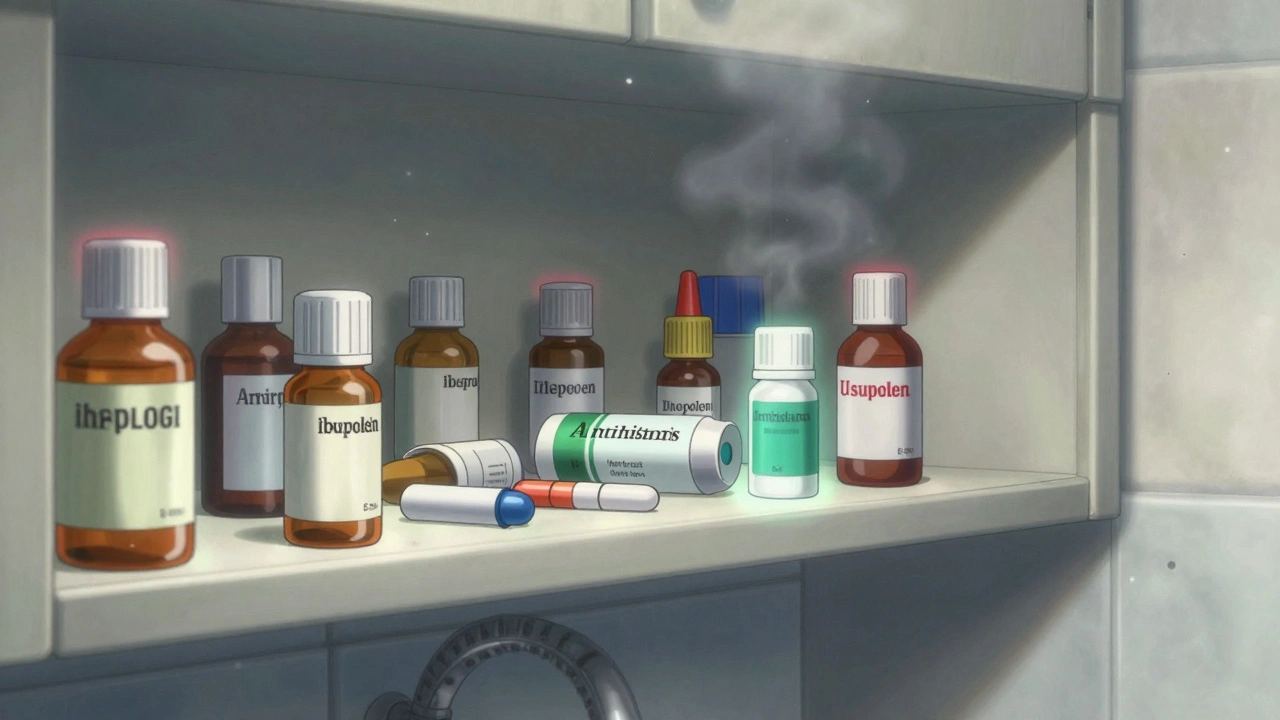
When you take a pill, you’re not just swallowing a chemical—you’re trusting a system that’s full of hidden risks. Safe medication use, the practice of taking drugs correctly to avoid harm while getting real benefits. Also known as responsible drug use, it’s not about following every label blindly—it’s about knowing when to question, when to pause, and when to speak up. Too many people assume that if a doctor prescribed it, it’s automatically safe. But the truth is, most medication-related hospital visits happen because of simple mistakes: mixing pills, ignoring side effects, or taking something long after it’s needed.
One of the biggest dangers isn’t the drug itself—it’s the pile. Deprescribing, the process of safely stopping medicines that no longer help or might hurt. Also known as medication reduction, it’s a quiet revolution in older adult care. Studies show that people over 65 often take five or more drugs, and half of those aren’t actually needed. Think about it: if you’re on a pill for acid reflux that’s been sitting in your cabinet for three years, is it still helping—or just adding to the risk of falls or kidney damage? And then there’s drug interactions, when two or more medications react in ways that change their effect. Also known as medication conflicts, they’re behind many ER visits. Soy blocking your thyroid med? Statins causing muscle pain you didn’t know was linked? Generic antibiotics you can’t get because of state laws? These aren’t edge cases—they’re everyday problems.
Safe medication use isn’t about being scared of pills. It’s about being smart with them. It’s knowing that a cheap online Tylenol might be fake and deadly. It’s understanding why your insurance puts your drug on Tier 3 and what that really means for your wallet. It’s realizing that a medication sample from your doctor’s office has an expiration date—and that date matters. It’s asking if that antidepressant is making your sodium levels drop, or if that heart pill is doing more harm than good. The posts below give you real stories, real data, and real steps to take control. You’ll find out which statins are safest, how to talk to your doctor about cutting back, why your birth control might be hurting your milk supply, and how to spot a fake pill before you swallow it. This isn’t theory. This is what happens when people stop trusting the system—and start trusting themselves.
Expired over-the-counter meds aren’t always dangerous - but some can be life-threatening. Learn which ones are safe to use past their date, which ones to throw out, and how storage affects potency.