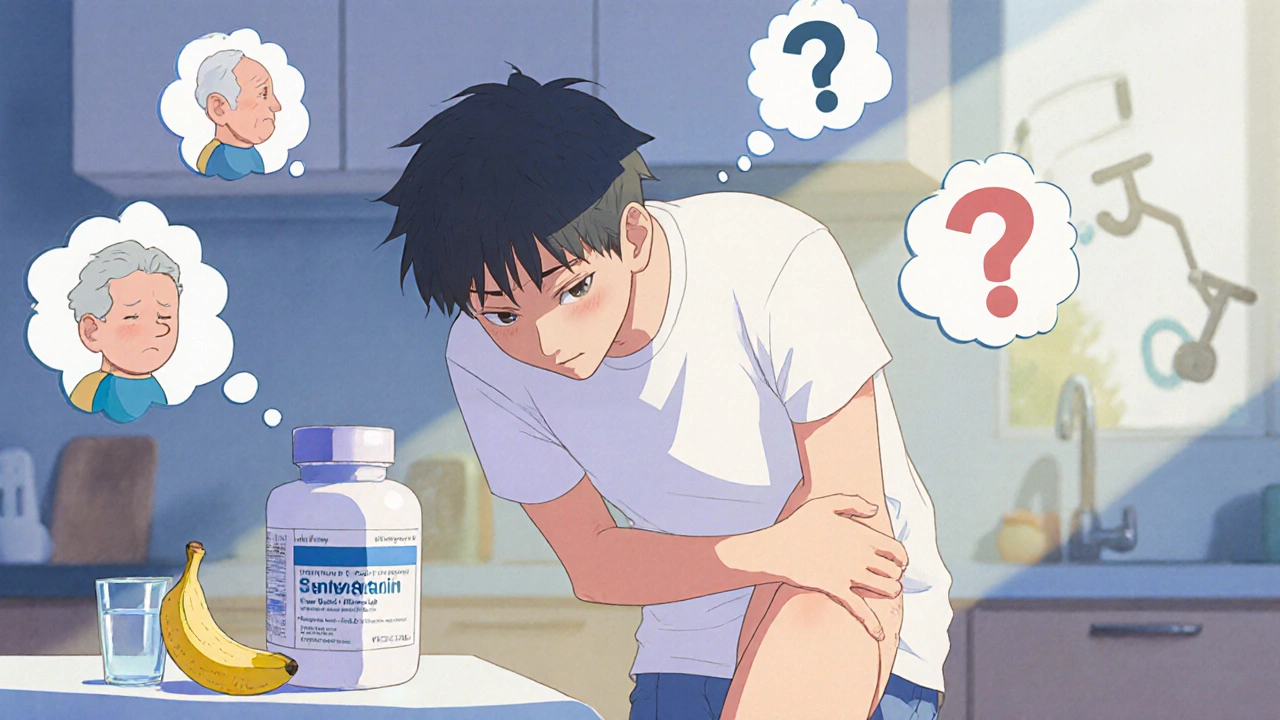
When someone can’t take statin intolerance, a condition where patients experience unacceptable side effects from cholesterol-lowering statin drugs. Also known as statin-associated muscle symptoms, it’s not just about feeling sore—it’s when the side effects make continuing the drug impossible, even at low doses. Many people assume statins are safe for everyone, but up to 1 in 10 users report muscle pain, weakness, or fatigue so severe they stop taking them. This isn’t always in their head. Real biochemical reactions, genetic differences, and drug interactions can turn a lifesaving pill into something that feels worse than the condition it’s meant to treat.
Statin side effects, the physical reactions triggered by cholesterol-lowering medications like atorvastatin or simvastatin often show up as muscle discomfort, but they can also include liver enzyme spikes, brain fog, or even digestive upset. Not everyone gets them, and not every ache means you’re intolerant. But if you’ve tried lowering the dose, switching brands, or waiting it out—and nothing helps—it’s time to look beyond the pill. Cholesterol medication alternatives, other treatments used when statins fail, including ezetimibe, PCSK9 inhibitors, or bempedoic acid exist, and many work without triggering the same reactions. Some people find relief by switching to a different statin, like rosuvastatin, which has a lower risk of muscle-related issues. Others benefit from combining non-statin drugs with lifestyle changes that actually lower LDL, not just mask it.
Statin intolerance doesn’t mean you’re doomed to high cholesterol. It means your body is telling you something. Genetics play a big role—some people have a variant in the SLCO1B1 gene that makes them absorb statins too slowly, leading to buildup and side effects. Others react to inactive ingredients in certain brands. And let’s not forget: if you’re also taking a fibrate, certain antibiotics, or even grapefruit juice, your risk goes up. The key isn’t to avoid treatment—it’s to find the right one. That’s why you’ll find real stories here about people who stopped statins, kept their heart healthy, and lived better. You’ll see what worked, what didn’t, and how to talk to your doctor about options that actually fit your life.
Below, you’ll find practical posts on how mild liver enzyme changes relate to statin use, how family history affects your response to meds, and what to do when common treatments fail. This isn’t theory. It’s what real people have lived through—and what you can use to take back control.
Simvastatin has the highest risk of muscle pain among statins, but most muscle discomfort isn't caused by the drug. Learn which statins are safest and what to do if you're experiencing pain.