When you take meds as prescribed, following your doctor’s exact instructions for dosage, timing, and duration. Also known as medication adherence, it’s the single most important factor in whether a treatment works—or fails. It’s not about being perfect. It’s about consistency. Skip a dose of your blood pressure pill? Your numbers spike. Stop your antibiotic early? The infection comes back stronger. Mix your thyroid med with soy milk? Your body absorbs less than half of what it needs. These aren’t myths. They’re documented risks backed by real patient data.
Doctors don’t write prescriptions randomly. Every detail—the 8 a.m. timing, the empty stomach rule, the 10-day course—is based on how your body processes that drug. For example, levodopa for Parkinson’s loses up to 50% of its effect if taken with protein-rich meals. Statins like simvastatin cause muscle pain more often than others, but only if you don’t stick to the schedule. And when it comes to blood thinners, missing a dose doesn’t just mean you’re unprotected—it means your risk of stroke or dangerous bleeding jumps overnight. Even something as simple as storing your meds in a hot bathroom can break them down before you even swallow them.
People skip doses for all kinds of reasons: cost, side effects, forgetting, or thinking they feel fine now so they don’t need it anymore. But here’s the truth: medication adherence, how well you follow your treatment plan is the silent driver behind hospitalizations, drug resistance, and even deaths. Generic drugs work just like brand names—but only if you take them right. Antibiotic combinations are cheaper now, but if you stop early, you’re fueling superbugs. And if you’re on SSRIs, missing doses can trigger dangerous drops in sodium, especially in older adults. The problem isn’t the medicine. It’s the gap between what’s written on the bottle and what actually goes into your body.
Some of the most dangerous mistakes happen with over-the-counter drugs. Taking expired Tylenol might seem harmless, but degraded acetaminophen can cause liver damage. Mixing painkillers without checking labels leads to accidental overdoses. And if you’re on multiple meds, interactions happen fast—like soy blocking thyroid meds or protein cutting absorption of Parkinson’s drugs. That’s why tracking your pills matters. So does knowing your insurance tiers. A Tier 1 drug isn’t just cheaper—it’s often the one your body responds to best. And if you’re on deprescribing plans to cut unnecessary pills, skipping even one can undo months of progress.
You don’t need to be a pharmacist to get this right. You just need to treat your meds like the life-saving tools they are. Set phone alarms. Use pill organizers. Talk to your pharmacist about timing and food interactions. If a side effect scares you, don’t quit—ask. There’s almost always a better way: a different time of day, a different drug, a different dose. The goal isn’t to take more pills. It’s to take the right ones, the right way, every single time. Below, you’ll find real stories, real data, and real fixes for the most common reasons people fail to take meds as prescribed—and how to fix them before it’s too late.
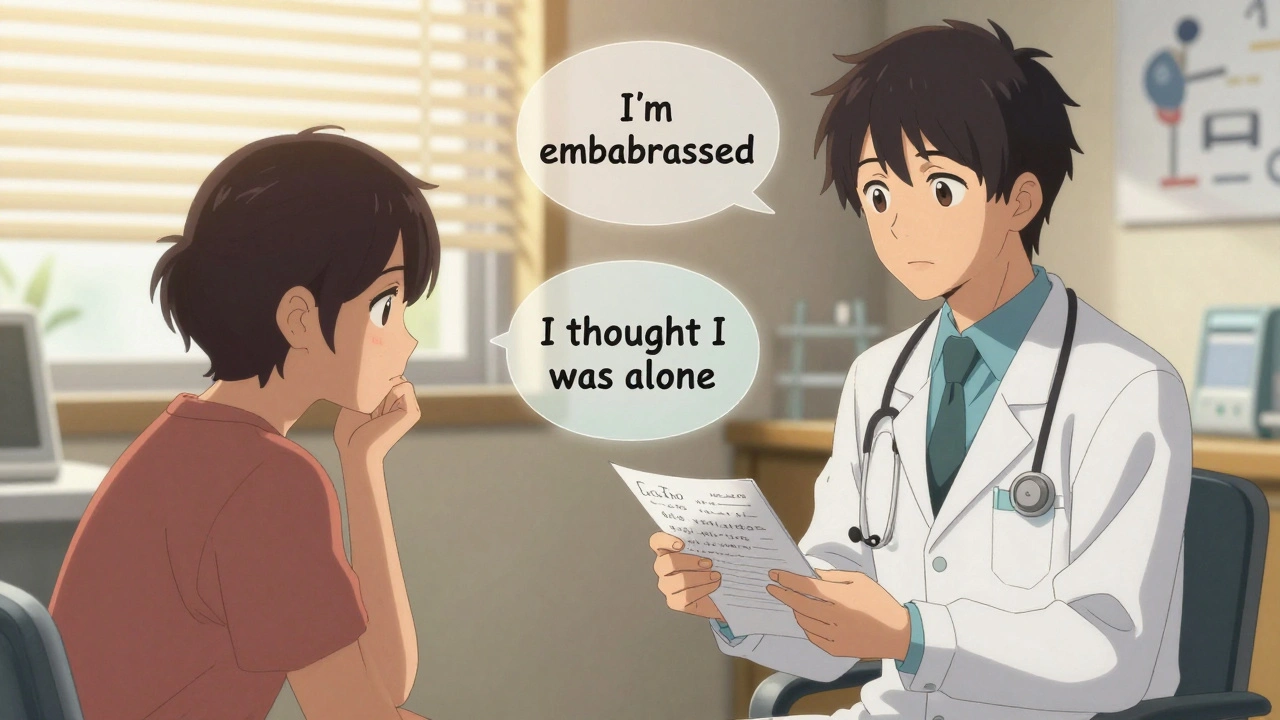
Learn how to talk openly with your doctor about missing doses, side effects, or cost issues so you can take your medications correctly and stay healthy. Real strategies that work.