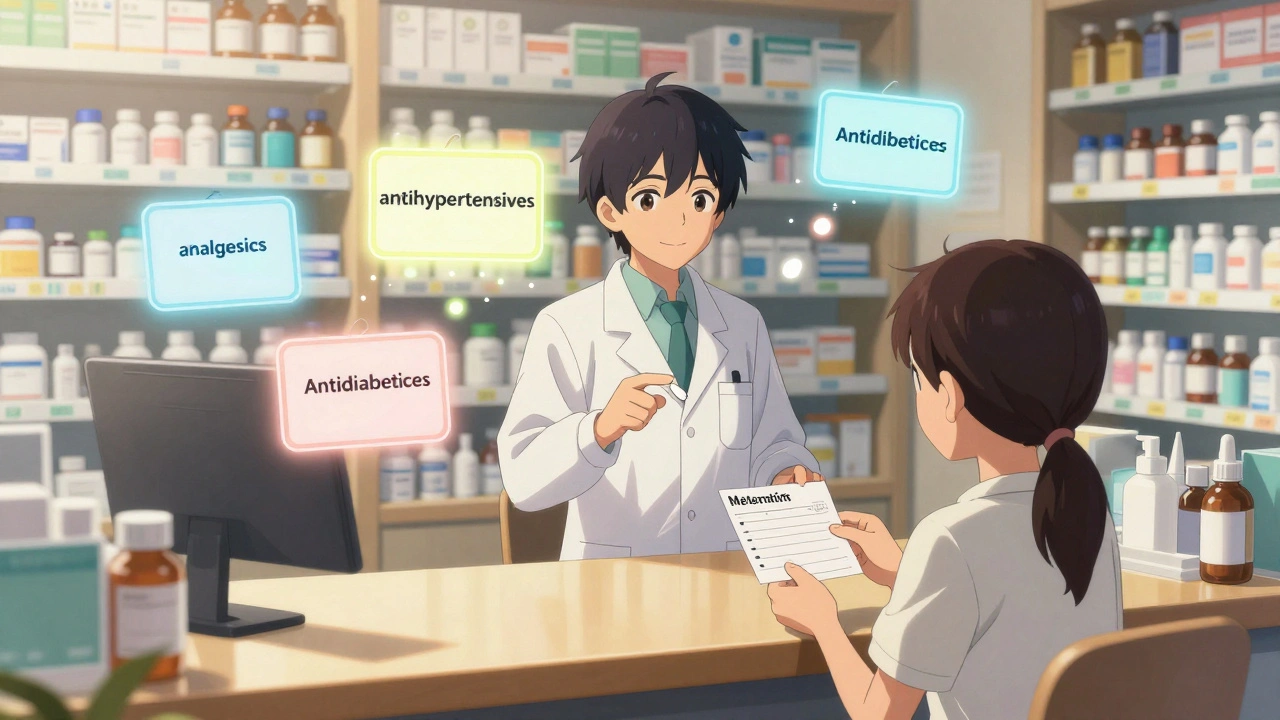
When you hear therapeutic classification, a system that sorts medications based on the medical condition they treat. Also known as pharmacological classification, it’s how doctors and pharmacists quickly know if a drug is meant for high blood pressure, diabetes, depression, or infections. This isn’t just paperwork—it’s the backbone of safe prescribing. Think of it like sorting tools: you wouldn’t use a hammer to change a lightbulb, and you wouldn’t give a heart drug to treat a stomach bug. Therapeutic classification keeps things clear, even when two drugs have totally different ingredients but do the same job.
Behind this system are key entities like drug categories, broad groups like antibiotics, antihypertensives, or antidepressants, and medication groups, specific subsets like statins or SSRIs. These categories directly affect your out-of-pocket costs—insurance plans use them to decide which drugs go on Tier 1 or non-formulary lists. They also shape how generics are approved and substituted. For example, if you’re on a statin, your doctor might switch you from simvastatin to pravastatin because they’re in the same therapeutic group, even if the brand names differ. This is why understanding therapeutic classification helps you ask smarter questions: Is this the best drug in its class? Why was this one chosen over another?
It also explains why some side effects show up together. If a drug causes muscle pain, it’s likely in the same group as other statins. If it lowers sodium levels, it’s probably an SSRI or diuretic. The drug effects, the actual outcome a medication produces in the body are what tie everything together. That’s why you’ll find articles here about sulfonylureas and weight gain, SSRIs and hyponatremia, or statins and liver enzymes—all linked by how they behave within their therapeutic group. Even something as simple as soy interfering with thyroid meds fits here: it’s about how food affects absorption within a specific drug class.
Therapeutic classification isn’t perfect. Some drugs do multiple things, and new ones don’t always fit neatly. But it’s the best tool we have to make sense of the thousands of pills out there. Whether you’re managing diabetes, dealing with anxiety, or just trying to avoid drug interactions, knowing how your meds are grouped helps you take control. Below, you’ll find real-world examples of how this system impacts everything from insurance tiers and generic access to side effect risks and safe dosing. No theory. Just what matters for your health.
Understand how generic drugs are classified by therapeutic use, mechanism of action, legal schedule, insurance tier, and global standards. Learn why these systems matter for your prescriptions and costs.