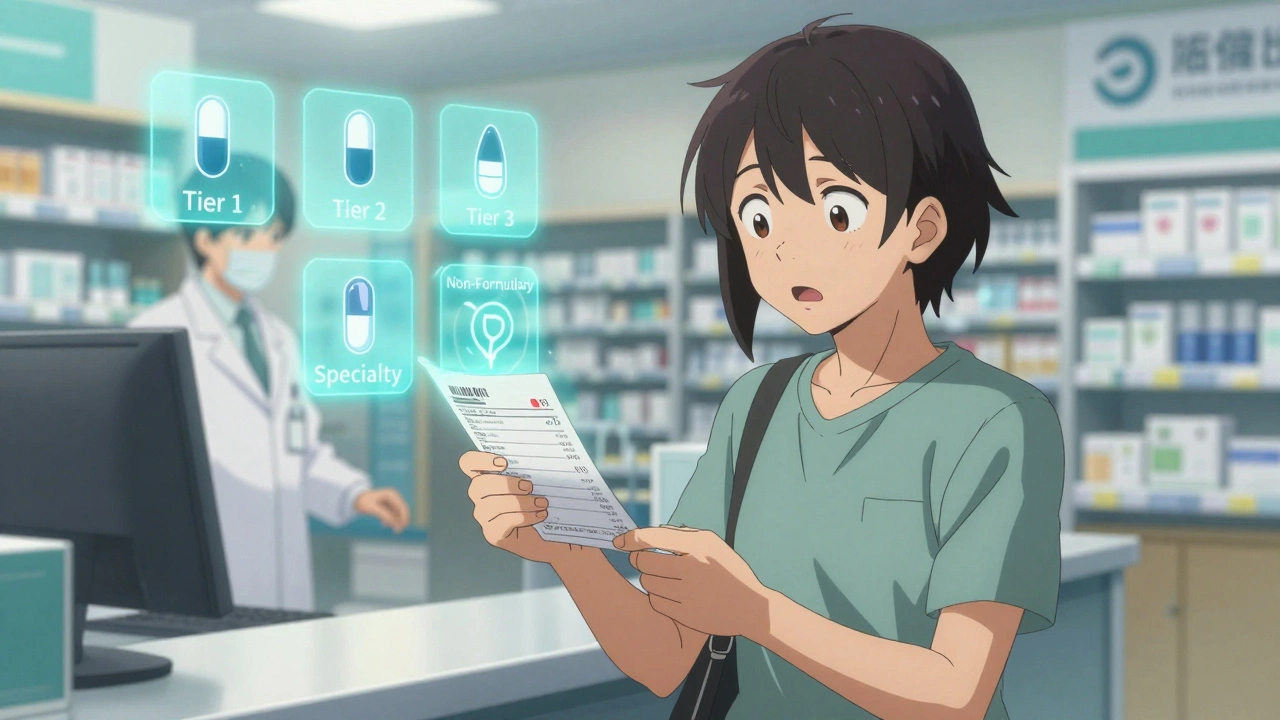
When you see Tier 1 drugs, the lowest-cost category of medications on most insurance formularies, often including generic versions of common prescriptions. Also known as preferred generics, these are the drugs your plan encourages you to use because they’re proven, safe, and cost-effective. You won’t always see the term on your prescription bottle, but you’ll feel it on your co-pay slip—$5 instead of $50. This isn’t luck. It’s a system designed to guide patients toward medicines that deliver results without draining your wallet.
Tier 1 drugs aren’t just cheap—they’re carefully selected. Insurance companies and pharmacy benefit managers (PBMs) group medications into tiers based on cost, clinical effectiveness, and how often they’re prescribed. Generic drugs, chemically identical versions of brand-name medications approved by the FDA. Also known as non-brand equivalents, they make up the bulk of Tier 1. Think metformin for diabetes, lisinopril for blood pressure, or atorvastatin for cholesterol. These aren’t knockoffs—they’re the same pills, just without the marketing. And because they’ve been around longer, manufacturers can sell them at a fraction of the price. That’s why your plan puts them in Tier 1: they work, and they don’t cost a fortune.
But here’s the catch: not every generic is automatically Tier 1. Some generics get stuck in higher tiers because of deals between drugmakers and insurers, or because they’re newer to the market. And sometimes, a brand-name drug slips into Tier 1 if it’s been generic for years and no better alternatives exist. That’s why you need to check your formulary—your plan’s official list of covered drugs and their tiers. You can usually find it online or by calling customer service. Don’t assume your doctor’s prescription will be Tier 1. Ask: "Is there a Tier 1 alternative?" Many times, there is. And switching could save you hundreds a year.
Insurance formulary, a list of medications approved and organized by cost tiers by a health plan. Also known as drug list, it’s the rulebook that determines what you pay. It’s not secret, but it’s rarely explained. Tier 1 is the entry point. Tier 2 might be slightly more expensive generics or preferred brand names. Tier 3 and 4? Those are the high-cost drugs—often specialty meds or newer brands. The higher the tier, the more you pay. Understanding this isn’t just about saving money—it’s about making smarter choices. If you’re on a high-tier drug and it’s not working, ask your doctor about stepping down to a Tier 1 option. Many patients do this successfully.
Tier 1 drugs also matter because they’re often the first line of defense in treating common conditions. You’ll find them in guidelines for hypertension, diabetes, depression, and high cholesterol. They’re not second-rate—they’re the backbone of everyday care. Studies show that when patients switch from brand-name to generic Tier 1 drugs, adherence improves because they can actually afford to take them. That’s huge. A pill that sits in the cabinet because it’s too expensive doesn’t help anyone.
Below, you’ll find real-world examples of how people navigate drug tiers, avoid hidden costs, and use generic alternatives safely. From statins that cause muscle pain to antibiotics with complex substitution rules, these posts show how Tier 1 drugs aren’t just about price—they’re about access, safety, and control over your own health. Whether you’re paying out-of-pocket or on insurance, knowing how this system works puts power back in your hands.
Understand how insurance formulary tiers work - Tier 1 to non-formulary - and how they affect your prescription costs. Learn what each tier means, why drugs move between them, and how to save money.