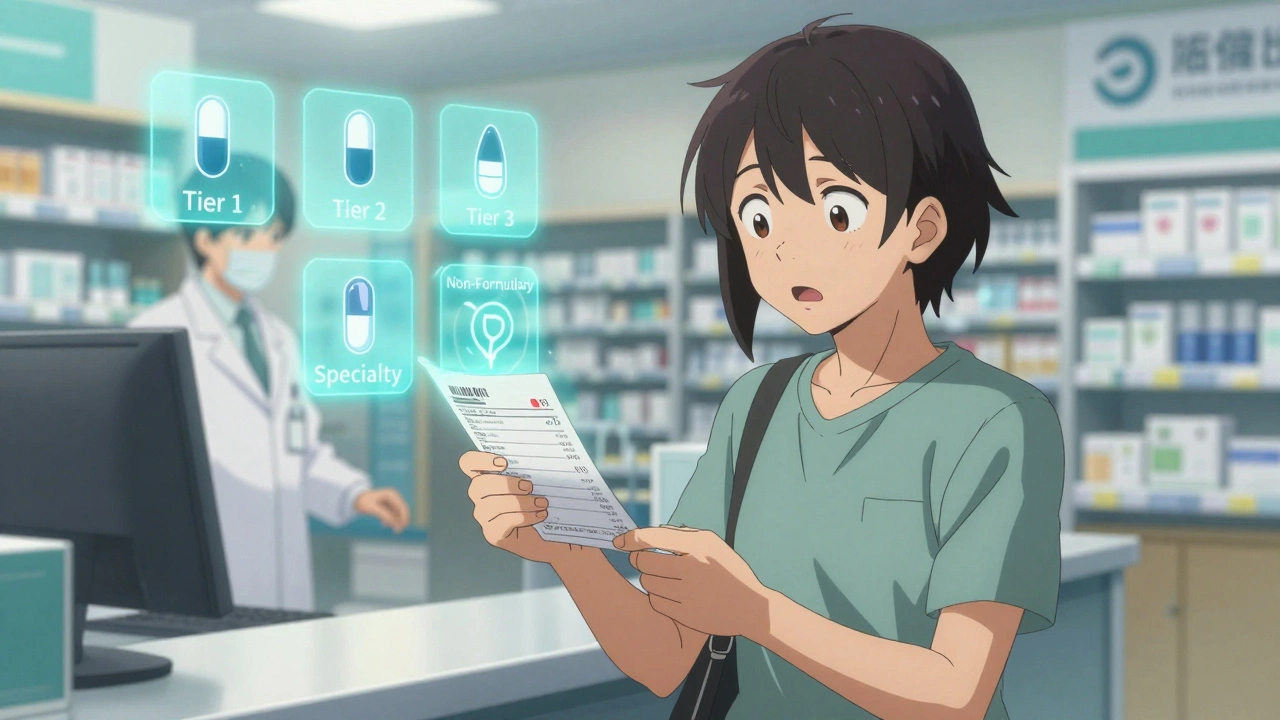
When your doctor prescribes a medication, it doesn’t just go into your cart—it gets sorted into a Tier 2 drug, a category of prescription medications placed in the middle of your insurance plan’s cost structure. Also known as mid-tier drugs, these are typically generics or brand-name drugs that aren’t the cheapest option but still offer good value. If you’ve ever seen a $30 copay instead of $10 or $50, you’ve likely been hit with a Tier 2 drug. This isn’t random—it’s how insurers balance cost, effectiveness, and access.
Tier 2 drugs often include generic antibiotics, commonly prescribed medications like amoxicillin or doxycycline that are cheaper than brand names but still widely used, or statins, cholesterol-lowering drugs like pravastatin or rosuvastatin that fall between low-cost generics and expensive specialty meds. These drugs are chosen because they work well, have solid safety data, and aren’t the first-line cheapest option—so they sit in the middle. Insurance companies use this system to nudge patients toward lower-cost alternatives without cutting off access. But here’s the catch: just because a drug is Tier 2 doesn’t mean it’s the best for you. Your body, your condition, and your history matter more than the tier label.
Many people don’t realize that drug classification, how medications are grouped by therapeutic use, mechanism, or legal schedule directly affects which tier they land in. A drug like sulfasalazine for arthritis or levothyroxine for thyroid issues might be Tier 2 in one plan and Tier 1 in another. Why? Because insurers negotiate deals with manufacturers, and those deals change yearly. What’s cheap today might be expensive tomorrow. That’s why knowing your plan’s formulary isn’t just paperwork—it’s part of managing your health.
And it’s not just about cost. Tier 2 drugs often come with prior authorization rules, step therapy requirements, or quantity limits. You might need to try a Tier 1 drug first before your insurer will cover the one your doctor picked. That’s frustrating, but it’s built into the system to control spending. The good news? You have power here. Ask your pharmacist if there’s a lower-tier alternative. Check if your drug is on your plan’s list before you fill it. And if you’re paying too much, call your insurer—you’d be surprised how often they’ll make an exception.
The posts below dig into exactly how these systems work. You’ll find real examples of how Tier 2 drugs affect everyday people—from why some statins cost more than others, to how generic antibiotic combinations save money but aren’t always available, to how insurance tiers shape what you can get when you need it most. Whether you’re managing diabetes with sulfonylureas, dealing with liver enzyme changes from meds, or trying to understand why your thyroid pill isn’t covered the way you expected, this collection gives you the practical, no-fluff details you won’t get from your insurer’s website. No jargon. No marketing. Just what you need to know to make smarter choices about your meds and your money.
Understand how insurance formulary tiers work - Tier 1 to non-formulary - and how they affect your prescription costs. Learn what each tier means, why drugs move between them, and how to save money.