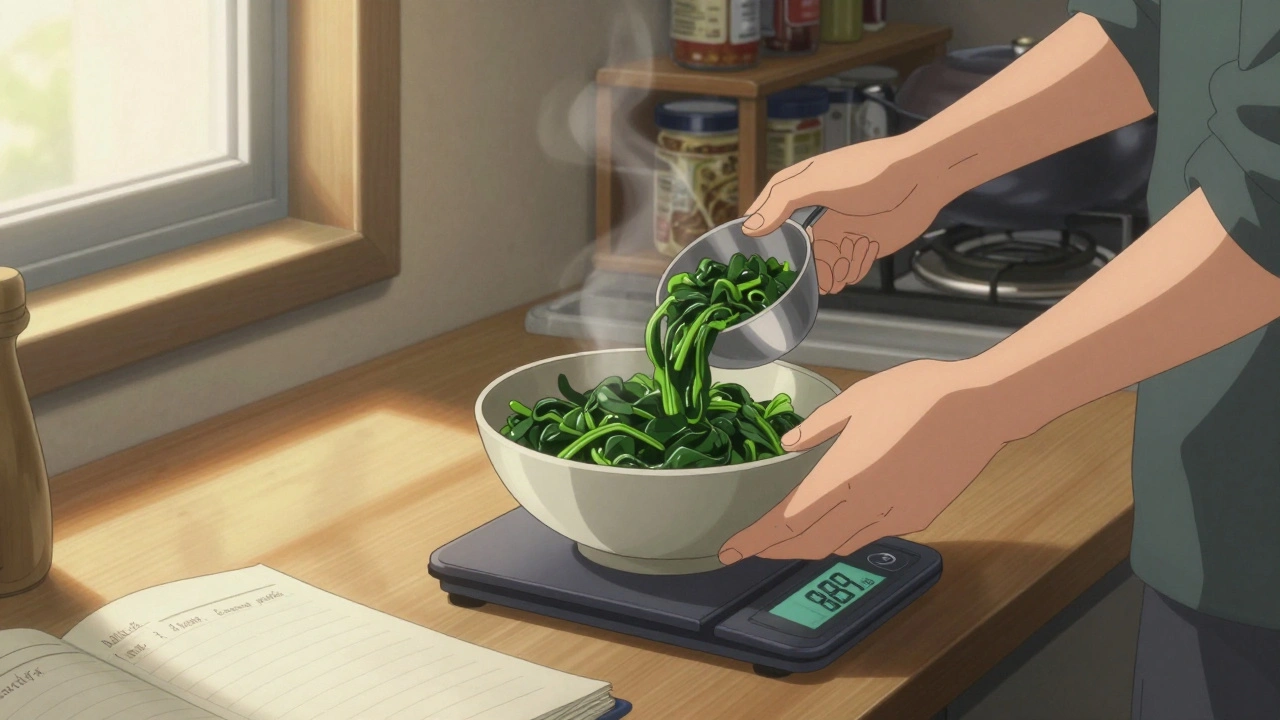
When you think about vitamins, you probably think of vitamin K, a fat-soluble nutrient essential for blood clotting and bone metabolism. Also known as phylloquinone, it’s not something your body makes on its own — you have to get it from food. Without enough vitamin K, even a small cut can bleed longer than it should, and your bones become more fragile over time. Most people don’t realize how common vitamin K deficiency is, especially among older adults, people on long-term antibiotics, or those with digestive disorders like Crohn’s or celiac disease.
It’s not just about avoiding bleeding risks. vitamin K2, a form found in fermented foods and animal products that helps direct calcium to your bones instead of your arteries. Also known as menaquinone, it’s the reason why people in countries with high fermented food intake often have stronger bones and lower rates of heart disease. Vitamin K1, the kind in leafy greens, is great for clotting. But K2? That’s the one that keeps your arteries clear and your skeleton intact. They work together, but they’re not the same. And if you’re on blood thinners like warfarin, this matters even more — too much vitamin K can make your medication less effective, and too little can put you at risk for dangerous clots.
So what do you actually eat to get enough? Vitamin K foods aren’t just spinach and kale — though those are top choices. Broccoli, Brussels sprouts, and cabbage are packed with it. Even green beans and asparagus add up. If you like fermented foods, natto (a Japanese soybean dish) has more vitamin K2 than anything else on the planet. Dairy like cheese and butter, especially from grass-fed cows, and egg yolks are solid sources too. Meat, especially liver, has a decent amount. You don’t need supplements if you’re eating a few of these regularly. But if your diet is low in greens or you’ve had gut surgery, you might be missing out without knowing it.
And here’s the thing: vitamin K doesn’t need fancy preparation. It’s stable under heat, so cooking doesn’t destroy it. A quick sauté or roast keeps the nutrient intact. Pair it with a little fat — olive oil, butter, avocado — and your body absorbs it better. No need to overthink it. Just eat your greens, add some cheese, and don’t skip the eggs.
The posts below cover real situations where vitamin K plays a role — from how it interacts with blood thinners to why some people need more than others. You’ll find advice on managing your intake if you’re on medication, what to watch for if you’re at risk for deficiency, and how diet choices connect to long-term health. No fluff. Just what you need to know to eat right and stay safe.
Maintaining consistent vitamin K intake is critical when taking warfarin. Learn which foods affect your blood thinning, how to track your intake, and why consistency matters more than restriction for stable INR levels.