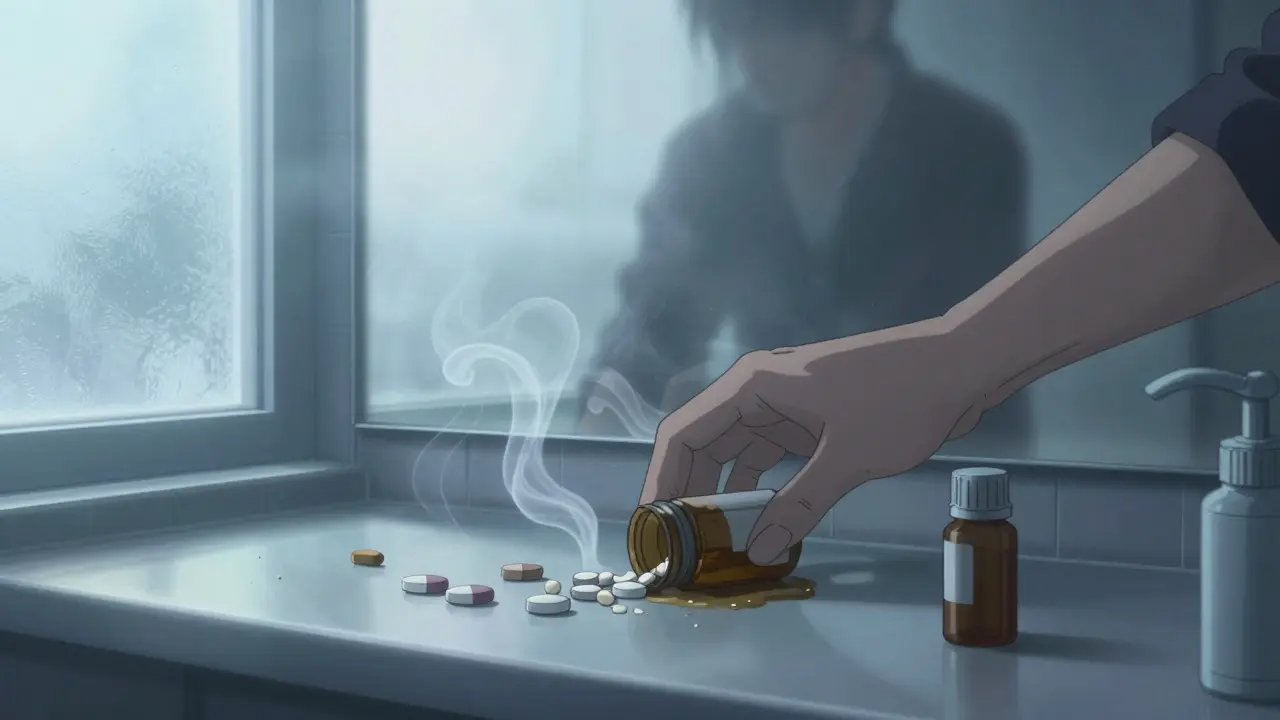
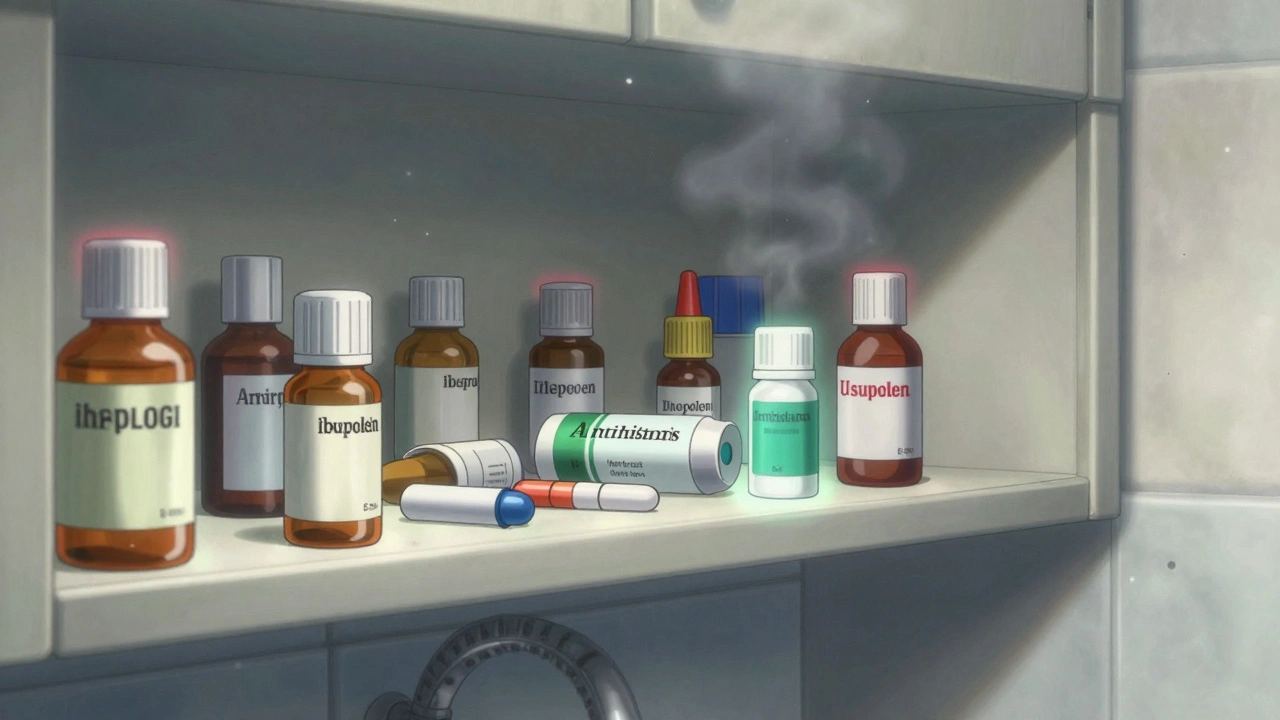
When you find an old bottle of pills in the back of your medicine cabinet, you might wonder: expired medications, drugs that have passed their manufacturer-tested expiration date. Also known as out-of-date medicines, these aren’t necessarily dangerous right away—but they’re not guaranteed to work either. The expiration date isn’t just a marketing trick. It’s the last day the manufacturer guarantees the drug will be fully potent and safe under proper storage conditions. After that, chemical breakdowns can happen. Some pills lose strength slowly. Others, like insulin or liquid antibiotics, can break down fast and even grow harmful bacteria.
Storage matters more than you think. Heat, humidity, and light speed up decay. A bathroom cabinet isn’t ideal—it’s steamy and warm. A cool, dry drawer away from sunlight is better. If you’ve left your asthma inhaler in a hot car or your thyroid pills by the window, their expiration date might as well have passed months ago. medication safety, the practice of using drugs correctly to avoid harm. Also known as drug handling, it includes knowing how to store, track, and dispose of pills properly. Taking expired antibiotics could mean your infection doesn’t clear, leading to worse illness or antibiotic resistance. Expired painkillers might not touch your headache. And if you’re relying on an old EpiPen during an allergic reaction, you’re gambling with your life.
drug expiration dates, the date printed on medicine packaging indicating when potency is no longer guaranteed. Also known as use-by dates, they’re set through real testing—not guesswork. The FDA requires these dates based on stability studies. But here’s the twist: many drugs stay effective years past their label date. A military study found 90% of stockpiled drugs were still safe and potent over 15 years later. That doesn’t mean you should take that 10-year-old aspirin, though. The risk isn’t always in the pill—it’s in not knowing. Without lab tests, you can’t tell if it’s still working. And if you’re treating something serious, you don’t want to guess.
That’s why storage of medications, how drugs are kept to maintain their strength and safety over time. Also known as medication preservation, it’s one of the most overlooked parts of taking pills. Keep them in original containers. Don’t mix them in pill organizers long-term. Avoid the kitchen or bathroom. And if you’re unsure—throw it out. Don’t flush it. Don’t toss it in the trash where kids or pets might get to it. Use a drug take-back program, pharmacy drop box, or mix it with coffee grounds or cat litter before sealing it in a bag. disposing of old pills, the safe and legal way to get rid of unused or expired medications. Also known as medication disposal, it protects people and the environment. This isn’t just about cleaning out your cabinet—it’s about preventing misuse, poisoning, and pollution.
You’ll find real-world advice here: how to read expiration dates, what to do with leftover antibiotics, why some drugs are riskier than others after they expire, and how to avoid scams selling "renewed" or "repackaged" old meds. These aren’t theoretical tips. They’re based on real cases, patient stories, and clinical data. Whether you’re caring for an elderly parent, managing a chronic condition, or just trying to keep your medicine shelf from becoming a hazard, this collection gives you clear, no-fluff guidance.
Storing medications in the bathroom exposes them to heat and moisture, which can reduce potency, cause dangerous side effects, and put kids and pets at risk. Learn where to store them safely instead.
Expired over-the-counter meds aren’t always dangerous - but some can be life-threatening. Learn which ones are safe to use past their date, which ones to throw out, and how storage affects potency.