When you’re told to take a medication every day, medication adherence, the practice of taking drugs exactly as prescribed. Also known as drug compliance, it’s not just about following rules—it’s the difference between feeling better and ending up in the hospital. Many people think if they feel fine, they can skip a dose. But missing pills—even just once in a while—can make drugs useless or even dangerous. Take blood thinners: skip one day, and your risk of stroke spikes. Take antibiotics early, and you might breed superbugs that won’t respond to anything. This isn’t theoretical. Real studies show that nearly half of people don’t take their meds as directed, and it’s one of the top reasons for avoidable hospital stays.
Polypharmacy, taking five or more medications at once makes adherence even harder. Older adults, especially, juggle pills for blood pressure, diabetes, arthritis, and heart issues. Each one has different timing, food rules, and side effects. One wrong combination can cause dizziness, confusion, or kidney damage. That’s why medication side effects, unwanted reactions that make people stop taking their drugs are a huge barrier. If your statin gives you muscle pain, or your antidepressant makes you nauseous, you’re not lazy—you’re reacting to something real. The fix isn’t guilt. It’s talking to your doctor about alternatives, adjusting doses, or using tools like pill organizers and phone alarms.
It’s not just about remembering to take pills. It’s about understanding why they matter. A study from the CDC found that patients who knew exactly how their meds worked were 40% more likely to stick with them. If you’re on levothyroxine, soy in your breakfast can block absorption. If you’re on levodopa, protein-rich meals can cut its effect in half. These aren’t myths—they’re science. And they’re covered in detail in the posts below. You’ll find real examples: how to time protein around Parkinson’s meds, why expired painkillers can be risky, how generic drugs work the same as brand names, and what to do when you’re on blood thinners and hit your head. There’s also advice on deprescribing, free samples, and how insurance tiers affect what you can afford. This isn’t a list of random articles. It’s a practical toolkit built from real patient struggles and clinical evidence. Whether you’re managing one chronic condition or five, what you read here will help you take control—without guesswork.
Nurses play a key role in helping patients understand that generic medications are just as safe and effective as brand-name drugs. Learn how they use simple, evidence-based counseling to improve adherence and prevent dangerous misunderstandings.
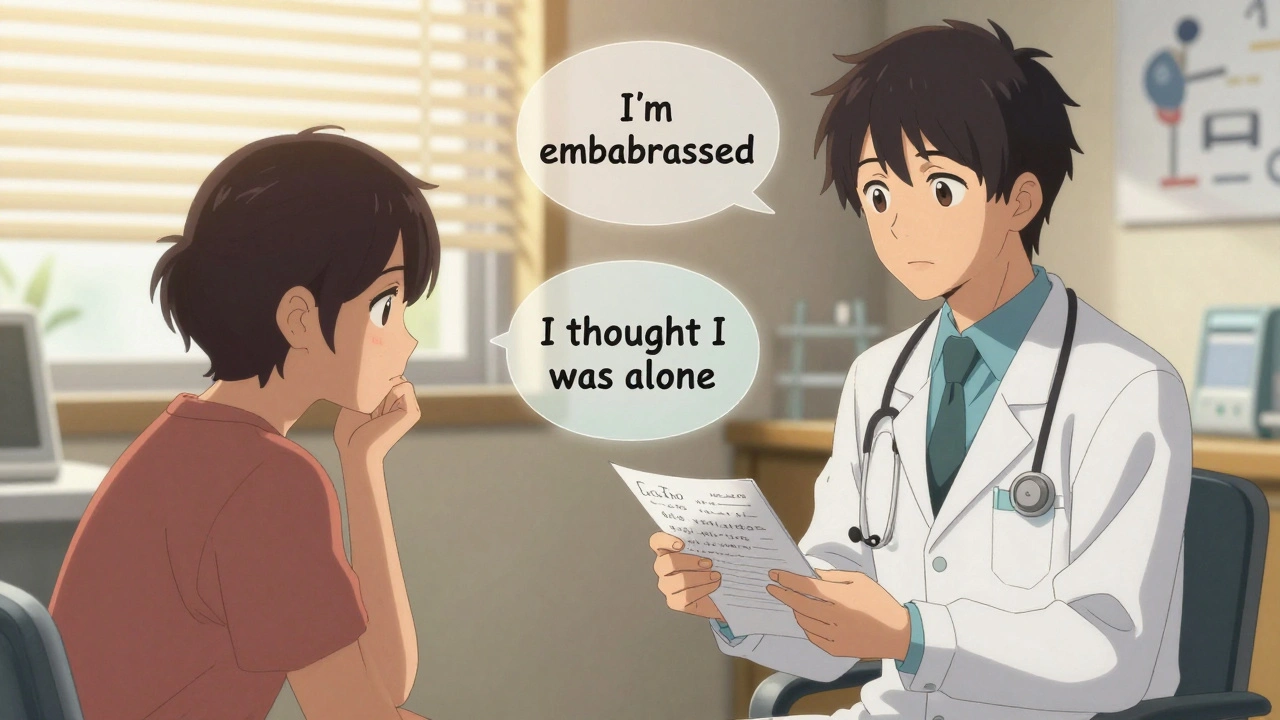
Learn how to talk openly with your doctor about missing doses, side effects, or cost issues so you can take your medications correctly and stay healthy. Real strategies that work.