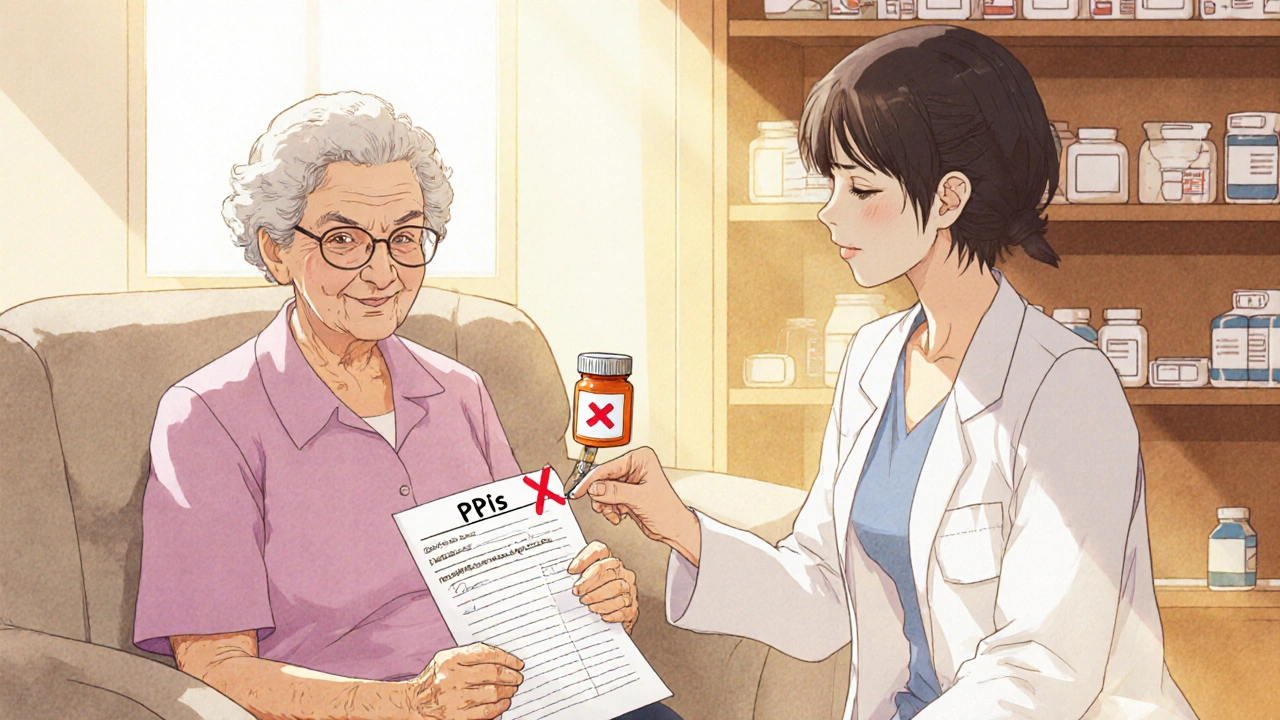
When it comes to medication safety, the practice of using drugs in a way that minimizes harm while maximizing benefit. Also known as drug risk management, it’s not just about avoiding side effects—it’s knowing when to stop, when to switch, and when to question what you’ve been told. In November 2025, our focus was on real, everyday risks people face with common prescriptions—not theoretical concerns, but the kind of problems that show up in doctor’s offices, pharmacies, and living rooms across the country.
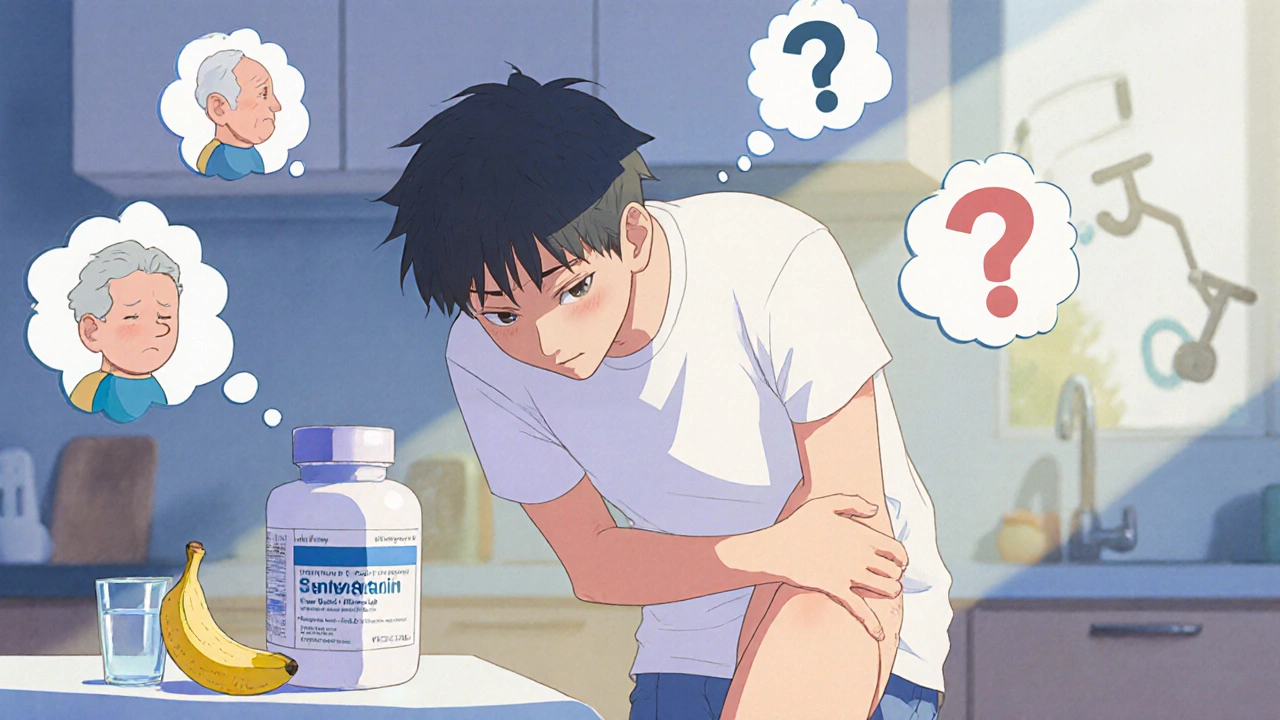
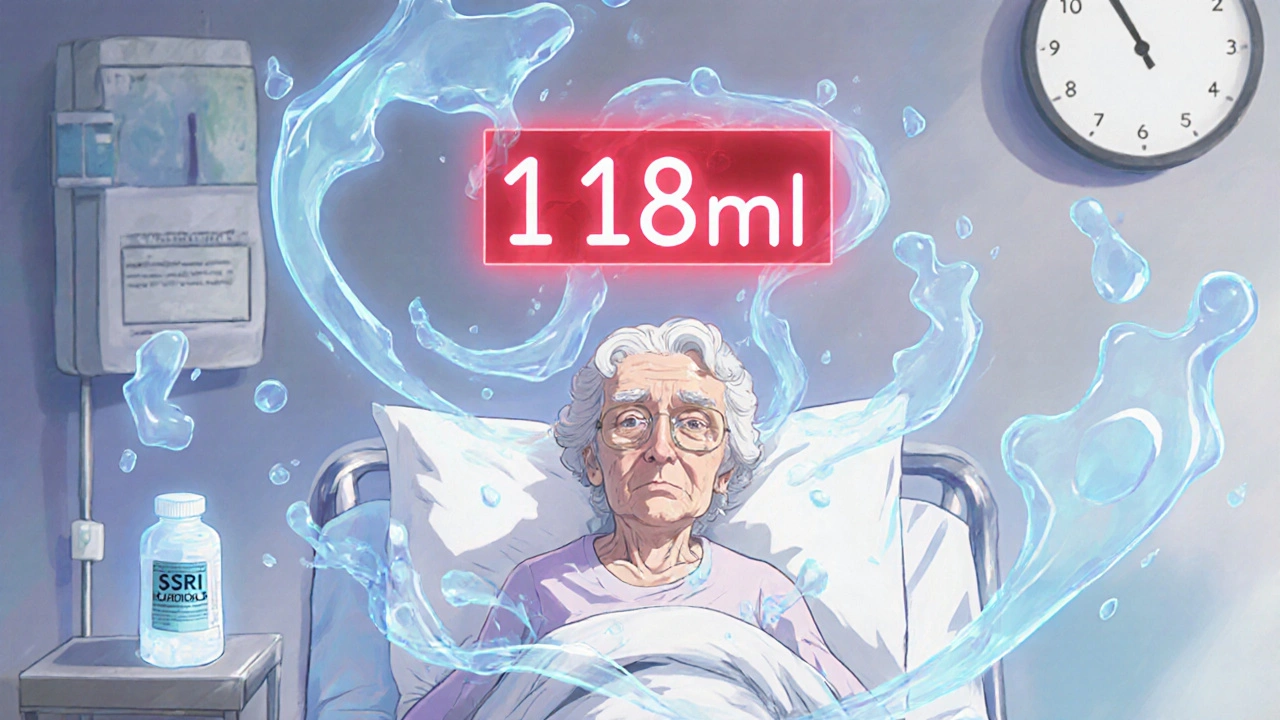
Statin side effects, muscle pain and liver enzyme changes caused by cholesterol-lowering drugs. Also known as statin intolerance, these issues affect far more people than most doctors admit. Simvastatin tops the list for muscle pain, but many cases aren’t even caused by the drug itself. Meanwhile, SSRI hyponatremia, dangerously low sodium levels triggered by antidepressants, especially in older adults. Also known as serotonin-induced hyponatremia, this silent risk can lead to confusion, falls, and even coma. And then there’s deprescribing, the intentional process of reducing or stopping unnecessary medications to improve health and reduce side effects. Also known as medication reduction, it’s not about cutting pills—it’s about reclaiming quality of life. These aren’t isolated topics. They’re connected. A person on a statin might also be on an SSRI, and maybe a PPI for heartburn—all of which can pile up and cause dizziness, falls, or liver stress. That’s why we looked at how family genetics affect how your body handles generics, how to safely store meds during a move, and why buying cheap Tylenol online could damage your liver.
You’ll find clear, no-fluff answers to questions real people ask: Is mouth taping for sleep safe? What’s the real risk of QT prolongation from anti-nausea drugs? Why do some people react badly to generics while others don’t? We didn’t just list risks—we gave you what to do next. Whether you’re a patient worried about your meds, a caregiver managing a parent’s pills, or a healthcare worker looking for practical tools, this archive gives you the facts you need to make smarter choices. No hype. No guesswork. Just what works, what doesn’t, and what you should watch out for.
Simvastatin has the highest risk of muscle pain among statins, but most muscle discomfort isn't caused by the drug. Learn which statins are safest and what to do if you're experiencing pain.
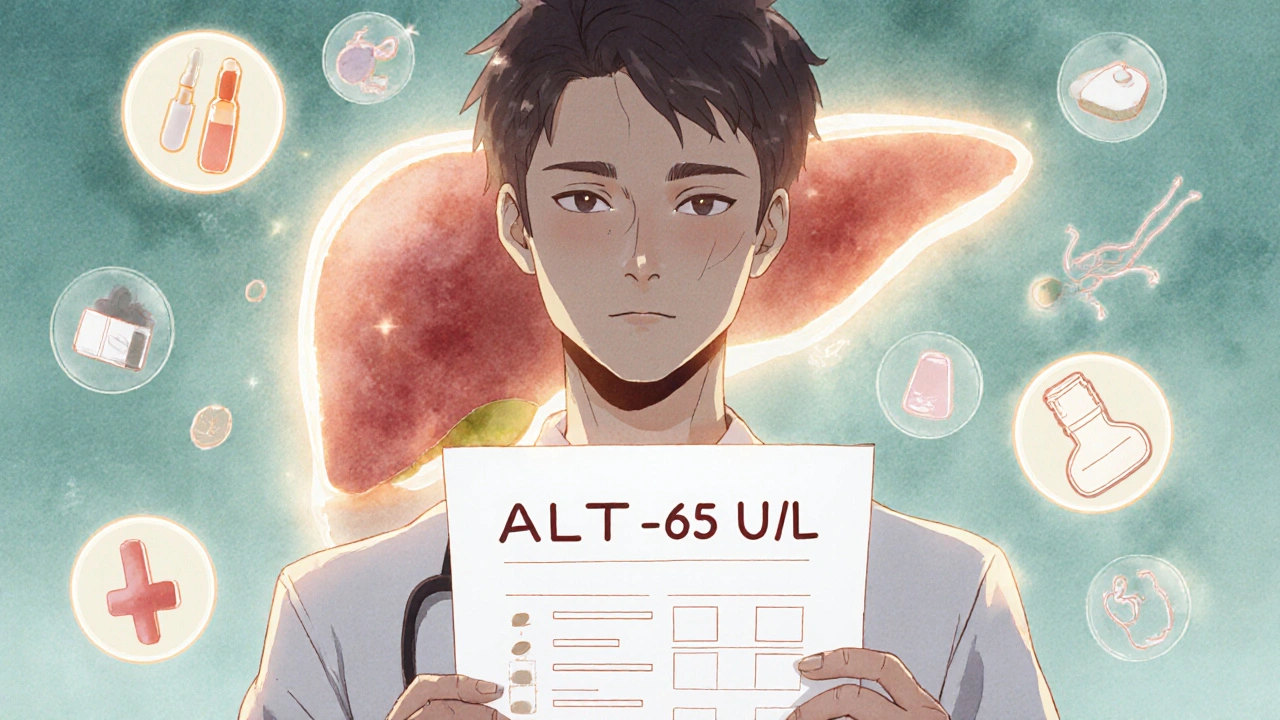
Mild liver enzyme elevations from medications like statins or acetaminophen are common and rarely dangerous. Learn when to worry, when to ignore it, and why stopping your meds might be riskier than keeping them.
SSRIs can cause dangerous low sodium levels, especially in older adults, leading to confusion, falls, and even coma. Learn the risks, who’s most vulnerable, and safer alternatives like mirtazapine.
Mouth taping for sleep went viral on social media, but medical experts warn it's unsafe for people with sleep apnea or nasal issues. Here's what the real evidence says about risks and effectiveness.
Europe uses a structured, transparent tendering system to buy generic medicines, prioritizing value over lowest price. This approach ensures quality, reliability, and fair competition across the EU, benefiting patients and suppliers alike.
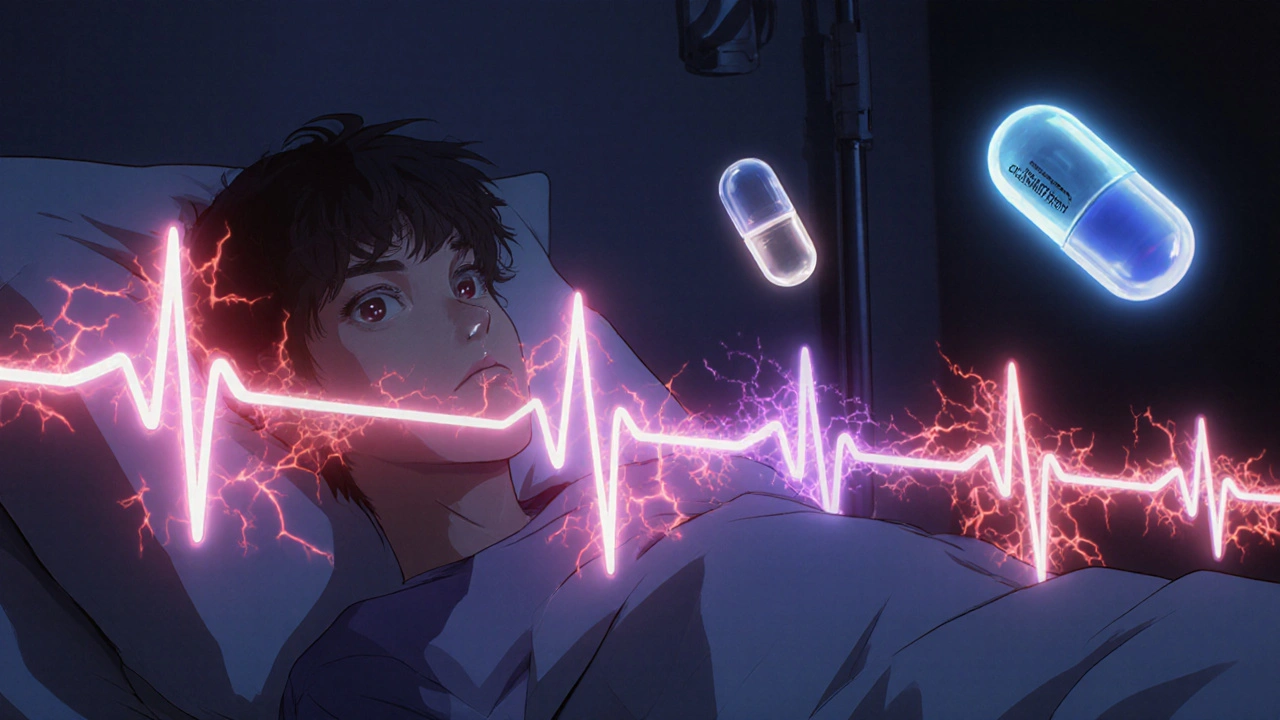
Not all antiemetics are safe for everyone. Some can stretch your heart's rhythm or make you dangerously drowsy. Learn which ones carry the highest risks-and which are safer alternatives.
Learn how to safely prepare your child for surgery with pre-op medications. Get clear guidelines on fasting, sedatives like midazolam and ketamine, special cases for asthma or seizures, and what to expect on surgery day.
Deprescribing frameworks help reduce unnecessary medications in older adults to cut side effects like dizziness, falls, and confusion. Evidence-based protocols exist for common drugs like PPIs, benzodiazepines, and antipsychotics, with proven safety and improved quality of life.
Learn how to ethically obtain free medication samples and track expiration dates to stay safe and support legitimate programs. Avoid scams, avoid expired meds, and give feedback that matters.
COPD exacerbations are dangerous flare-ups that worsen breathing, often due to infections or pollution. Learn the warning signs, emergency treatments, and how to prevent them before they become life-threatening.