When you hear generic drugs, brand-name medications sold under their chemical name after the patent expires. Also known as non-brand drugs, they work the same as the original but cost up to 80% less. That’s not marketing—it’s science. The FDA requires them to have the same active ingredient, strength, dosage form, and route of administration. They’re not copies. They’re exact matches, just without the fancy packaging or advertising budget.
But not all generic availability, how easily patients can access lower-cost versions of brand-name drugs is the same. In some states, pharmacists can swap brand for generic automatically. In others, they need the doctor’s OK. And even when available, insurance formulary tiers, how health plans group drugs by cost and coverage can make a generic drug cost more than the brand if it’s on Tier 3 or higher. A drug like metformin might be Tier 1—$5 a month—while another generic, say a combination antibiotic, could be Tier 4 and cost $50, even though both are chemically identical. Why? It’s not about the pill. It’s about contracts, rebates, and outdated rules.
Then there’s generic drug classifications, how drugs are grouped by therapeutic use, legal schedule, or global standards like ATC codes. These aren’t just bureaucratic labels. They determine what your doctor can prescribe, what your pharmacy stocks, and whether your insurer will pay. A drug classified under ATC code A10BA (biguanides) is grouped with metformin, not with insulin—so if your plan only covers one category, you’re stuck. And in places like Europe, generic purchasing, how public health systems buy medications through competitive bidding is done through transparent tendering systems that prioritize quality over the lowest bid. That’s why you’ll find reliable generics there, even when they’re not the cheapest.
Here’s the thing: generic drugs aren’t just about saving money. They’re about access. Millions of people rely on them daily for blood pressure, diabetes, depression, and infections. But confusion around how they’re made, regulated, and paid for keeps people from using them—even when they’re the best option. Some think they’re weaker. Others worry about side effects. A few even fear they’re fake. But the data doesn’t lie. A 2022 study of over 1,000 generic antibiotics found no difference in cure rates compared to brand names. The same goes for statins, antidepressants, and thyroid meds.
So why the hesitation? It’s not the drugs. It’s the system. From how they’re classified to how insurance layers costs, the road to getting a generic isn’t always clear. And when you’re already dealing with a chronic condition, that uncertainty adds stress. That’s why this collection of articles cuts through the noise. You’ll find real answers on how to navigate formulary tiers, spot quality generic combinations, understand why some generics are harder to get, and what to do if your insurance won’t cover the one your doctor prescribed. No fluff. No jargon. Just what works.
Generic and biosimilar medications saved $467 billion in the U.S. healthcare system in 2024 alone, with $3.4 trillion saved over the past decade. These drugs make up 90% of prescriptions but only 12% of spending, proving they're the most powerful tool for cutting drug costs.
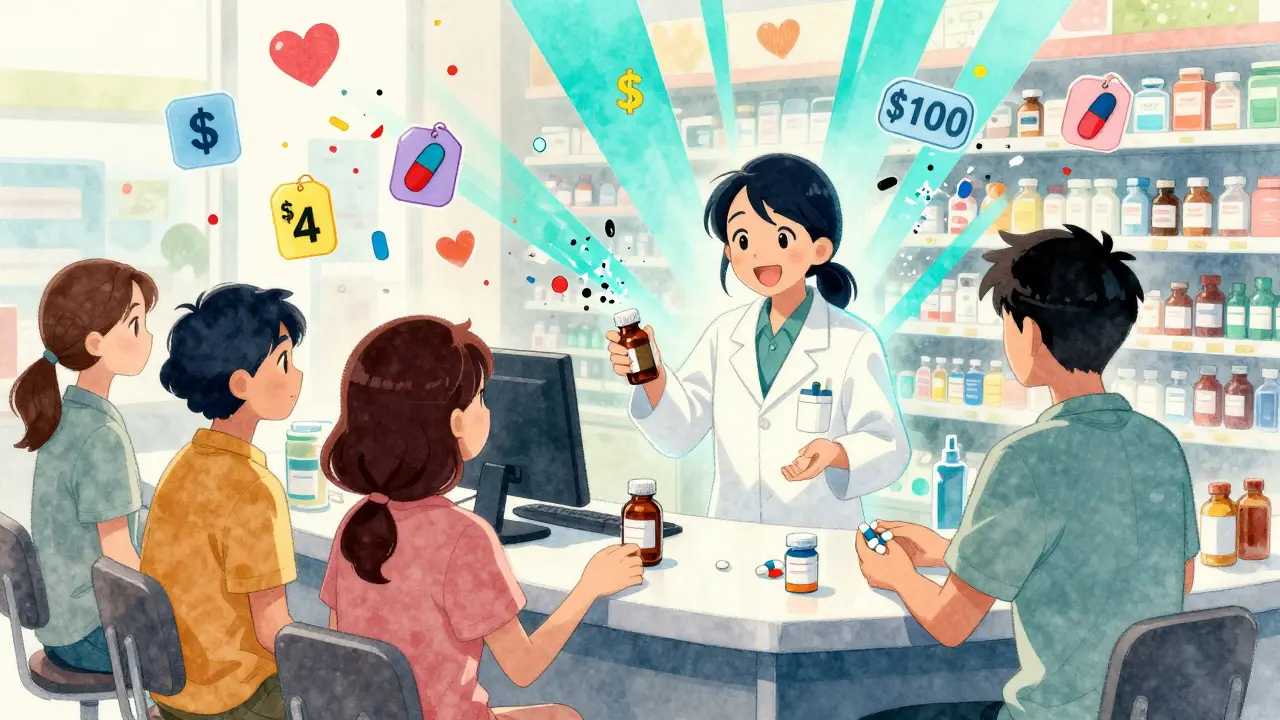
Generics make up 90% of U.S. prescriptions but only 12% of drug spending, saving $445 billion in 2023. Learn how they cut costs, why some drugs still cost too much, and what you can do to save.
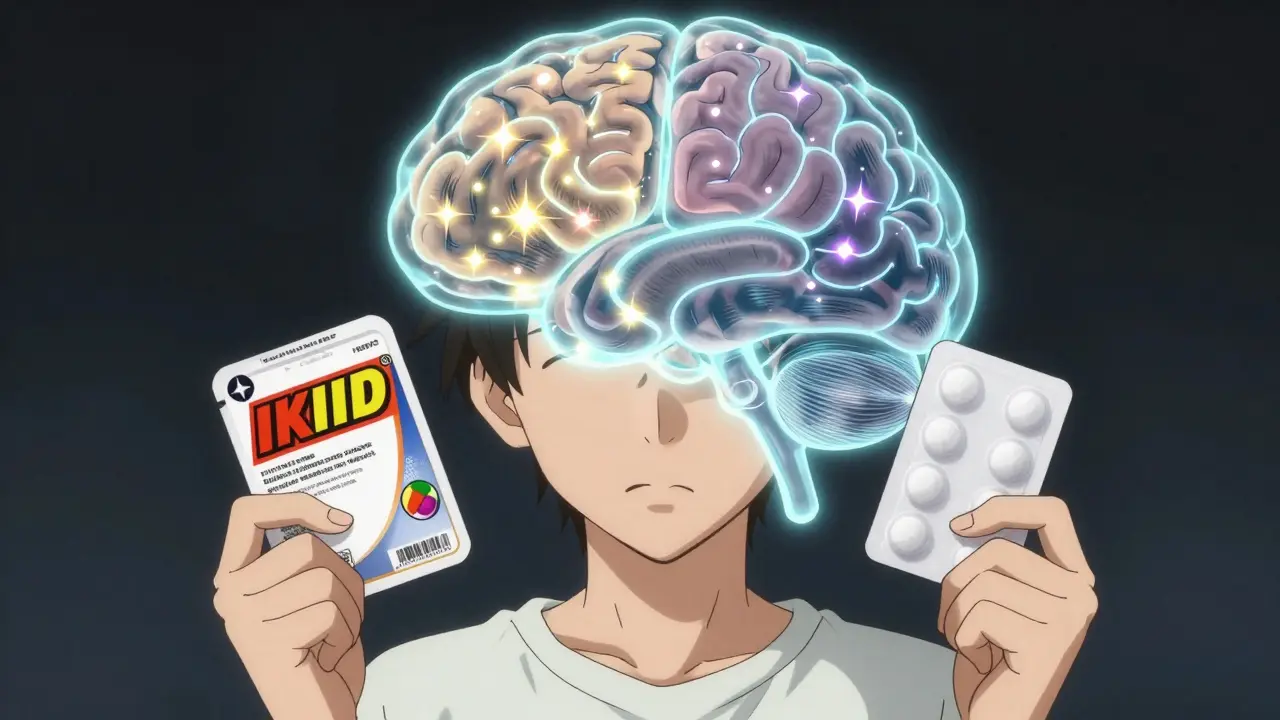
Why do some people feel generic medications don't work? It's not the drug-it's their brain. Perception, branding, and price shape how effective a pill feels, even when the chemistry is identical. Learn how the placebo effect impacts real health outcomes.
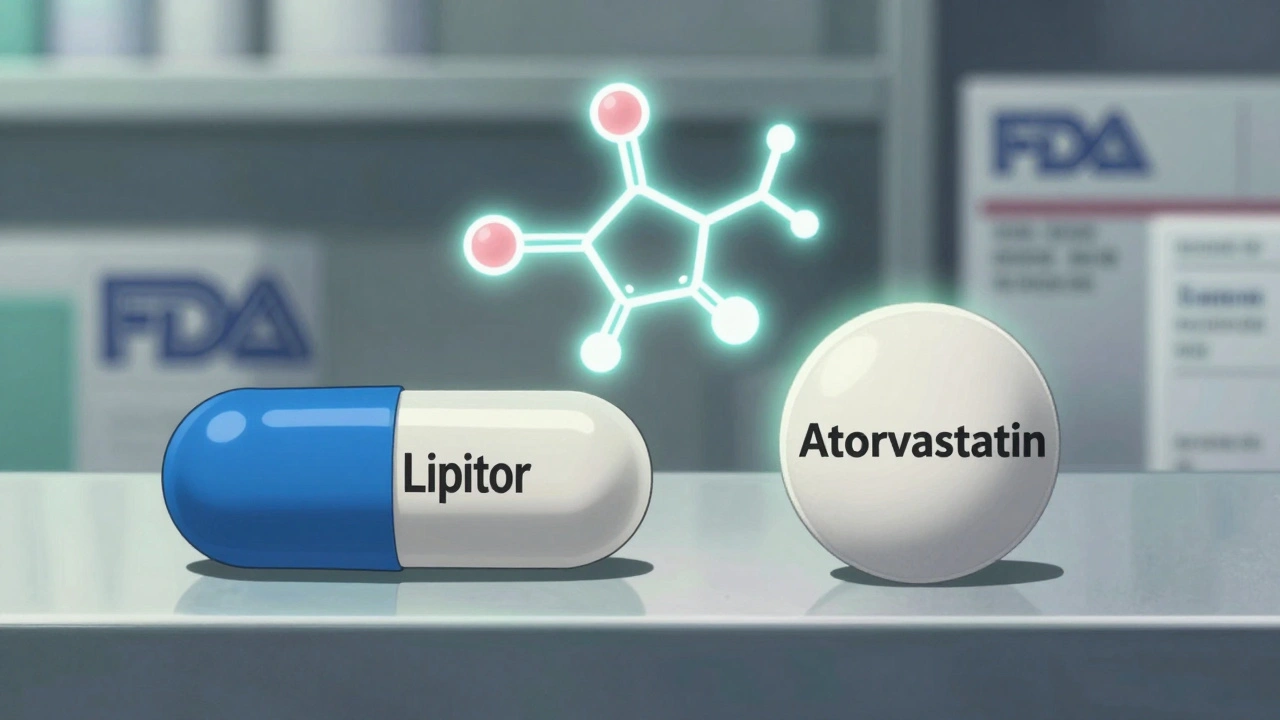
Generic drugs work the same as brand-name drugs but cost far less. Learn how the FDA ensures therapeutic equivalence, why labels look different, and when you should be cautious about switching.