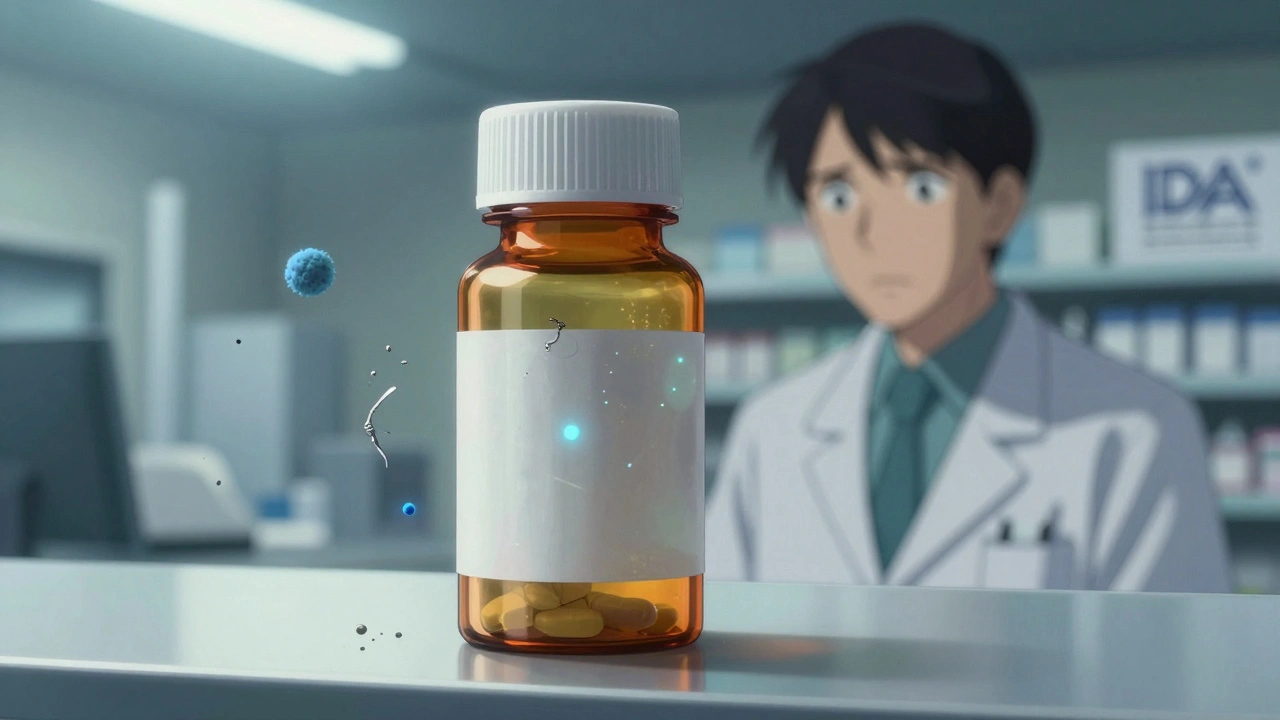
Generic drugs are affordable and widely used, but contamination risks are rising due to global supply chains and cost-cutting. Learn how contamination happens, who’s most at risk, and what patients and providers can do to stay safe.
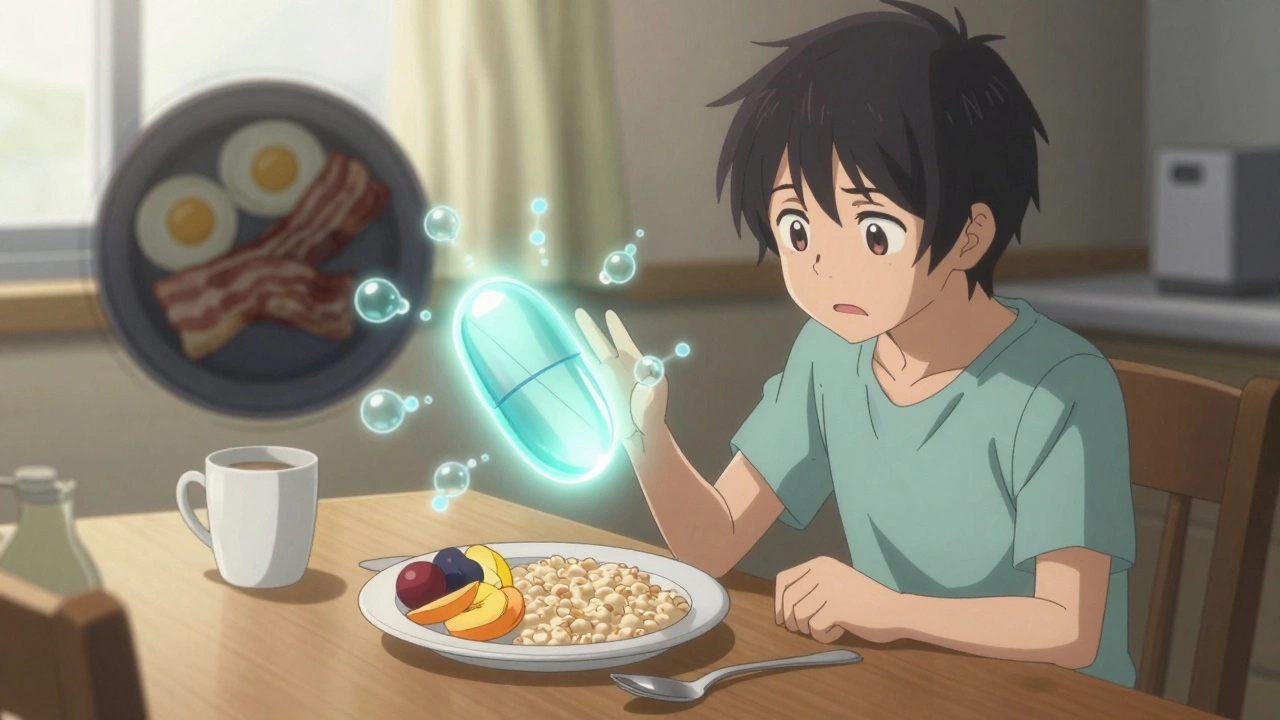
Protein-rich meals can reduce medication absorption by up to 50%, especially for drugs like levodopa. Learn how timing your protein intake-instead of cutting it-can improve drug effectiveness and daily symptom control.
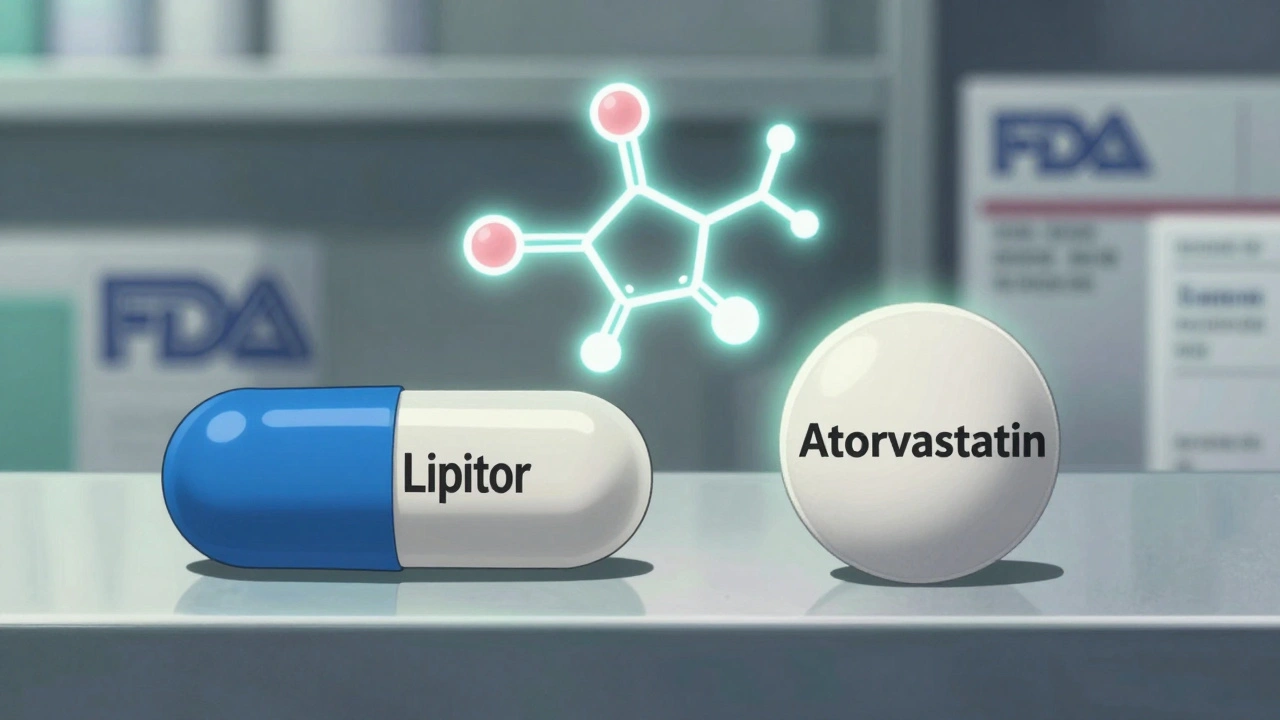
Generic drugs work the same as brand-name drugs but cost far less. Learn how the FDA ensures therapeutic equivalence, why labels look different, and when you should be cautious about switching.
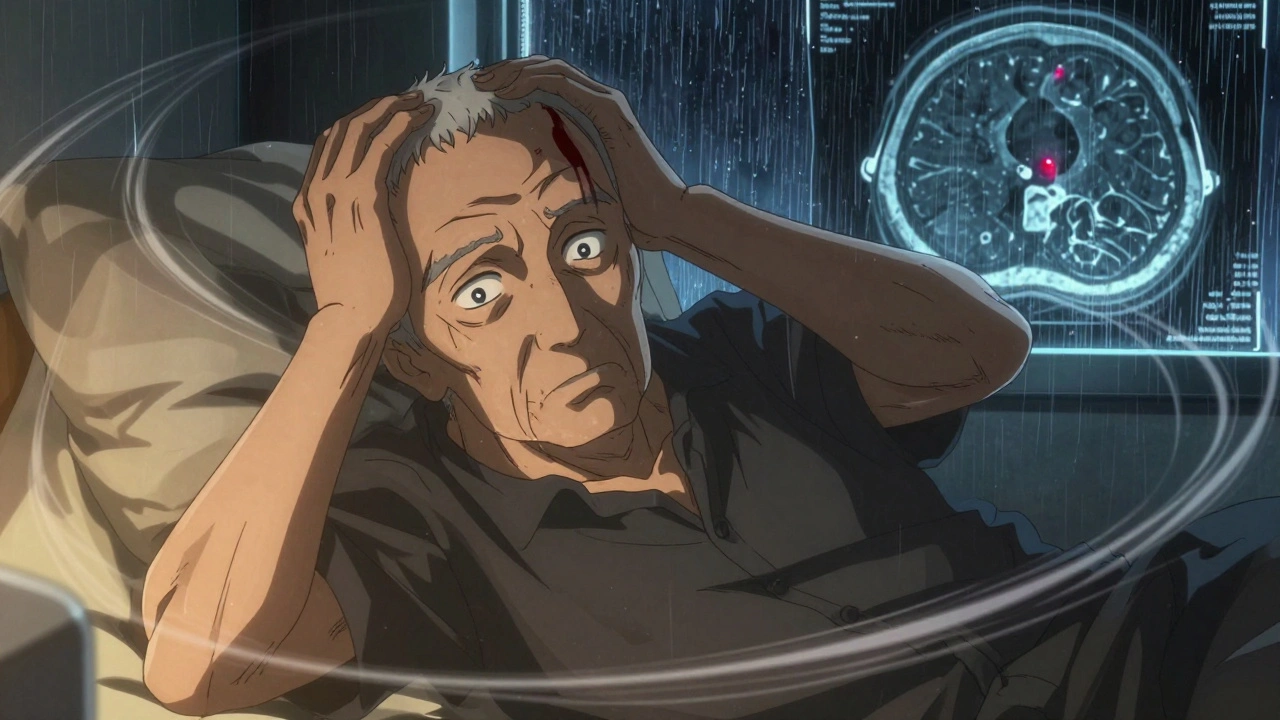
If you're on blood thinners and hit your head, don't wait for symptoms-get a CT scan immediately. Even minor injuries can lead to dangerous brain bleeds that develop hours later. Here's what you need to know about when imaging is required and what to do next.
Generic antibiotic combination products offer major cost savings and equal effectiveness to brand-name versions, but access is limited by complex regulations and outdated state substitution laws. Learn how they work, why availability varies, and what patients can do.
Expired over-the-counter meds aren’t always dangerous - but some can be life-threatening. Learn which ones are safe to use past their date, which ones to throw out, and how storage affects potency.
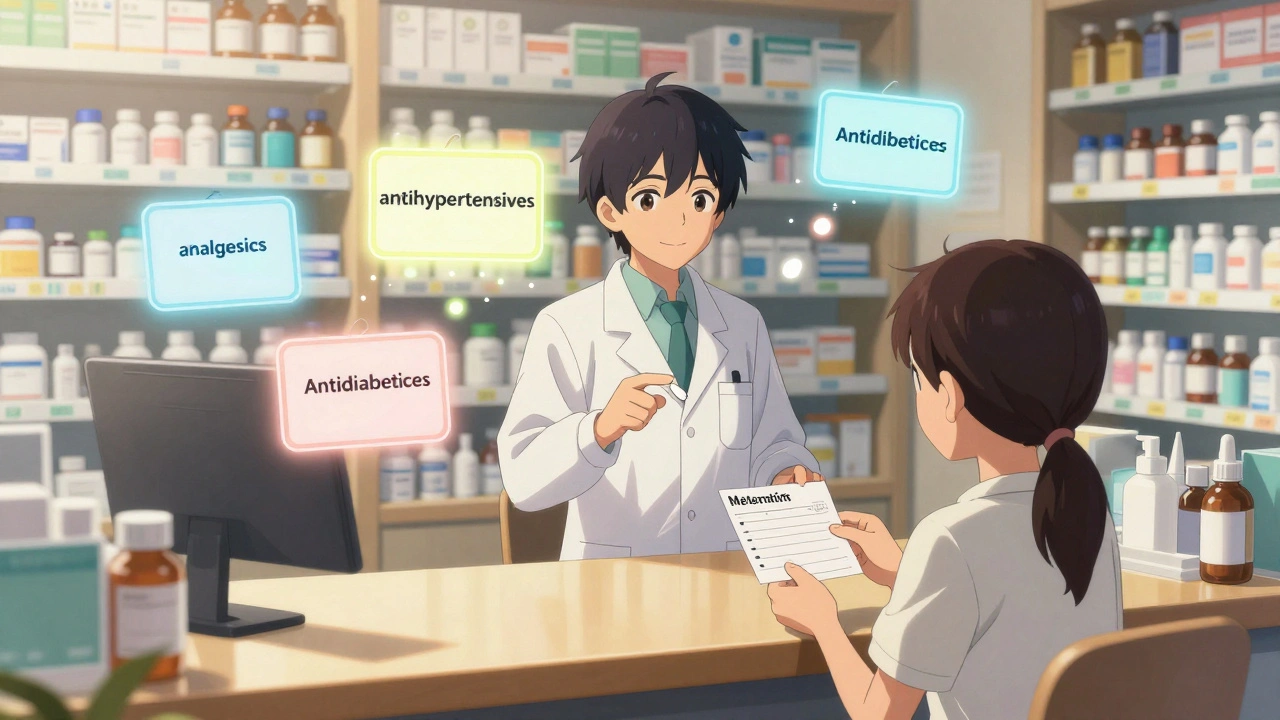
Understand how generic drugs are classified by therapeutic use, mechanism of action, legal schedule, insurance tier, and global standards. Learn why these systems matter for your prescriptions and costs.
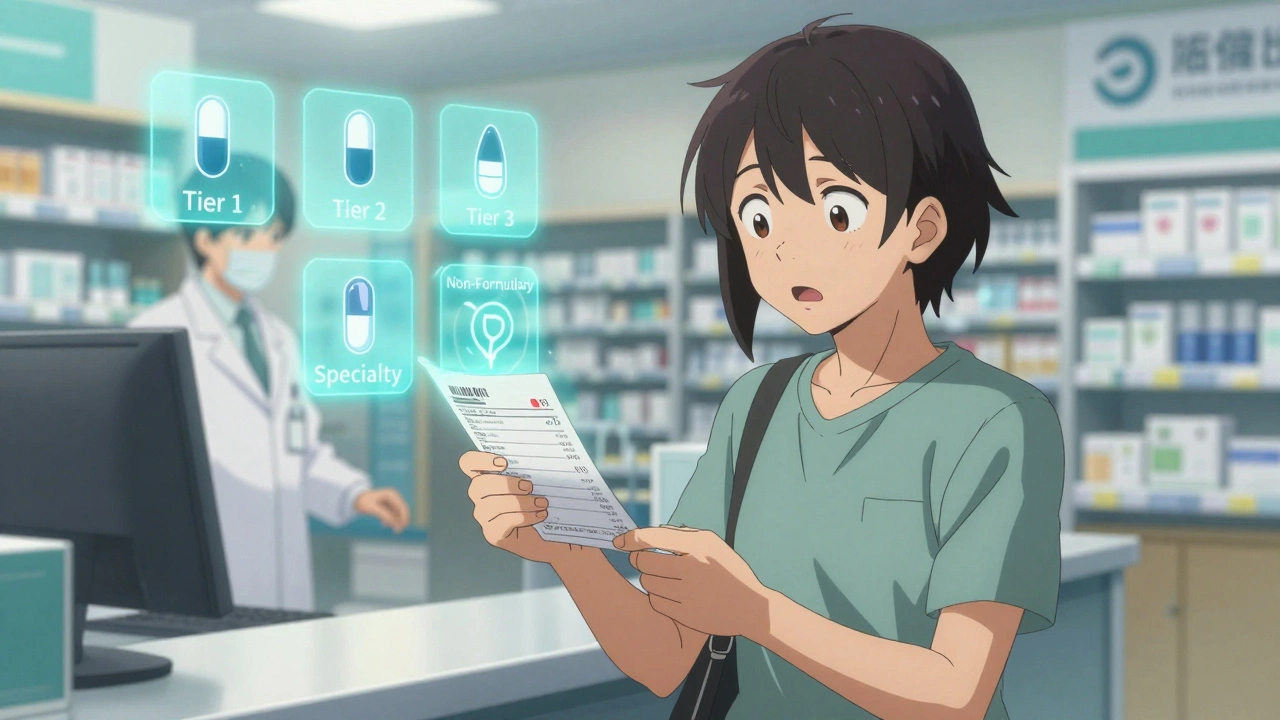
Understand how insurance formulary tiers work - Tier 1 to non-formulary - and how they affect your prescription costs. Learn what each tier means, why drugs move between them, and how to save money.