Accidental medication ingestions by children are a leading cause of pediatric poisonings. Learn proven, science-backed ways to lock up medicine safely at home, during travel, and around caregivers to prevent emergencies before they happen.
Learn safe, age-specific antihistamine dosing for children. Discover why second-generation options like Zyrtec and Claritin are safer than Benadryl, and what doses to use for infants, toddlers, and older kids.
St. John’s Wort may help with mild depression, but it can dangerously reduce the effectiveness of birth control, antidepressants, blood thinners, and transplant medications. Learn which drugs it interacts with and what safer alternatives exist.
Learn how brain MRI works, what common findings mean, and how doctors use different sequences like T1, T2, FLAIR, and DWI to diagnose strokes, MS, tumors, and other neurological conditions. Understand what’s normal and what needs action.
Cancer survivorship means managing long-term side effects and watching for recurrence after treatment ends. Learn what to expect, how to build a care plan, and how to work with your doctors to protect your health for life.
Bursitis and tendinitis are common causes of joint pain, especially after 40. Learn how to tell them apart, what treatments actually work, and how to prevent them from coming back.
Counterfeit pills disguised as prescription drugs often contain lethal doses of fentanyl. Learn how to spot them, test for fentanyl, recognize overdose signs, and stay safe. The only sure way to avoid death? Only use medications prescribed to you.
Shared decision-making in autoimmune care helps patients and doctors choose treatments that match both medical evidence and personal priorities. Learn how real numbers, decision tools, and patient values improve adherence and quality of life.
Maintaining consistent vitamin K intake is critical when taking warfarin. Learn which foods affect your blood thinning, how to track your intake, and why consistency matters more than restriction for stable INR levels.
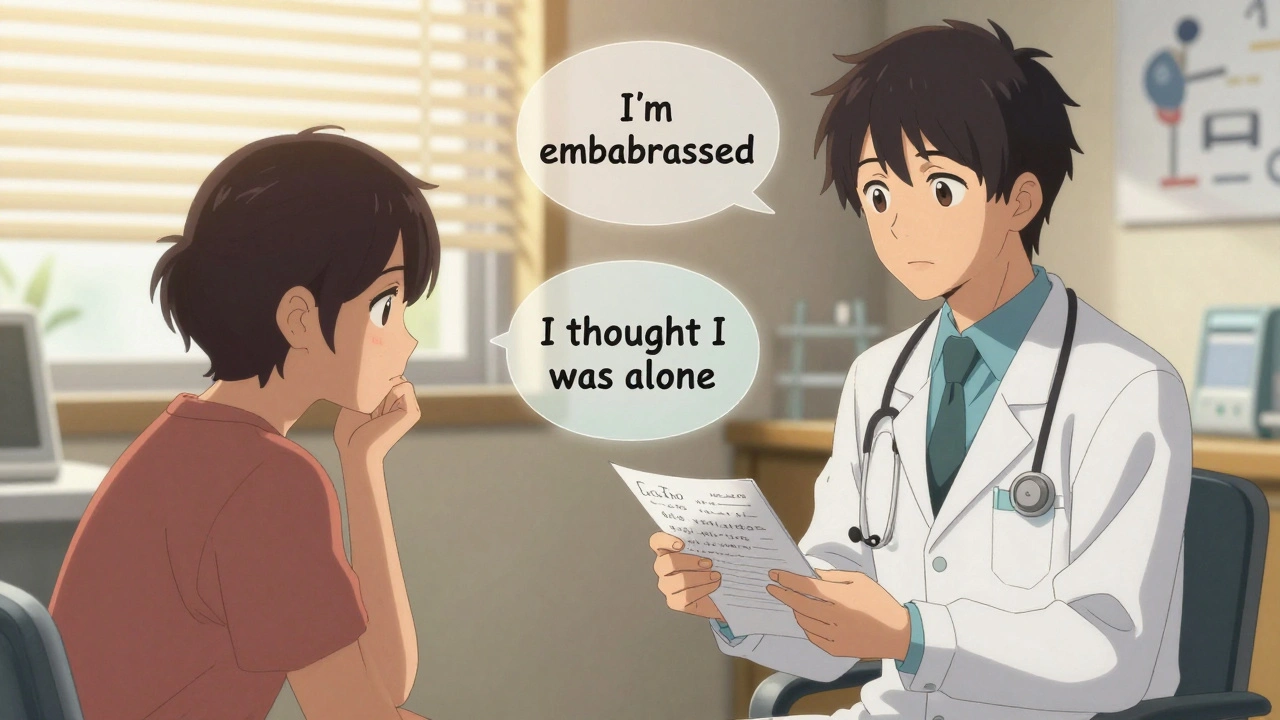
Learn how to talk openly with your doctor about missing doses, side effects, or cost issues so you can take your medications correctly and stay healthy. Real strategies that work.