If you’ve ever wondered how to buy a prescription without the hassle or what to do when a drug doesn’t work, you’re in the right place. This page pulls together the most useful tips from our articles so you can make quick, confident decisions about any medication.
The internet is full of pharmacies that look legit but sell fakes. Start by checking if the site requires a prescription – real pharmacies never skip this step. Look for a physical address and a licensed pharmacist you can contact. Our 2025 Clarithromycin guide shows exactly where to click, what red flags to spot, and how to compare prices without compromising safety.
Australian readers get a special shout‑out with the medixrx.com review. It explains why that site is trusted down under, how they protect your data, and which meds you can order without endless paperwork. The same rules apply worldwide: verify the pharmacy’s accreditation, read customer reviews, and avoid offers that sound too good to be true.
Quick checklist:
Follow these steps and you’ll keep your treatment safe, affordable, and legal.
Sometimes the drug you’re prescribed causes side effects or just doesn’t help. Instead of quitting cold‑turkey, check out proven alternatives that many readers have tried.
If Motilium (domperidone) isn’t cutting it for nausea, we’ve listed eight other options ranging from ginger tea to prescription swaps like metoclopramide. For joint pain, the meloxicam article breaks down six substitutes, highlighting which are easier on the stomach and which work best for chronic inflammation.
Got a thyroid pill that feels off? Our Synthroid alternatives roundup covers natural desiccated thyroid extracts and newer synthetic blends, so you can discuss real choices with your doctor. And if hair loss makes you nervous, the Propecia alternatives guide points to minoxidil, low‑level laser therapy, and even dietary tweaks.
Even lifestyle meds matter. The omeprazole piece explains how acid reducers might sap energy during workouts and offers timing tricks to keep your fitness routine on track.
Each alternative article gives you pros, cons, and practical tips – no vague jargon, just clear info you can act on today.
Bottom line: you don’t have to stay stuck with a single drug. Use our guides to explore safe buys and smart switches, then talk to your healthcare provider armed with facts.
Ready to dive deeper? Browse the list of posts below – each one is written in plain language, packed with actionable steps, and updated for 2024‑2025 trends. Your health journey starts here, and we’ve got your back every step of the way.
A clear safety guide comparing acetaminophen and ibuprofen for children. Learn proper dosing rules based on weight, side effect profiles, and when to call a doctor for fevers.
Understand the key differences between NSAIDs, acetaminophen, and antihistamines. Learn safe dosing limits, side effects, and how to choose the right medicine for your symptoms.
Learn how bupropion works for smoking cessation and identify critical drug interactions. Discover safety protocols, side effect management, and alternatives for a successful quit plan.
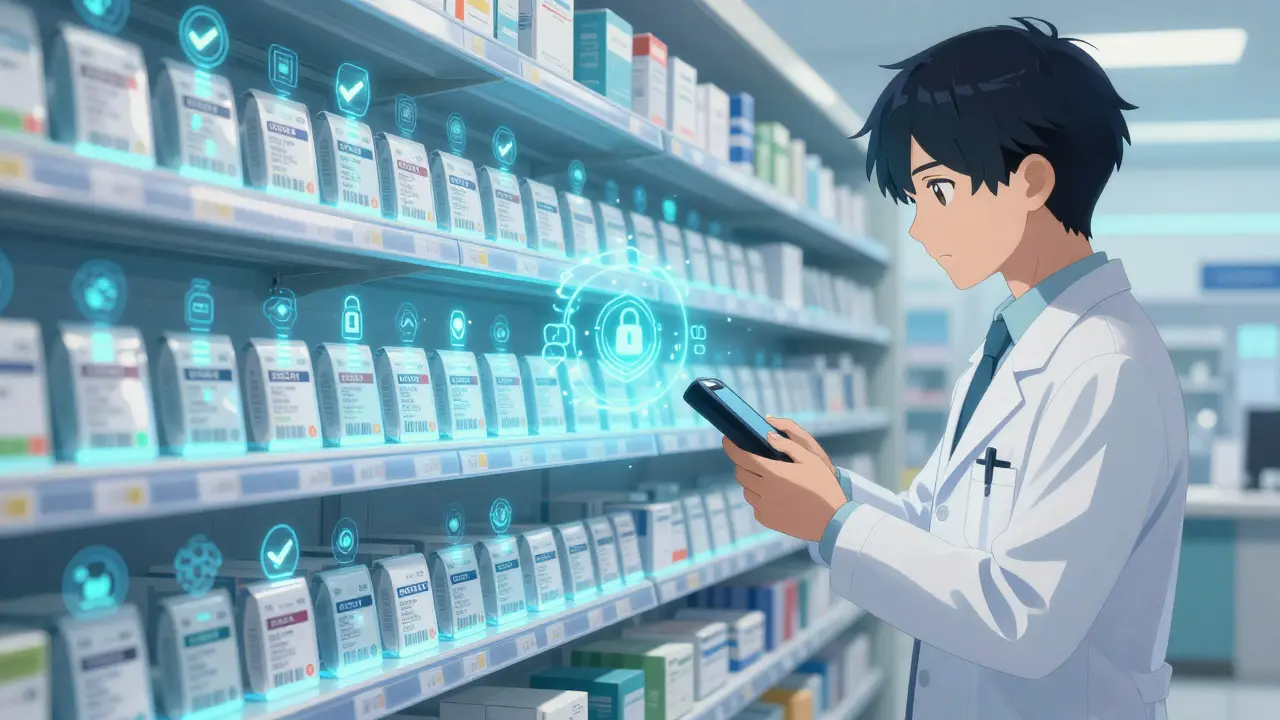
Legitimate drug procurement standards ensure pharmacies source safe, traceable medications by following DSCSA rules, verifying suppliers, and using digital tracking. Counterfeit drugs remain a serious threat - and compliance isn’t optional.
Efficiency in generic drug distribution isn't about cutting costs - it's about preventing shortages. Learn how AI, inventory math, and supply chain design keep life-saving medications on pharmacy shelves.
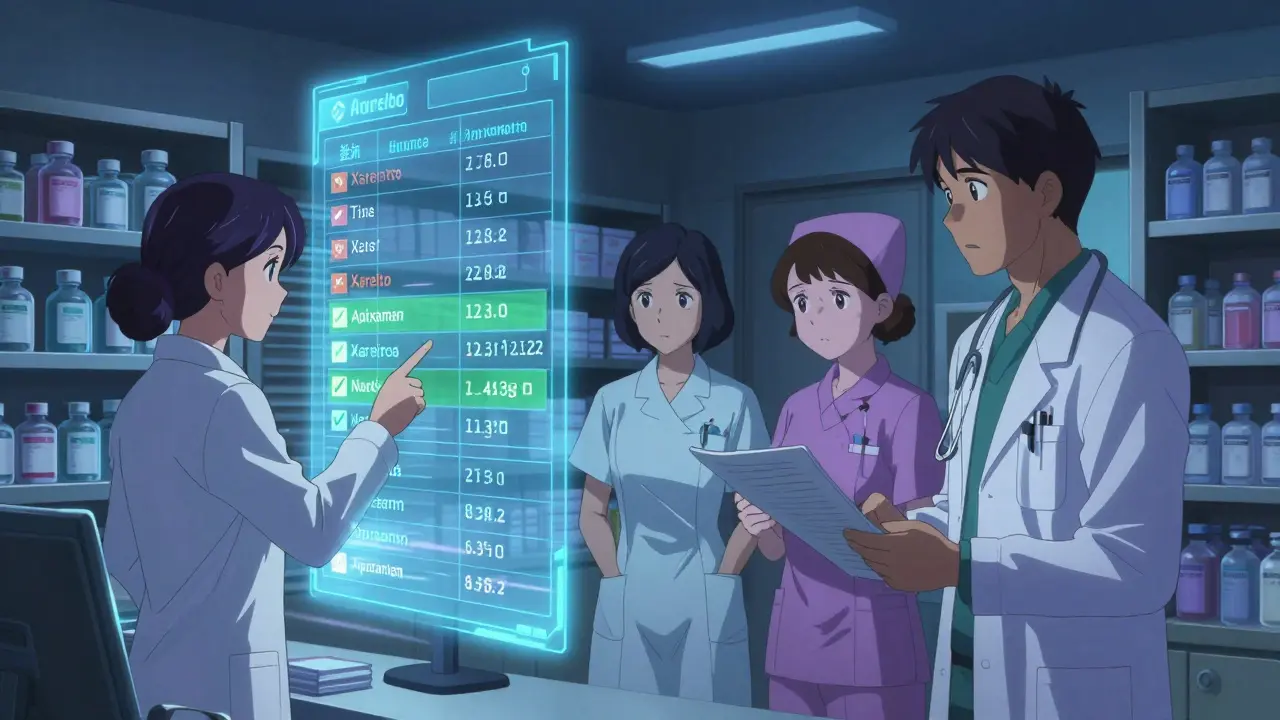
Institutional formularies are evidence-based drug lists used by hospitals and clinics to guide prescribing and allow safe therapeutic substitutions. They improve safety, reduce errors, and control costs - but require clear communication and strict oversight.
Insulin stacking happens when you give another insulin dose too soon, causing too much insulin to build up in your body and leading to dangerous low blood sugar. Learn how to prevent it with proper timing, tracking, and technology.
Buying counterfeit meds online can be deadly. Fake pills laced with fentanyl, missing ingredients, or wrong dosages are killing people. Learn how to spot illegal pharmacies and protect yourself.
Generic drug quality issues stem from manufacturing flaws in overseas plants, leading to contaminated, ineffective, or unsafe medications. FDA inspections are insufficient, data falsification is common, and patients are at risk - especially with high-risk drugs.
Avoid dangerous double ingredients when taking multiple medications. Learn how common OTC drugs like Tylenol and cold remedies can cause overdose when mixed with prescriptions - and how to protect yourself.