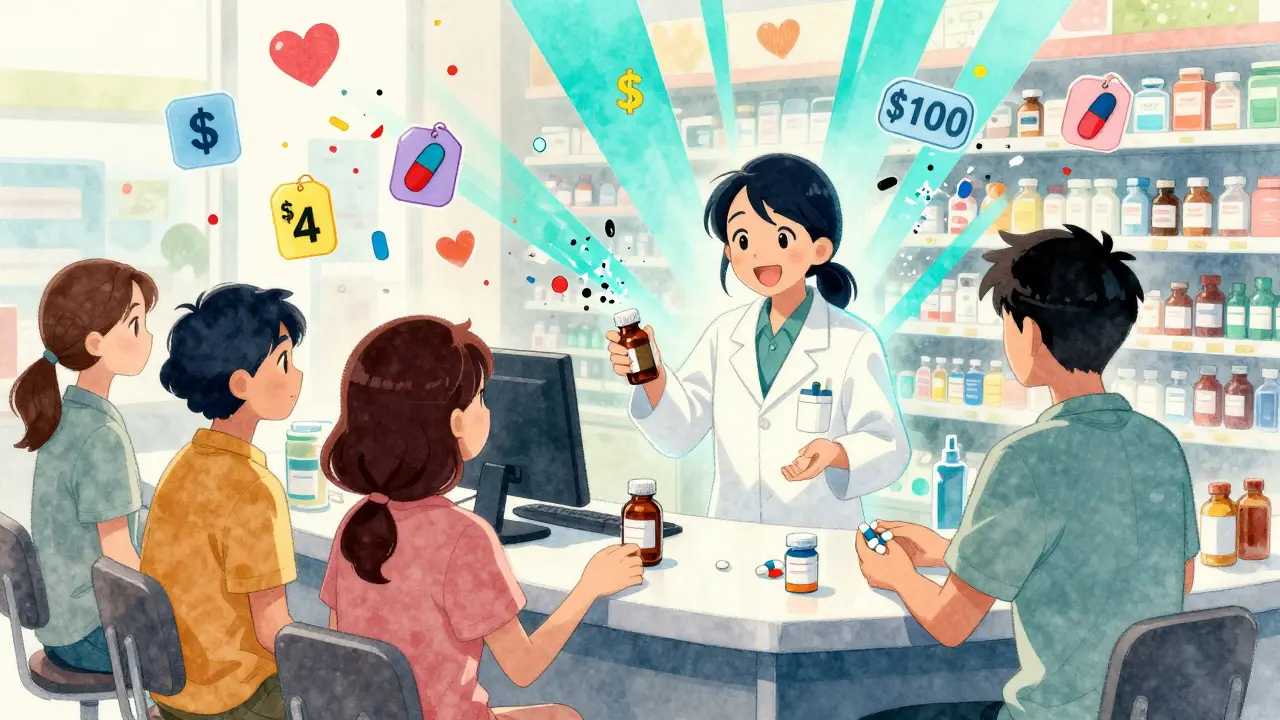
Generic and biosimilar medications saved $467 billion in the U.S. healthcare system in 2024 alone, with $3.4 trillion saved over the past decade. These drugs make up 90% of prescriptions but only 12% of spending, proving they're the most powerful tool for cutting drug costs.
Acetaminophen is safe when used correctly, but accidental overdose can cause severe liver damage. Learn the hidden risks, how to avoid taking too much, and what to do if you suspect an overdose.
Generic prescribing saves billions, reduces errors, and improves patient adherence. Learn when to prescribe generics, when to avoid them, and how to explain the switch to patients with confidence.
Generics make up 90% of U.S. prescriptions but only 12% of drug spending, saving $445 billion in 2023. Learn how they cut costs, why some drugs still cost too much, and what you can do to save.
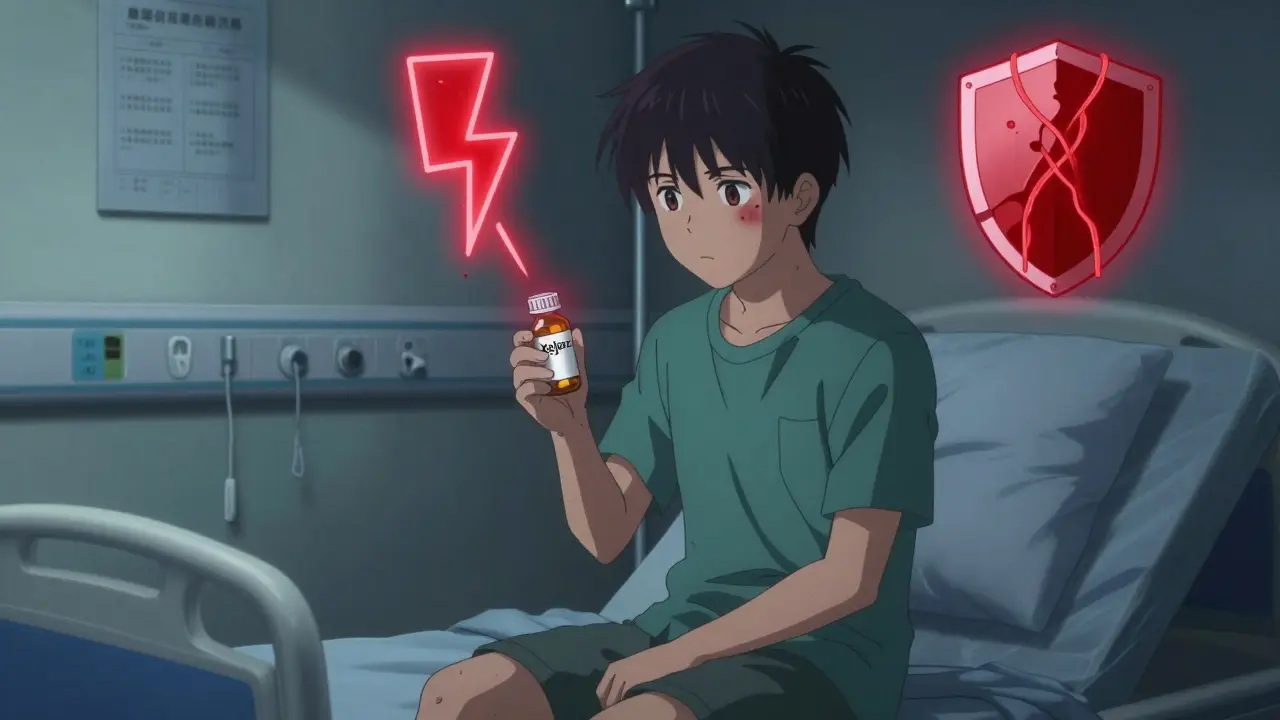
JAK inhibitors help control autoimmune diseases but carry serious risks of infection and blood clots. Learn who should avoid them, how to monitor for side effects, and what alternatives exist.
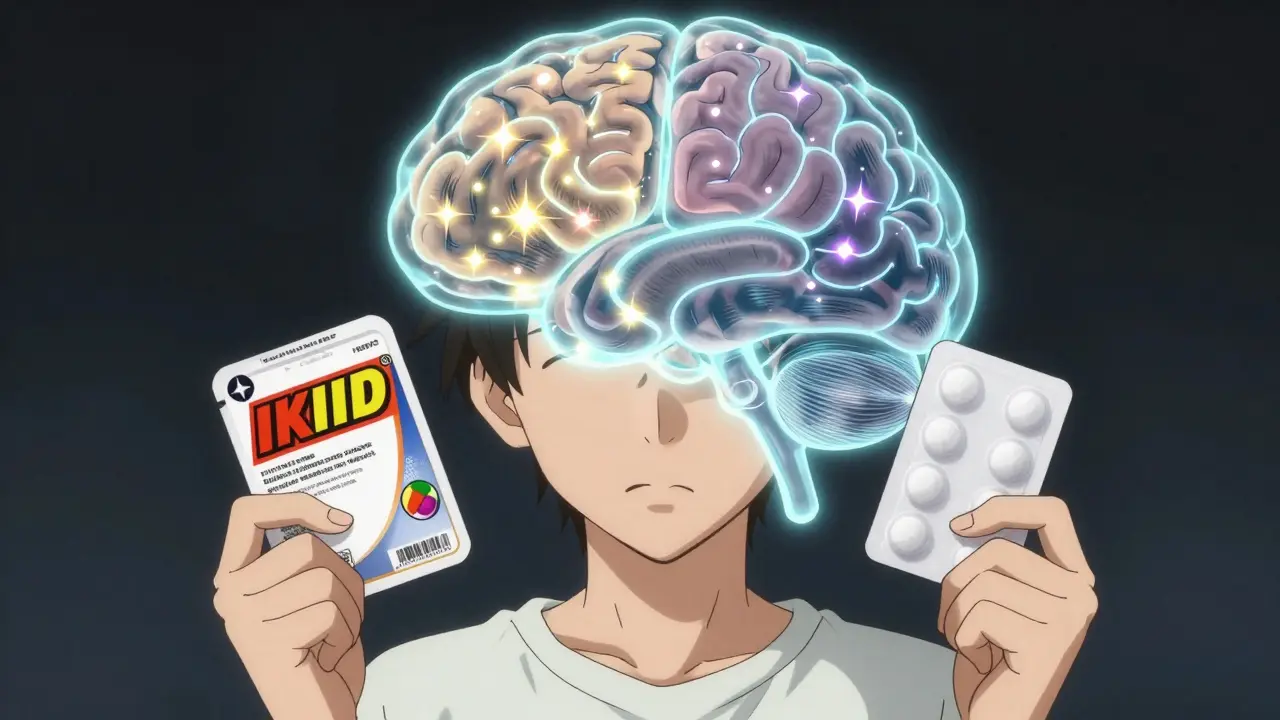
Why do some people feel generic medications don't work? It's not the drug-it's their brain. Perception, branding, and price shape how effective a pill feels, even when the chemistry is identical. Learn how the placebo effect impacts real health outcomes.
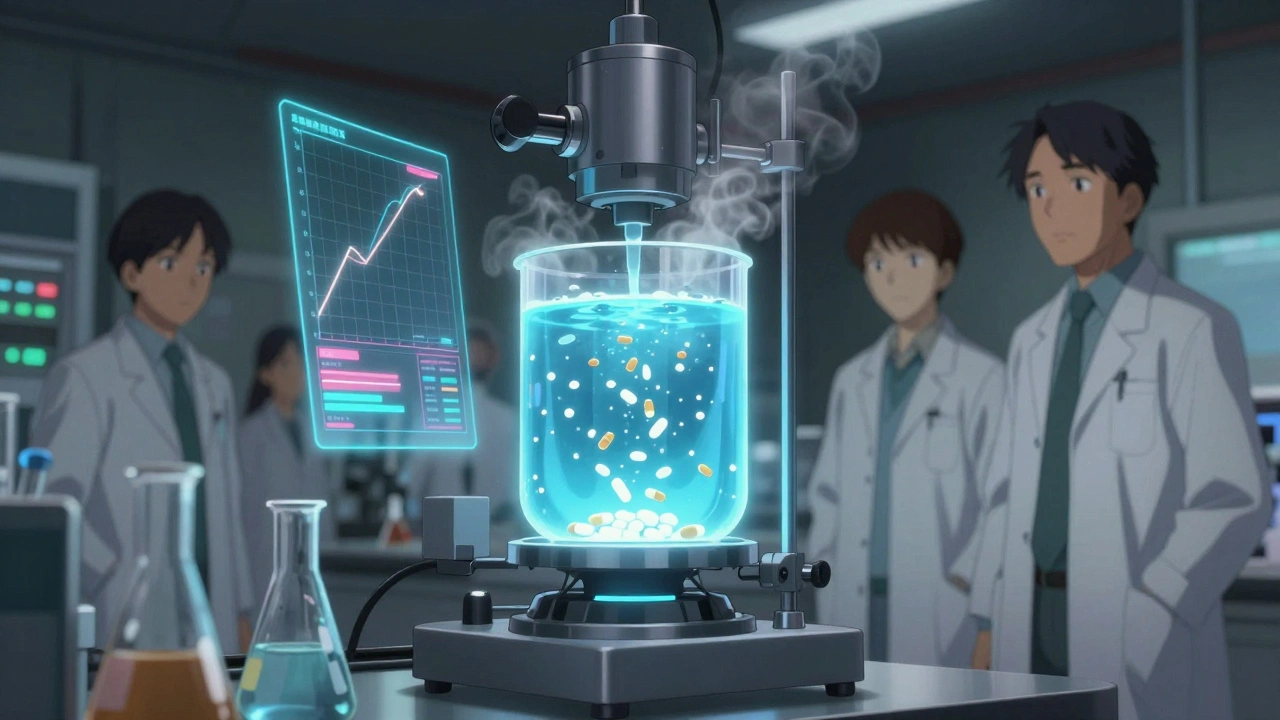
Dissolution testing is how the FDA ensures generic drugs work like brand-name versions without costly human trials. It measures drug release in the lab, using strict standards to guarantee safety and effectiveness.
Pharmacogenomics uses your DNA to predict how you'll respond to medications, helping avoid dangerous side effects and ineffective treatments. Learn how genetic testing is making drugs safer and more personalized.
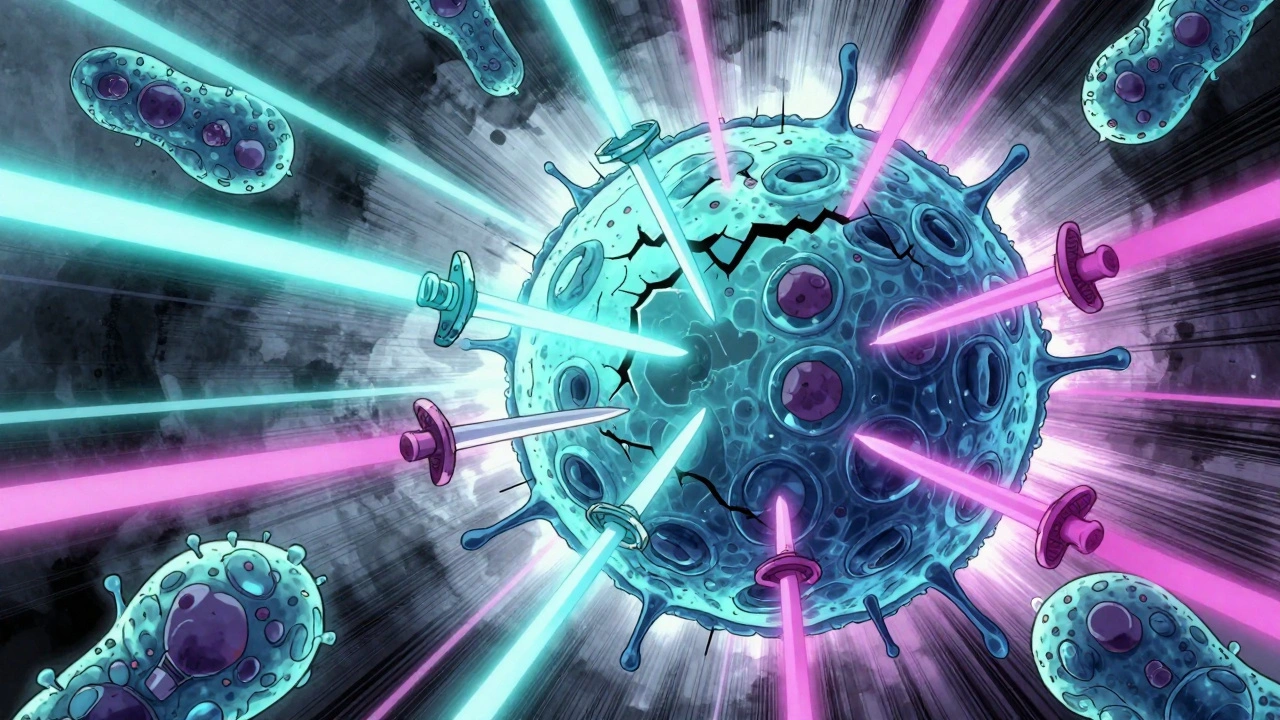
Learn how different classes of antibiotics work against bacterial infections, from penicillins to fluoroquinolones, and why choosing the right one matters in the age of antibiotic resistance.
Generic drugs are affordable and widely used, but contamination risks are rising due to global supply chains and cost-cutting. Learn how contamination happens, who’s most at risk, and what patients and providers can do to stay safe.