Learn the real risks of drinking alcohol with diabetes, how to prevent life-threatening low blood sugar, and which drinks are safest. Follow evidence-based guidelines to drink safely without compromising your health.
Anticoagulants save more lives than they risk in seniors with atrial fibrillation. Despite fears about falls, stroke prevention benefits far outweigh bleeding risks-especially with modern blood thinners like apixaban and rivaroxaban.
A low-sodium diet and proper fluid balance are proven ways to reduce vertigo, hearing loss, and tinnitus in Meniere’s disease. Learn how to eat right, avoid hidden salt, and stay hydrated for real symptom relief.
Fluoxetine (Prozac) can cause anxiety and insomnia when first taken due to its activating properties. Learn how timing, dose, and lifestyle changes can reduce side effects and improve sleep. Most people adjust within 4-8 weeks.
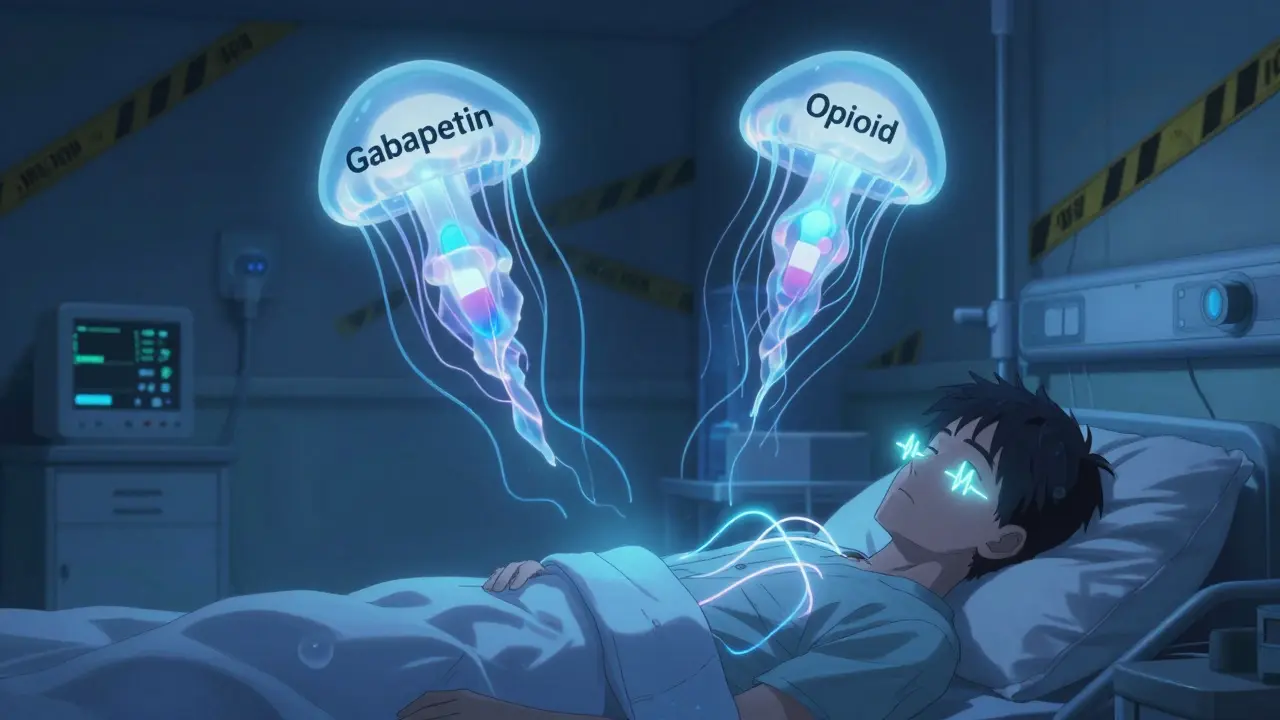
Combining gabapentinoids with opioids can silently suppress breathing, especially in older adults and those with lung conditions. Learn why this common pain combo is now considered dangerous and what to do if you're taking both.
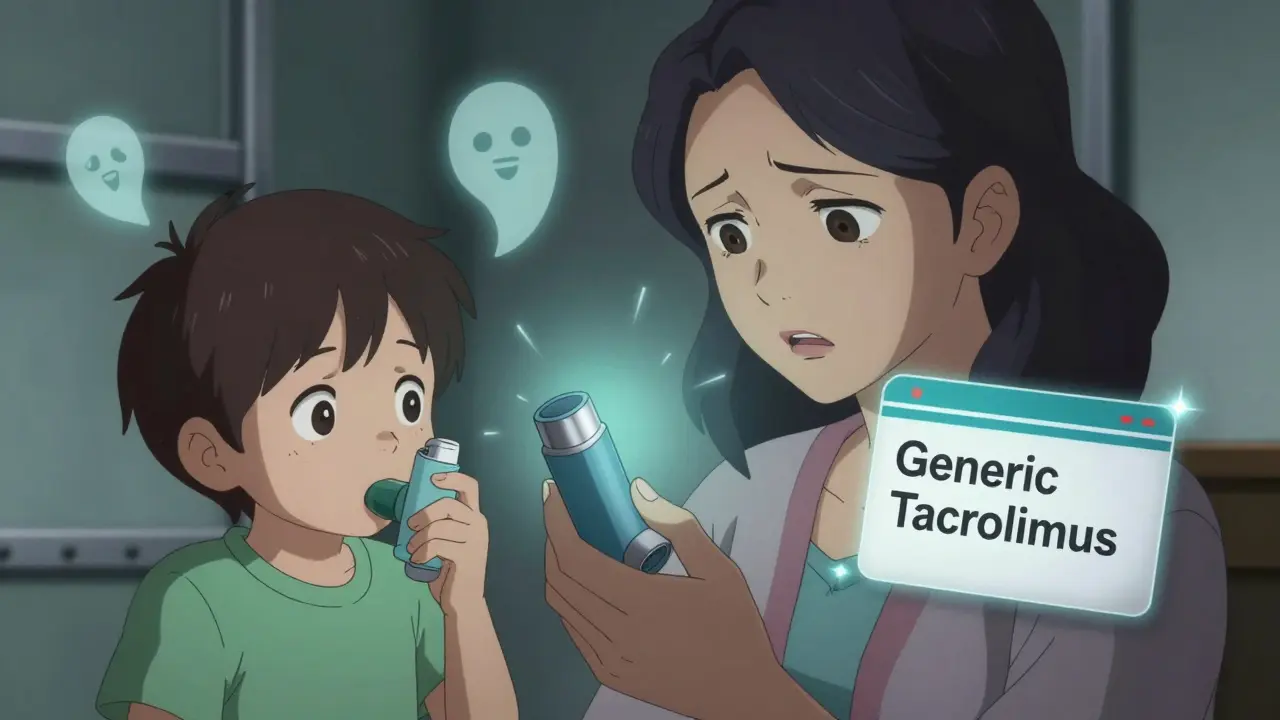
Switching children to generic medications can seem harmless, but for kids on chronic or high-risk drugs, even small changes can lead to serious health risks. Learn why generics aren't always safe for children and what parents can do to protect their child's treatment.
Boxed warnings are the FDA's strongest safety alerts for prescription drugs. Learn how these warnings are added, updated, and tracked over time-and why staying informed can save lives.
Mixing alcohol with prescription drugs can cause dangerous, even deadly, interactions. Learn which medications are most risky, why doctors often don't warn you, and how to protect yourself.
Learn the latest safety guidelines for dental procedures while on blood thinners. Discover why stopping medication is often dangerous, how bleeding is controlled, and what you should do before and after your appointment.
Biologic patent protection in the U.S. gives drugmakers 12 years of exclusivity before biosimilars can enter, with complex legal barriers delaying competition. Learn how patent thickets, high development costs, and regulatory hurdles keep prices high and patients waiting.