Prior authorization is a common but confusing insurance requirement for certain medications. Learn how it works, which drugs require it, how to navigate the process, and what to do if it's denied.
Many medications cause unexpected weight gain or loss. Learn which drugs are most likely to affect your weight, why it happens, and how to manage it without stopping your treatment.
When a medication is recalled, don't panic or stop taking it. Learn the exact steps to take - check your lot number, call your pharmacy, and never discontinue without medical advice. Your safety depends on knowing what to do next.
When antihistamines fail, chronic spontaneous urticaria patients need better options. Learn how omalizumab, remibrutinib, and dupilumab are changing treatment - and why personalized care is the future.
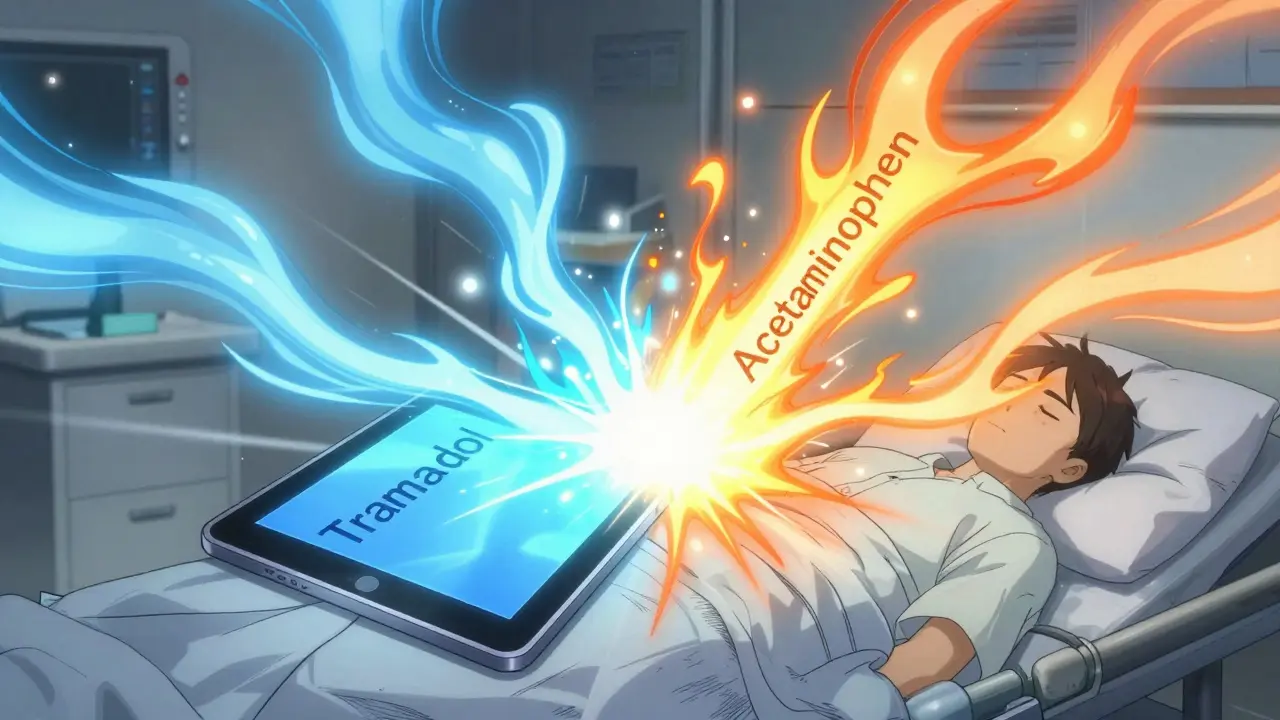
Generic fixed-dose pain combinations like tramadol/diclofenac and acetaminophen/ibuprofen offer stronger relief than single drugs. Learn which combos are available, how they work, who should avoid them, and how to use them safely.
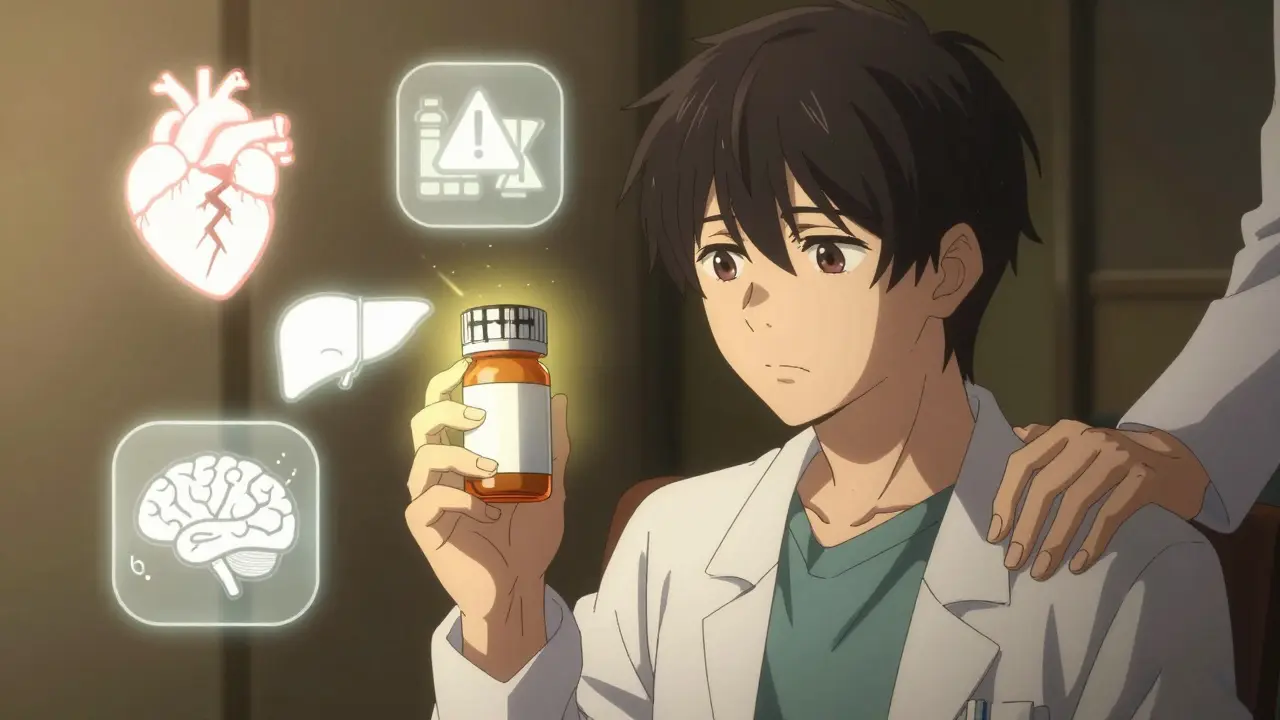
FDA boxed warnings (black box warnings) alert patients to serious, potentially life-threatening risks of certain medications. This guide explains what they mean, how to respond, and what steps to take to stay safe while using high-risk drugs.
Pioglitazone (ACTOS) is a diabetes drug with serious risks like heart failure, swelling, and bladder cancer. Learn how to monitor symptoms and safer alternatives.
Anticoagulants save more lives than they risk in seniors with atrial fibrillation. Despite fears about falls, stroke prevention benefits far outweigh bleeding risks-especially with modern blood thinners like apixaban and rivaroxaban.
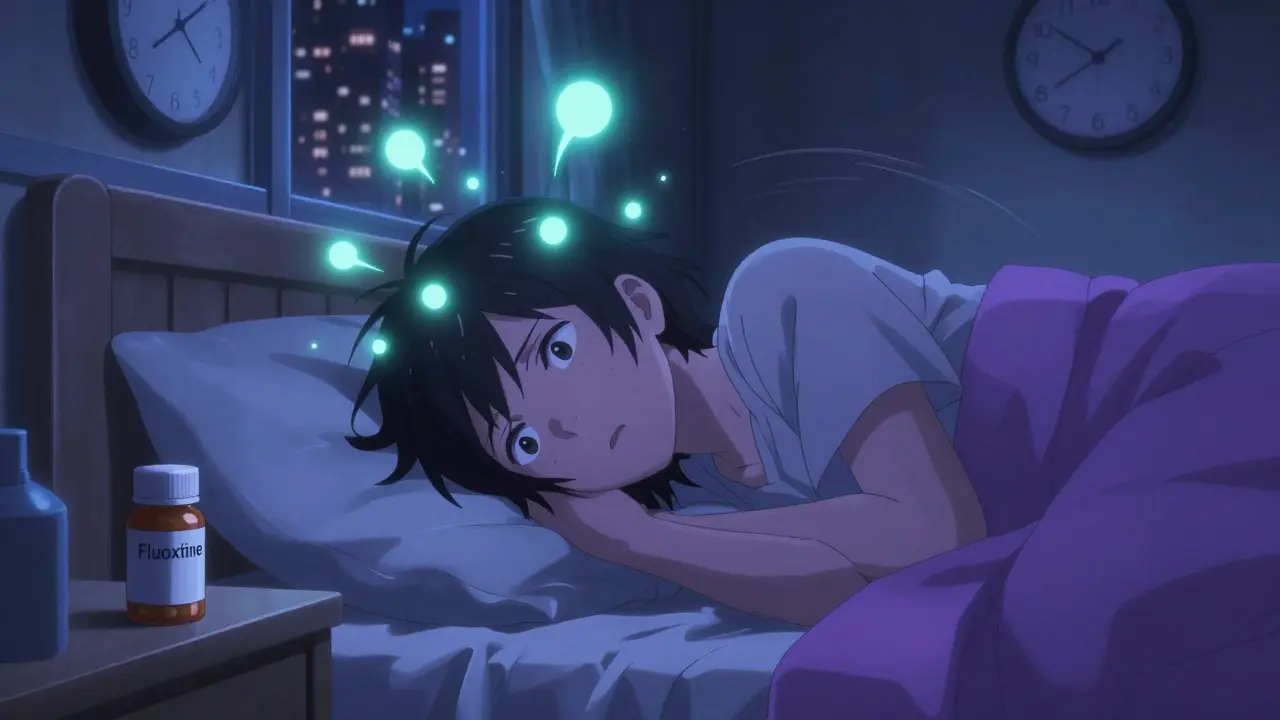
Fluoxetine (Prozac) can cause anxiety and insomnia when first taken due to its activating properties. Learn how timing, dose, and lifestyle changes can reduce side effects and improve sleep. Most people adjust within 4-8 weeks.
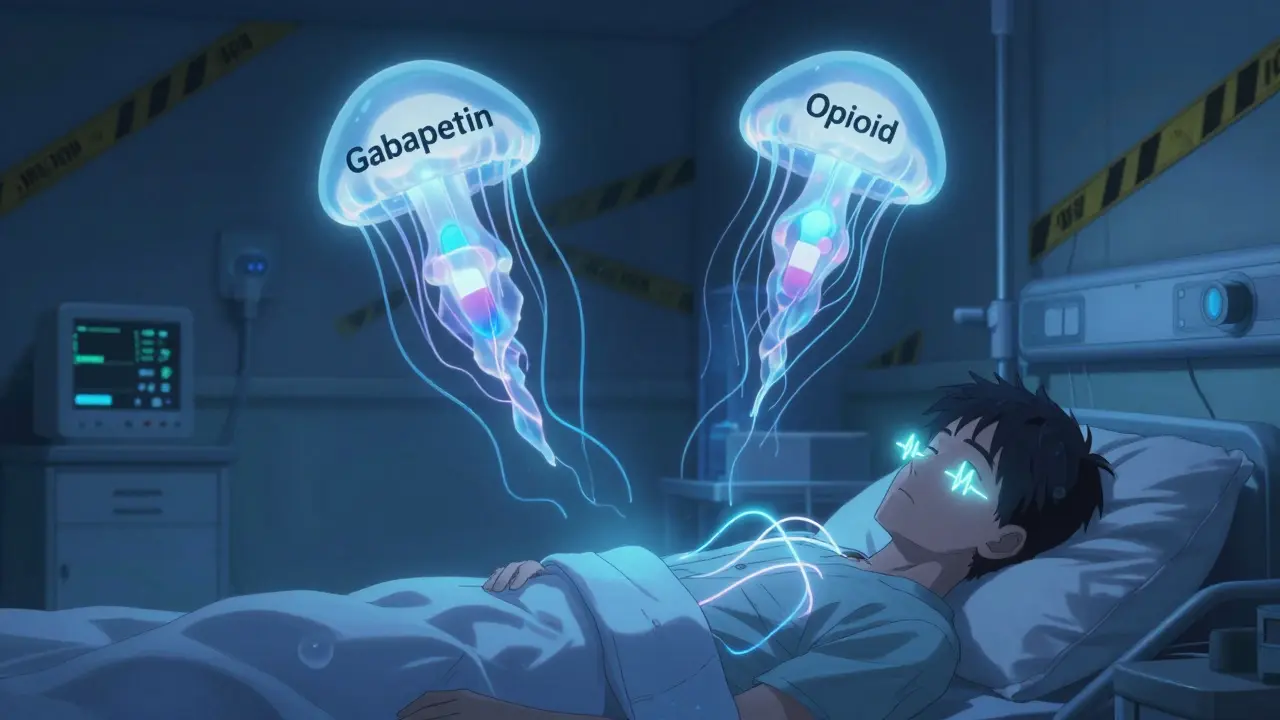
Combining gabapentinoids with opioids can silently suppress breathing, especially in older adults and those with lung conditions. Learn why this common pain combo is now considered dangerous and what to do if you're taking both.